


 0812 46 37 27




Do you have any questions? Malabar spinach is incompatible with what? and should I eat Malabar spinach? Malabar spinach is a vegetable rich in vitamins and minerals, helps to cool the body, laxative and supplement iron. However, if combined incorrectly or eaten too much, Malabar spinach can be harmful to health. The following article will explain clearly why Malabar spinach is incompatible with what?, who should abstain and the benefits of eating properly, helping you use Malabar spinach safely and effectively for daily meals.
What is Malabar spinach incompatible with?
Malabar spinach is a familiar vegetable, rich in vitamins, minerals and fiber, bringing many health benefits. However, if combined incorrectly, some foods can reduce the effects of Malabar spinach or cause discomfort to the body. Below are food groups that you should pay attention to when eating with Malabar spinach:
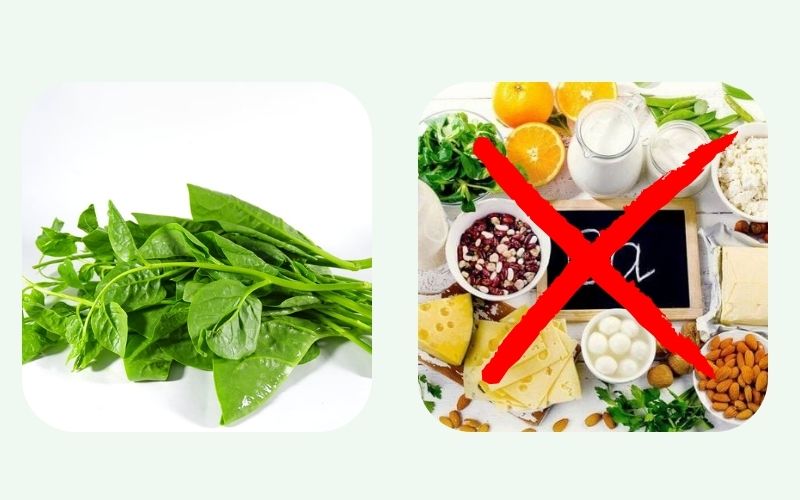
Foods rich in calcium
Calcium-rich foods such as milk, cheese, and seafood contain a lot of calcium, when combined with Malabar spinach, it can cause a reaction to form calcium oxalate salt. This reduces calcium absorption and increases the risk of kidney stones if eaten in large quantities for a long time. Therefore, Malabar spinach should not be cooked with calcium-rich foods or eaten together in the same meal.
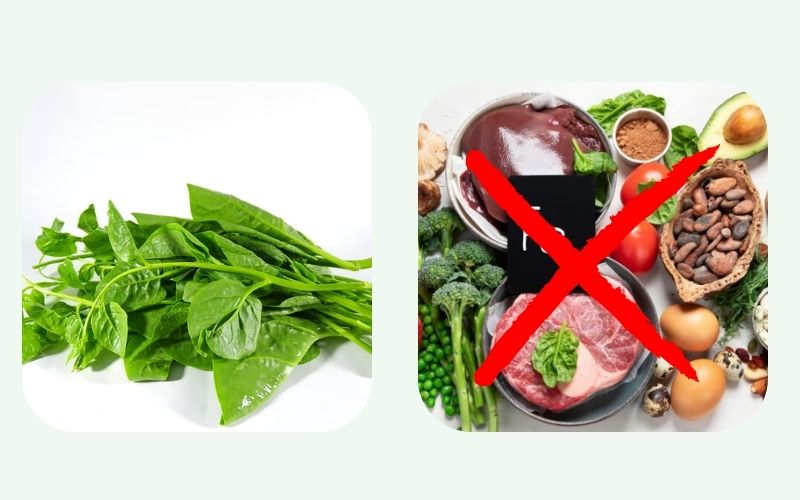
Foods rich in iron
Malabar spinach also contains iron, but when combined with other iron-rich foods such as liver, red meat, egg yolks, etc., it can increase the amount of oxalate in the body, hindering iron absorption. People with anemia or digestive problems should consider eating Malabar spinach separately or away from iron-rich foods.
Acidic foods
Foods containing strong acids such as lemon, vinegar, and citrus can react with the oxalate in Malabar spinach, causing some of the nutrients to be lost vitamin C and some important minerals. In addition, this combination sometimes causes indigestion or stomach upset, especially in people who are sensitive or have a history of stomach ulcers.

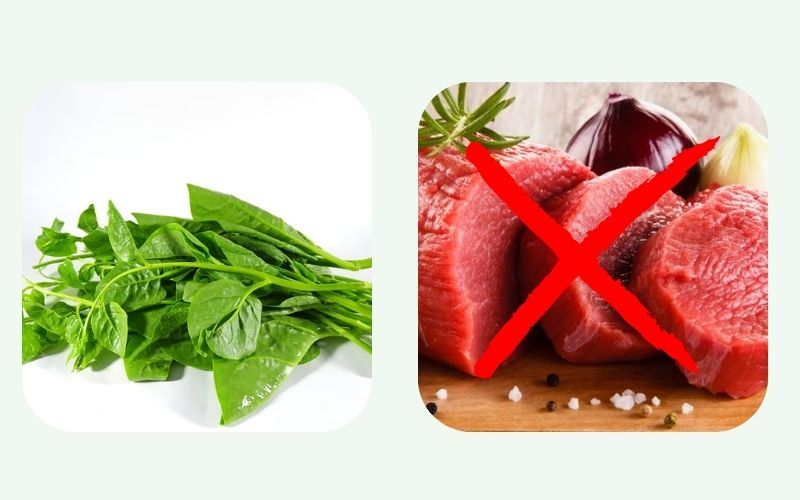
Beef
Although beef is rich in protein and iron, when cooked with Malabar spinach, some studies show that the protein in beef combined with oxalate can reduce the ability to absorb iron and calcium from vegetables. This means that malabar spinach soup cooked with beef should not be eaten too often, especially for those with sensitive digestive systems or who want to increase mineral absorption from vegetables.
Who should not eat Malabar spinach?
Malabar spinach is a refreshing vegetable, rich in fiber, vitamins and minerals, bringing many health benefits. However, not everyone should eat this vegetable regularly. For people with specific constitutions or diseases, improper use of Malabar spinach can cause harm. Below are groups of people who should consider or abstain from eating Malabar spinach:
People with kidney stones
Malabar spinach contains oxalate, a compound that can combine with calcium to form kidney stones. People who have had kidney stones or are at high risk of developing them should limit their consumption of Malabar spinach, especially if they eat it regularly or cook it with foods rich in calcium. This helps reduce the risk of new stones forming and protects kidney function.

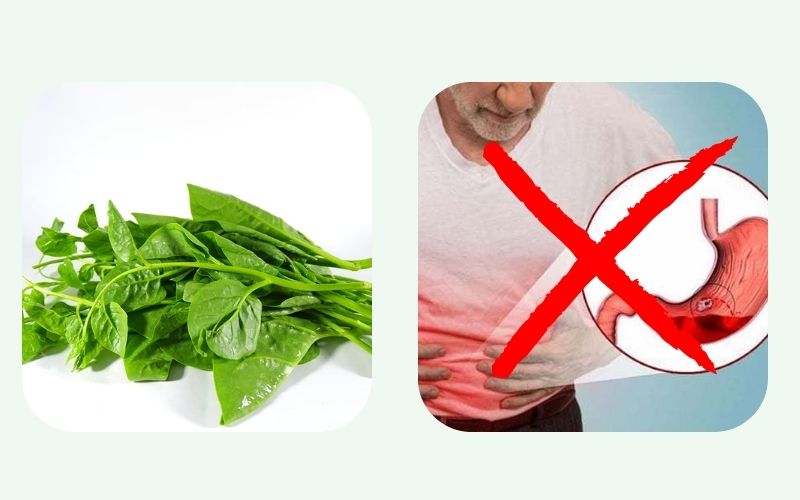
People with stomach pain
For people with stomach ulcers or chronic stomach pain, eating too much Malabar spinach can cause bloating, indigestion or stomach irritation. The oxalate and mucilage levels in the vegetable when combined with stomach acid sometimes increase the feeling of discomfort, so it should be eaten in moderation and processed thoroughly before use.
Cold body people
According to traditional medicine, Malabar spinach is cold in nature and has the effect of clearing heat and laxative. People with a cold body, cold stomach, diarrhea, cold hands and feet should limit eating Malabar spinach to avoid making the cold stomach condition worse.

People with poor digestion
Malabar spinach contains a lot of mucus and fiber. If digestion is poor or the digestive system is weak, eating too much can cause bloating, flatulence or indigestion. Eat in moderation and cook thoroughly to reduce the impact on the stomach and intestines.

People with gout
People with gout need to avoid foods rich in purines, and Malabar spinach also contains a certain amount of purines. Eating a lot of Malabar spinach can increase uric acid in the blood, causing gout flare-ups. Therefore, this group should limit or consult a doctor before eating.

People with kidney disease
People with chronic kidney disease or kidney failure need to control their oxalate intake and time in the diet. Malabar spinach contains both of these compounds, so eating too much of the vegetable can put pressure on the kidneys, making the disease worse.

Notes when eating Malabar spinach
Malabar spinach is a nutritious and easy-to-prepare vegetable, but to ensure safety and maximize health benefits, you need to keep in mind some important points when using it. Here are some things to remember:
Do not eat raw Malabar spinach
Malabar spinach contains mucus and a certain amount of oxalate, which is difficult for the body to absorb if eaten raw and can cause indigestion or stomach irritation. In addition, eating raw vegetables carries the risk of bacterial or parasitic contamination from the soil and water. It is best to wash and cook before eating to ensure safety and enhance the flavor of the dish.
Do not eat too much Malabar spinach
Eating too much Malabar spinach, especially in a short period of time, can cause some health problems such as bloating, indigestion, or increase the risk of kidney stones due to oxalate. People with sensitive constitutions or kidney or digestive diseases should eat in moderation, combining a variety of other vegetables to balance nutrition.
Do not eat overnight spinach.
Malabar spinach, after cooking, left overnight, can easily spoil, causing bacteria to cause food poisoning and losing most of its vitamins and minerals. If cooked in large quantities, it should be stored in the refrigerator for a maximum of 1 day and reheated thoroughly before eating. Absolutely do not eat vegetables that have been left out for a long time or left at room temperature for too long.
Benefits of Malabar spinach
Malabar spinach brings many health benefits thanks to its rich nutritional content such as vitamin A, vitamin C, folic acid, calcium, magic and iron.
- Cooling, diuretic and detoxifying: According to Oriental medicine, Malabar spinach has a cold, sour taste that helps dissipate heat, is diuretic and purifies the body, very suitable to eat in hot weather.
- Aids digestion and bowel movements: The natural mucus in Malabar spinach leaves helps lubricate the intestines, making bowel movements easier and reducing constipation.
- Antioxidant, immune boosting: Vitamin C and beta-carotene (a precursor of vitamin A) in Malabar spinach helps eliminate free radicals, improve the immune system and anti-aging.
- Good for bones and blood: With a reasonable amount of calcium and iron, Malabar spinach helps support bone health, prevent osteoporosis and gently replenish blood.
- Support blood sugar control: According to research, Malabar spinach is rich in fiber but low sugar, suitable for diabetics because it helps regulate sugar absorption and stabilize blood sugar.
- Beautify skin, reduce acne: Thanks to its detoxifying properties and antioxidants Malabar spinach is used to cool the liver, support healthy skin, reduce acne and prickly heat.

Kamereo – Supplier of fresh, delicious Malabar spinach at good prices for F&B businesses
To prepare standard malabar spinach soup dishes and ensure food safety, F&B businesses not only need to know what malabar spinach is incompatible with, but more importantly, they need to have a source of fresh, clean, and stable ingredients every day. Kamereo offers a solution to supply standard malabar spinach, harvested on the same day and properly refrigerated before delivering to the business’s kitchen.
Fresh and delicious Malabar spinach at good prices at Kamereo:
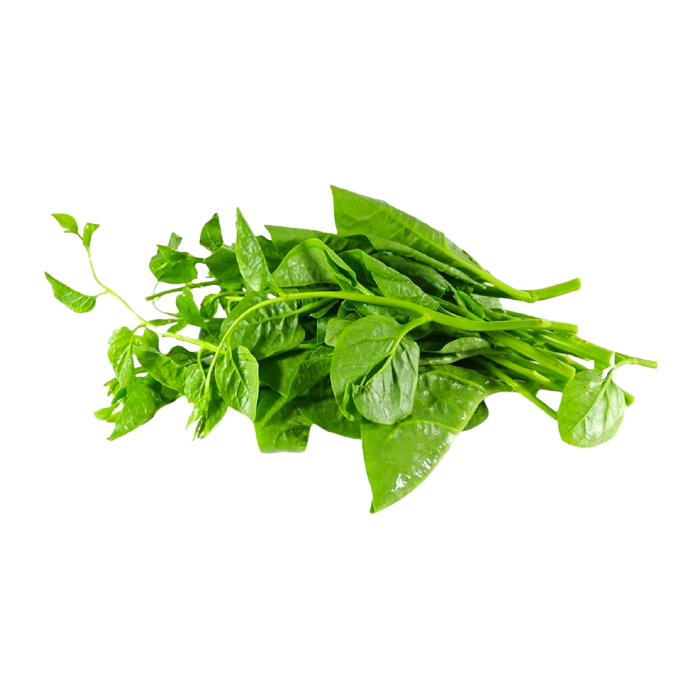
Ceylon Spinach South
43,000đ/KILOGRAM
52,300đ/KILOGRAM
With price transparency and a constantly updated product catalog on the application, Kamereo helps restaurants, eateries, and industrial kitchens easily track the price of Malabar spinach, order quickly, and control costs effectively. The entire process from selecting goods, quality control, to transportation is standardized, helping businesses feel secure when using it in dishes such as Malabar spinach soup with shrimp, Malabar spinach soup with squash, or Malabar spinach soup with crab.
Kamereo not only provides Malabar spinach, but also owns a comprehensive food supply ecosystem with more than 3,000 products. Businesses can order many types of vegetables, seafood, fresh meat or beverage ingredients at the same time without having to work with many different sources.
Thanks to a modern cold storage system, a 99%+ on-time delivery team and an order processing process until 12am, Kamereo ensures that the kitchen always has enough ingredients to serve customers on time, without interrupting business operations. This is the reason why Kamereo has become a trusted choice for more than 4,000 F&B businesses that want to optimize costs and standardize daily raw material operations.

Summary
What is Malabar spinach incompatible with? and who should abstain has been explained in detail in the article. Malabar spinach is a nutritious vegetable, helps to cool the body, laxative and supplement vitamins and minerals, but is not suitable for people with kidney stones, stomach pain, cold body or poor digestion. When eating, be careful not to eat raw, do not eat too much and avoid leaving it overnight. Choosing fresh, safe vegetables from reputable suppliers such as Kamereo will help maximize the benefits of Malabar spinach for health and family meals.
See also: