


 0812 46 37 27




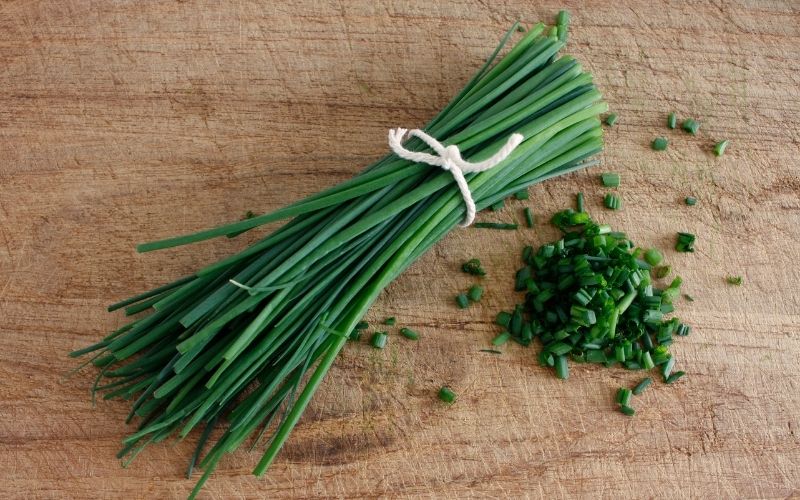
Chives are a soft vegetable with a distinctive aroma and a mildly pungent taste and are often used in stir-fries, steamed dishes or soups. Not only are chives a familiar ingredient in Vietnamese cuisine, they are also known for their many health benefits. However, not everyone knows what chives are incompatible with and who should not eat chives to avoid harming the body. Let’s find out the details in the article below with Kamereo to use this vegetable correctly and safely!
What are chives incompatible with?
Despite its many health benefits, chives should not be combined with certain foods because they can cause adverse reactions in digestion or reduce nutritional value. According to nutritionists, chives are incompatible with green onions, onions, yogurt, white wine, pumpkin, beef, buffalo meat and honey.
Spring onion
Chives and green onions are both members of the onion family, which are spicy, warm, and contain high levels of sulfur essential oils. When these two vegetables are combined, the sulfur compounds easily react, reducing their nutritional value and causing heat in the body, indigestion, and even stomach irritation for people with weak digestive systems. Therefore, chives and green onions should not be cooked together in the same dish.
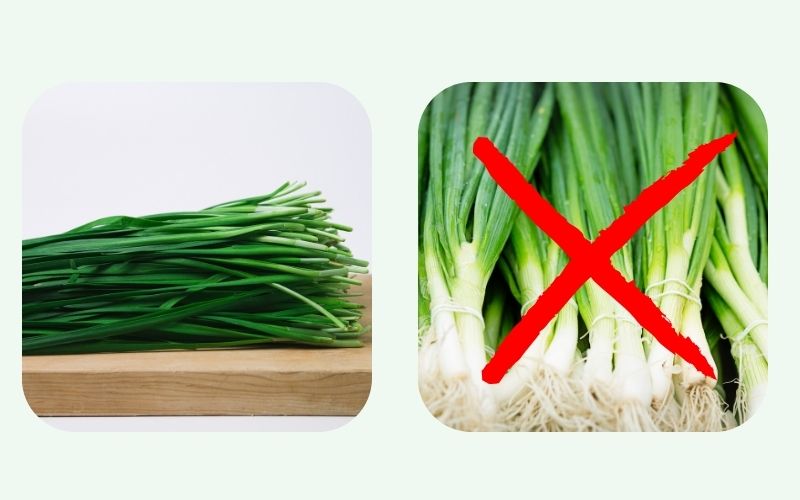
Chives are incompatible with green onions.
Onion
Similar to green onions, onions have a pungent flavor and contain strong sulfur and allicin. When eaten with chives, this combination can cause digestive problems, bloating, heartburn, especially in people with gastritis or colitis. It is best to eat onions and chives in two separate dishes to fully utilize the benefits of each.
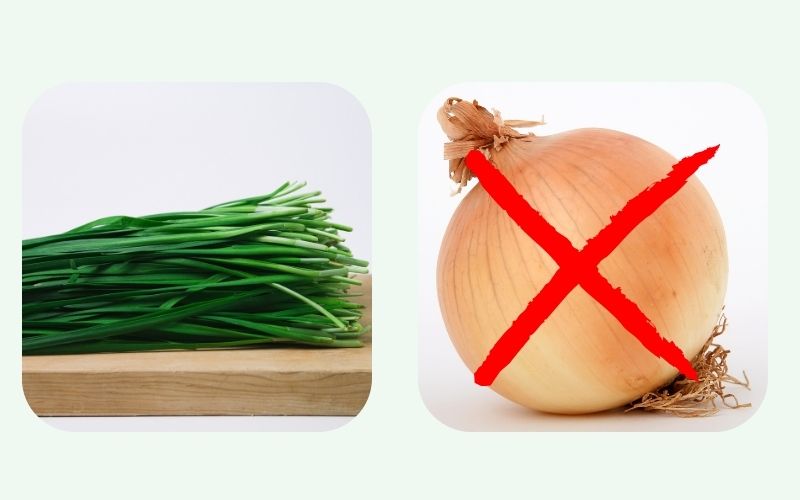
Chives are incompatible with onions
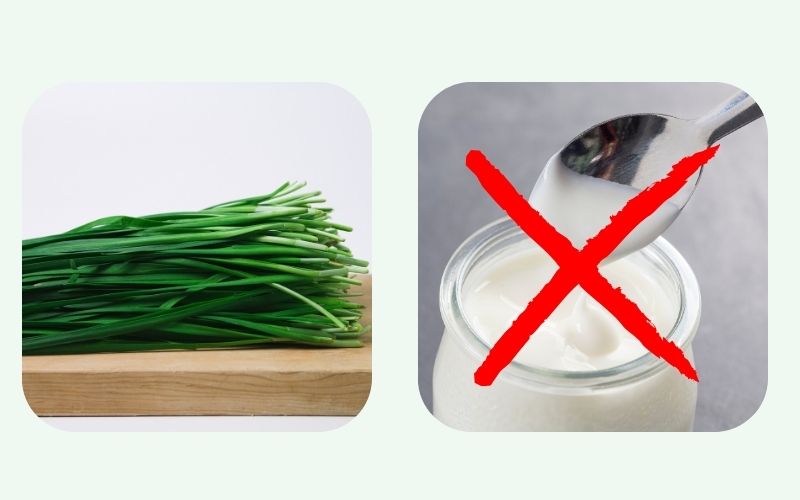
Yogurt
It may sound harmless, but chives and yogurt are two foods with completely opposite properties. Chives are warm, while yogurt is cold and contains lactic acid. When eaten together, they can cause an imbalance in intestinal flora, reduce the ability to absorb nutrients, and cause bloating and mild diarrhea.
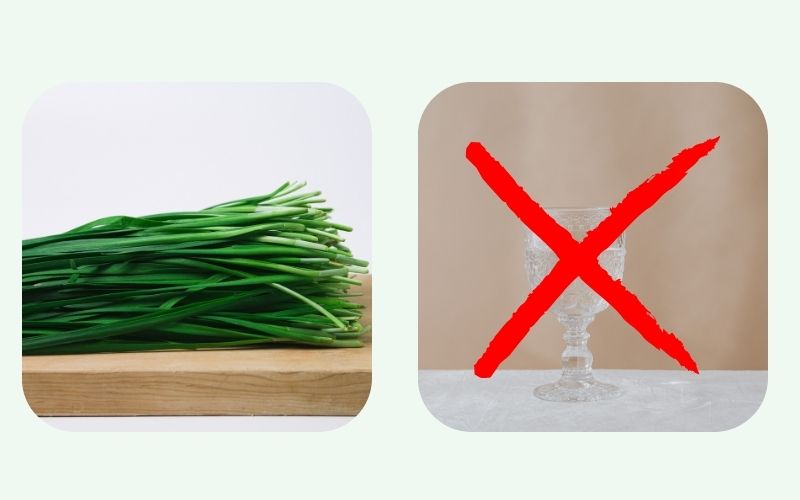
White wine
White wine has a strong hot nature, when combined with chives, which are already warm, it will cause the body to be “hot”, prone to acne, dry throat, constipation. In particular, people with liver disease, high blood pressure or stomach ulcers should absolutely not use chives with white wine because it can increase the burden on the liver.
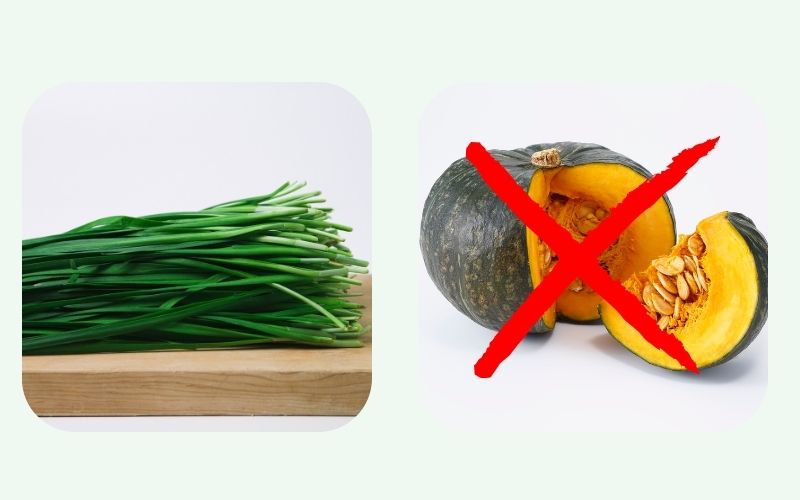
Pumpkin
Pumpkin is a rich food starch and vitamin A, which are warm in nature. When combined with chives, these two foods can increase heat, causing bloating and indigestion, especially when eaten at night or for people with weak digestive systems. In addition, cooking chives soup with pumpkin also makes the dish lose its characteristic flavor and is no longer easy to eat.
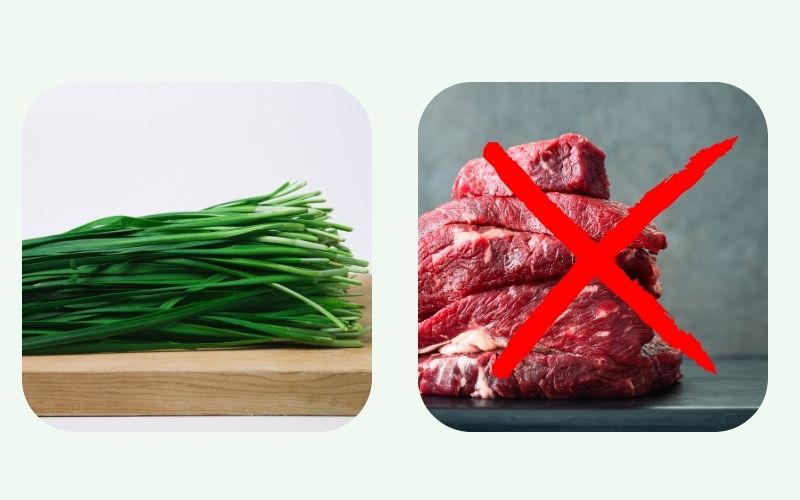
Beef
According to Oriental medicine, beef is warm, sweet, and nourishes the blood. However, if combined with chives, which are also warm, it will increase body heat, causing acne, heat in the body, and sore throat. People with a hot constitution, pregnant women, or young children should avoid eating these two foods at the same time.
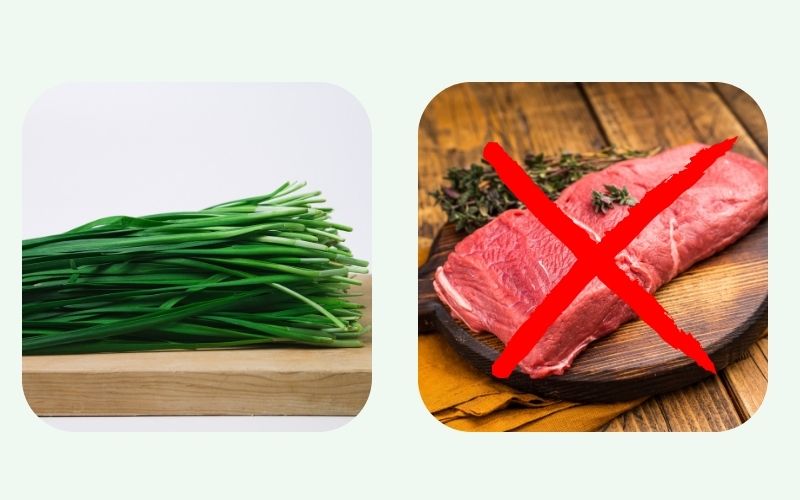
Buffalo meat
Buffalo meat has a cold nature, which is the opposite of the warm nature of chives. When eaten together, these two foods can easily cause conflict, are difficult to digest, and cause fatigue, stomachaches, or mild digestive disorders. According to nutritionists, they should be prepared separately to avoid imbalances in the body’s yin and yang.
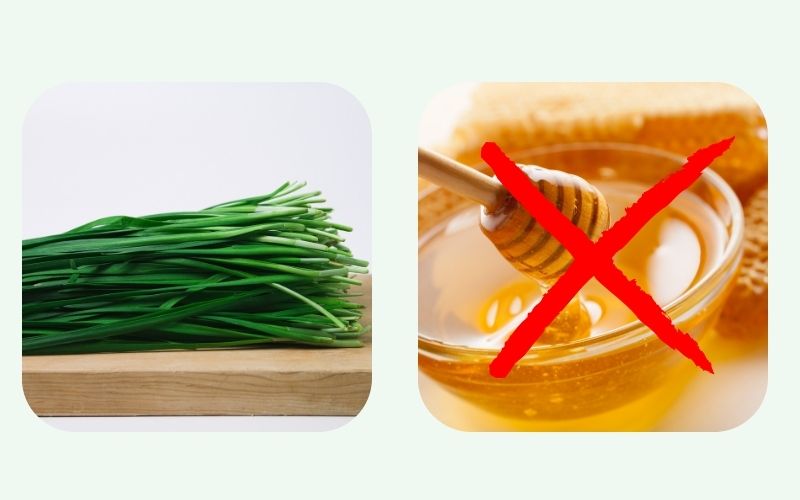
Honey
Honey contains a lot of natural sugar and is neutral, while chives are warm and contain sulfur. When combined, this mixture can cause mild stomach irritation or burning in the throat if used too much. However, if you only use a small amount of chives steamed with honey to treat coughs according to folk recipes, it is still safe, as long as you do not overuse it.
Who should not eat chives?
Although chives have many health benefits, not everyone is suitable to use this spice. Some groups of people such as people with internal heat, eye diseases, acne, weak stomach or digestive problems should limit their intake to avoid negative effects on health.
People with heat in their body
Chives are warm in nature, eating too much can cause the body to generate heat, making the heat in the body worse. People who often have acne, dry lips, or mouth ulcers should limit their intake to avoid hot flashes and discomfort.
People with eye diseases
According to Oriental medicine, consuming too much chives can affect the liver and cause dry, sore or blurred eyes. People with eye diseases such as conjunctivitis, pink eye or progressive myopia should avoid using it regularly to protect their eyesight.
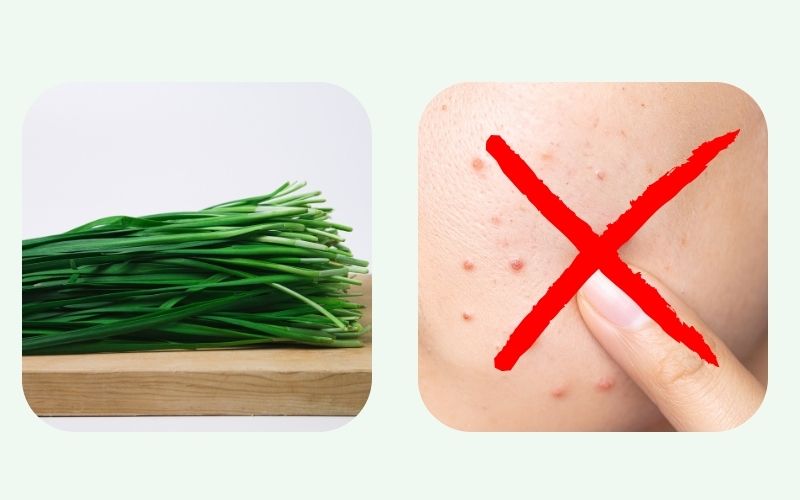
People with acne
For people with sensitive skin, prone to acne, eating too much chives can make acne worse. The heat of chives increases blood heat, thereby clogging pores and making acne difficult to control.
People with weak stomachs
Chives contain a lot of fiber and sulfur compounds, if eaten too much can easily cause bloating, indigestion or stomach pain. People with weak stomachs, stomach ulcers, or digestive disorders should eat small amounts and avoid eating when hungry.
People with digestive diseases
People with digestive disorders, especially diarrhea or irritable bowel syndrome, should limit their intake of chives. The pungent and difficult-to-digest nature of chives can overwork the stomach, leading to abdominal pain, bloating, or diarrhea.
Nutritional value of chives
Chives are not only a familiar herb but also a rich source of nutrients with many vitamins, minerals and biological compounds that are beneficial to health. According to the USDA nutrient database, 100g of fresh chives contain about 30 kcal, very little fat but rich in important nutrients such as vitamins A, C, K and minerals such as calcium, iron, potassium.
- Vitamin A (4353 IU): Helps improve eyesight, supports skin and mucous membrane health.
- Vitamin C (58.1 mg): Is a powerful antioxidant, helps strengthen immunity, promotes the production process collagen and slow down the aging process of cells.
- Vitamin K (212.7 µg): Plays an important role in blood clotting and supports bone health, especially helpful for the elderly or postmenopausal women.
- Calcium (92 mg): Essential for the growth and maintenance of strong bones and teeth, and supports nerve and muscle function.
- Iron (1.6 mg): Helps create red blood cells and prevent anemia, especially important for pregnant women or vegetarians.
- Times (296 mg): Maintains stable blood pressure, supports heart and nervous system function.
- Folate (64 µg): Essential for new cell formation, good for women of reproductive age.
In addition, chives also contain fiber, protein plants, and natural sulfur compounds (such as allicin) have antibacterial, anti-inflammatory properties and help reduce bad cholesterol (LDL) in the blood. With such rich nutritional content, chives not only help enhance the flavor of dishes but also contribute to improving overall health, from the immune system, digestion to the cardiovascular system.
Health benefits of chives
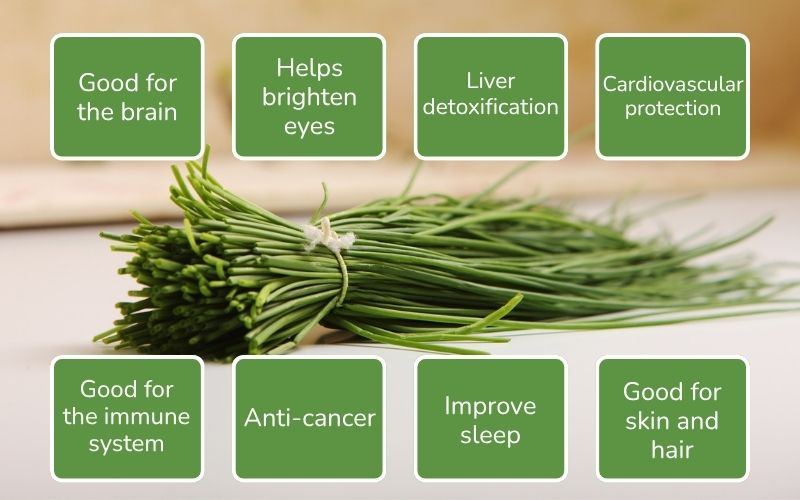
Chives are not only a delicious spice but also a valuable “nutrient storehouse” for the body. With ingredients containing many vitamins A, C, K, calcium, iron, allicin, lutein and compound antioxidants, chives bring many benefits to human health. Below are the outstanding uses of this wild vegetable:
- Good for the brain: Chives contain choline and folate, two nutrients essential for neurotransmitter function, helping to increase concentration, improve memory and reduce the risk of Alzheimer’s disease in the elderly.
- Helps brighten eyes: Vitamin A content and beta-carotene abundant in chives helps maintain retinal health, prevent dry eyes and reduce the risk of vision diseases such as macular degeneration.
- Support liver detoxification: Chives contain chlorophyll and natural sulfur compounds (allicin) that help increase the activity of liver detoxification enzymes, eliminate toxins and reduce the risk of fatty liver.
- Good for bones: Rich chives vitamin K and calcium, two essential nutrients that help strengthen bones, prevent osteoporosis, and support the body’s natural blood clotting process.
- Cardiovascular protection: The compounds allicin and quercetin in chives help reduce bad cholesterol (LDL), prevent plaque formation in blood vessel walls, and help regulate stable blood pressure.
- Good for the immune system: With content vitamin C chives help increase white blood cell production, improve resistance, and fight pathogens such as viruses and bacteria.
- Anti-cancer: Compounds flavonoid and organosulfur in chives have the ability to neutralize free radicals, inhibiting the growth of cancer cells, especially stomach, liver and colon cancer.
- Improve sleep and mood: Chives provide magic and vitamin B6, which helps regulate serotonin, is a hormone that directly affects mood and sleep, thereby reducing stress and helping you sleep more deeply.
- Good for skin and hair: Thanks to containing vitamin C, vitamin A and antioxidants, chives help stimulate collagen production, slow down skin aging, and increase blood circulation under the scalp, helping to strengthen hair and reduce breakage.
Frequently Asked Questions
Can pregnant women eat chives?
Pregnant women can eat chives but should eat them in moderation. Chives provide many vitamins and minerals that are good for the fetus, helping to increase the resistance of pregnant mothers. However, eating too much can cause heat in the body and affect the digestive system, so should only be used 1-2 times/week.
Can breastfeeding women eat chives?
Breastfeeding women should limit their intake of chives. Some folk studies suggest that chives can affect the quality and taste of breast milk, causing the baby to drink less. Therefore, if eaten, mothers should only use a small amount to avoid affecting milk production.
Are chives bad with chicken?
Are not, chives are completely incompatible with chicken. On the contrary, this is also a delicious and nutritious combination, especially good for men’s health thanks to its ability to help increase vitality.
Are chives bad with shrimp?
Chives and shrimp do not conflict with each other. But pay attention to the preparation method. When cooking together, cook thoroughly to avoid allergies or indigestion due to the protein in shrimp. People with sensitive skin or weak digestive systems should avoid combining these two foods.
What is good to cook with chives?
Chives can be combined with eggs, tofu, minced meat or shrimp.to create nutritious dishes. Some delicious dishes from chives such as fried eggs with chives, chive soup with shrimp, chives stir-fried with beef, chives stir-fried with tofu are all very easy to prepare and have a naturally sweet flavor.
Kamereo – Supplier of fresh chives at good prices for F&B businesses
When it comes to finding a source of fresh, safe and stable chives for restaurants, eateries or industrial kitchens, Kamereo is the top choice. Trusted by more than 4,000+ F&B businesses. Kamereo is a wholesale food supply application that helps F&B businesses optimize the purchasing process. Chives and vegetables at Kamereo are provided with full, transparent VAT invoices, supporting clear accounting declarations.
Chives at Kamereo are harvested Buy directly from qualified farms in Da Lat and reputable vegetable growing areas, ensuring clear origin and being cold storage modern before being delivered to customers. Each order goes through 3-layer strict quality control process, from harvesting, transportation to warehouse classification, helps to preserve the freshness and natural flavor of chives.
With commitment of 99% of orders delivered on time and in the correct quantity, Kamereo helps F&B businesses operate with peace of mind without worrying about supply disruptions. In addition to fresh chives, Kamereo also provides more than 3,000 food products and ingredients other than F & B, from vegetables, meat and fish to spices and kitchenware – all in one platform. Businesses do not need to worry about managing multiple suppliers while still ensuring enough raw materials for the store to operate with Kamereo.
Summary
What chives are incompatible with is an important question to help you use this vegetable properly, ensure safety and maximize nutritional value. Although chives bring many health benefits, combining the wrong foods or using too much can be counterproductive. Access kamereo.vn order fresh chives today at good wholesale prices for your restaurant, eatery or corporate kitchen!
See also: