

 0812 46 37 27




Winter melon is a nutritious food and is loved by many people, but not everyone can eat it and it should not always be combined with all types of food. The following article will answer What is the conflict with sponge gourd? Foods that should not be eaten with sponge gourd, who should not eat, as well as notes on whether pregnant women can eat squash and the effects of squash. From there, help you use squash properly, ensuring health and safety for the whole family.
What is sponge gourd incompatible with?
Winter melon is a nutritious food, rich in vitamins, minerals and fiber, helps to cool the body, diuretic and aids digestion. However, winter melon is not always “safe” when combined with all types of food. Below are foods that should not be eaten with winter melon, with detailed explanations of the mechanism of action:
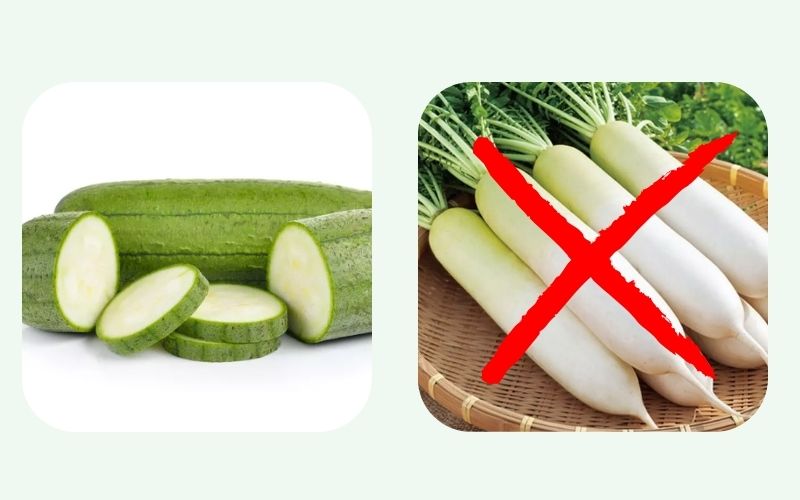
Sponge gourd is incompatible with white radish.
White radish has a cold nature, similar to winter melon. When eaten together, this combination can increase the coldness in the body, leading to symptoms such as bloating, indigestion, abdominal pain or diarrhea, especially in people with sensitive digestive systems.
In addition, according to Oriental medicine, this combination, if used for a long time, can also reduce “vitality” in men, although current scientific research has not yet confirmed it accurately. Therefore, when using winter melon, you should avoid cooking or eating it with white radish in the same meal.
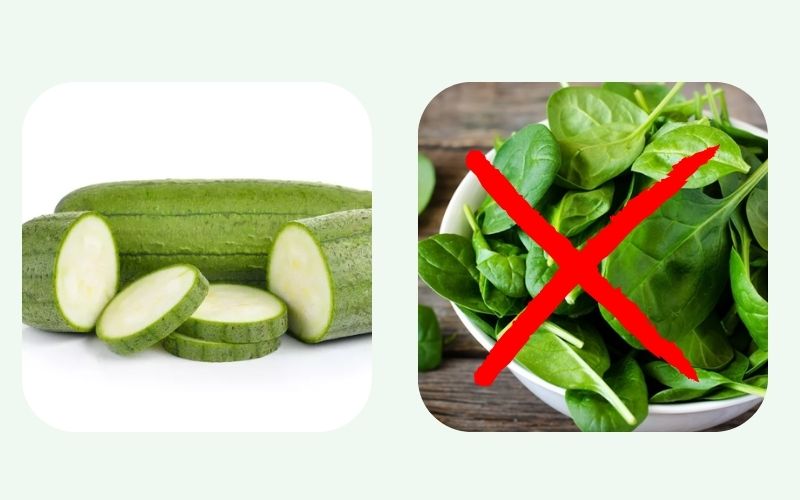
Sponge gourd is incompatible with spinach.
Spinach is also cooling and contains large amounts of oxalic acid When eaten with squash, the oxalic acid in the vegetable easily combines with calcium, forming calcium oxalate, an insoluble compound that can deposit in the kidneys, increasing the risk of kidney stones if eaten regularly.
In addition, oxalic acid also reduces absorption capacity of vitamin C from winter melon, causing the body to not receive enough nutrients. People with sensitive digestive systems when eating winter melon with spinach may also experience bloating, indigestion or stomach pain. Therefore, if you want to eat both, you should eat them at different meals or cook them separately to ensure safety.
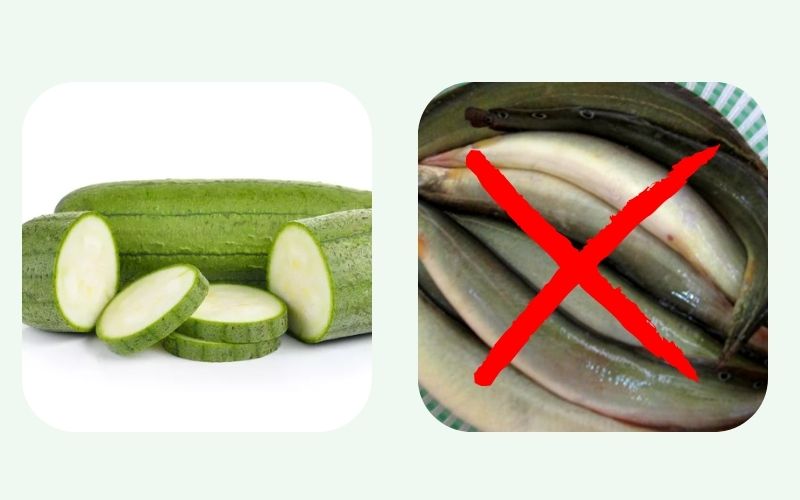
Sponge gourd is incompatible with loach.
Loach contains the enzyme thiaminase, which has the ability to decompose vitamin B1 When eaten with squash, this enzyme can reduce the amount of vitamin B1 from the squash, causing loss of some important nutritional value.
In addition, loach also contains a lot of protein and fat, when combined with squash rich in fiber and cold properties, can cause bloating, indigestion, especially for people with sensitive digestive systems. Cooking these two foods together also increases the coldness in the body, not good for people who are prone to digestive disorders or often feel cold in the stomach.
Who should not eat Sponge gourd?
Winter melon is a nutritious, refreshing and healthy food, but not everyone can eat it, especially those with sensitive bodies or in a weak state. Below are groups of people who should limit or avoid eating winter melons, with detailed explanations.
People with cold body
People with cold bodies often show symptoms such as cold hands and feet, stomach ache, loose stools, and fatigue in cold weather. Winter melon has a cold nature, when combined with an already cold body, it will increase the feeling of cold in the body, easily leading to stomach ache, bloating, indigestion, and loss of energy. Eating a lot of winter melons in this case can make the cold body condition worse.
In addition, according to Oriental medicine, prolonged coldness in the body also affects vitality and the ability to absorb nutrients. These people should limit winter melon or process winter melon with warm foods such as ginger and chicken to balance the coldness. Cooking thoroughly also helps reduce the cold effect, ensuring that winter melon is both safe for health and enjoyable.

People with poor digestion
People with weak digestive systems, such as sensitive stomachs, bloating, flatulence or diarrhea, should also be careful with winter melons. Although the fiber in winter melon is good for digestion, if the body is not strong enough, eating too much will overstimulate the intestines, causing stomach pain, bloating, diarrhea or indigestion.
In addition, winter melon has a cool and refreshing nature, combined with a poor digestive system can reduce the ability to absorb nutrients. Therefore, people with poor digestion should eat winter melon in small amounts, cook thoroughly and combine with warm, easy-to-digest foods to ensure both providing nutrients and not putting pressure on the digestive system.

Newly recovered person
People who have just recovered from an illness, especially after a serious illness or surgery, are still weak and sensitive. Winter melon has a strong cold nature, if eaten in large quantities it can reduce yang energy, cause fatigue, loss of appetite or overstimulate the digestive tract. This can slow down the recovery process and affect resistance.
In addition, after illness, the body is prone to nutritional imbalance, improper use of winter melon can reduce the effectiveness of absorbing important vitamins and minerals. People who have just recovered from illness should eat small amounts of winter melon, cook thoroughly and combine with other nutritious foods, or consult a doctor to ensure safety and support the best recovery.

Note some harmful effects of squash
Winter melon is a nutritious and refreshing food, but if used improperly or excessively, it can cause some harmful effects to the body. Here are some important notes:
- Easy to cause bloating, indigestion: Winter melon is high in fiber and can produce gas during digestion. For people with sensitive digestive systems, eating too much can lead to bloating and indigestion.
- Risk of allergic reaction: Some people may be allergic to squash, which can manifest as symptoms such as hives, rashes, itching, or skin irritation.
- May interact with medications: In particular, winter melon can affect the effectiveness of anticoagulants, increasing the risk of bleeding if used together. People who are taking long-term medication should consult a doctor before eating a lot.
- Causes intestinal discomfort: If you are experiencing digestive problems such as diarrhea, constipation or irritable bowel syndrome, winter melon may make the symptoms worse.
- Unsafe when prepared incorrectly: Some parts of the squash can contain harmful substances if eaten raw. Therefore, it is always necessary to prepare it properly and cook it thoroughly before use to ensure safety.
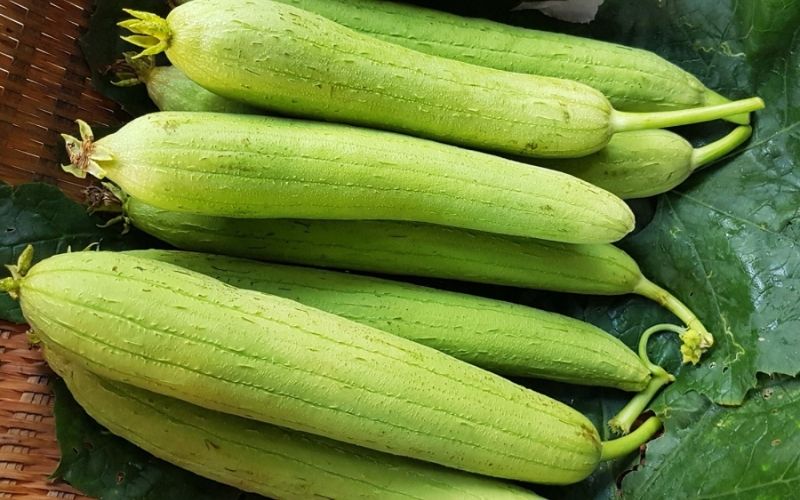
What are the benefits of eating squash?
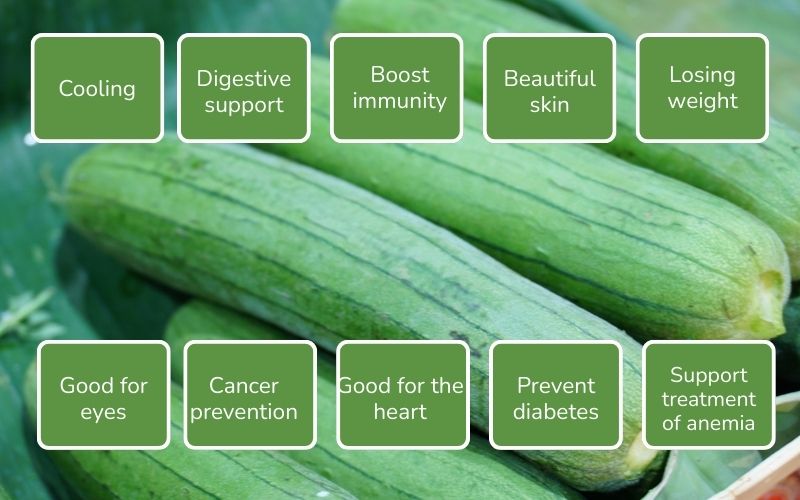
Winter melon is not only a familiar ingredient in daily meals but also brings many health benefits thanks to its rich content of vitamins, minerals and antioxidants. Below are the outstanding effects of winter melon:
- Cooling: Winter melon has a cooling effect, helps to cool down, soothe the body, and reduce internal heat, especially suitable in the summer.
- Digestive support: Rich in fiber to help stimulate intestinal motility, support constipation treatment, improve nutrient absorption.
- Boost immunity: Contains vitamin C, A and many antioxidants, helps increase resistance and protect the body from pathogens.
- Beautiful skin: Vitamins and antioxidants help slow down aging, improve skin brightness and elasticity.
- Losing weight: Low in calories, high in water and fiber, helps create a feeling of fullness for a long time, supporting the weight control process.
- Good for eyes: Content vitamin A Helps nourish the eyes, improve eyesight and reduce the risk of eye diseases.
- Cancer prevention: Antioxidants such as flavonoids and polyphenols help inhibit free radicals, helping to reduce the risk of cancer cell formation.
- Good for the heart: Contains time and fiber, helps stabilize blood pressure, reduce cholesterol and support blood circulation.
- Prevent diabetes: Low glycemic index, rich in fiber, helps control blood sugar effectively.
- Support treatment of anemia: Provide iron and folate – nutrients needed for red blood cell formation and improving anemia.
Kamereo – Solution to provide fresh, good price wholesale sponge gourd for F&B businesses
For restaurants, eateries, industrial kitchens or F&B business models, finding a stable, fresh and good-priced supply is always a top priority. Winter melon is an ingredient used frequently in many menus, so it is even more necessary to have a quality supply and fast delivery. Kamereo is a reliable choice to help businesses optimize costs and ensure a stable source of raw materials every day.
Buy fresh, delicious squash at good prices at Kamereo:
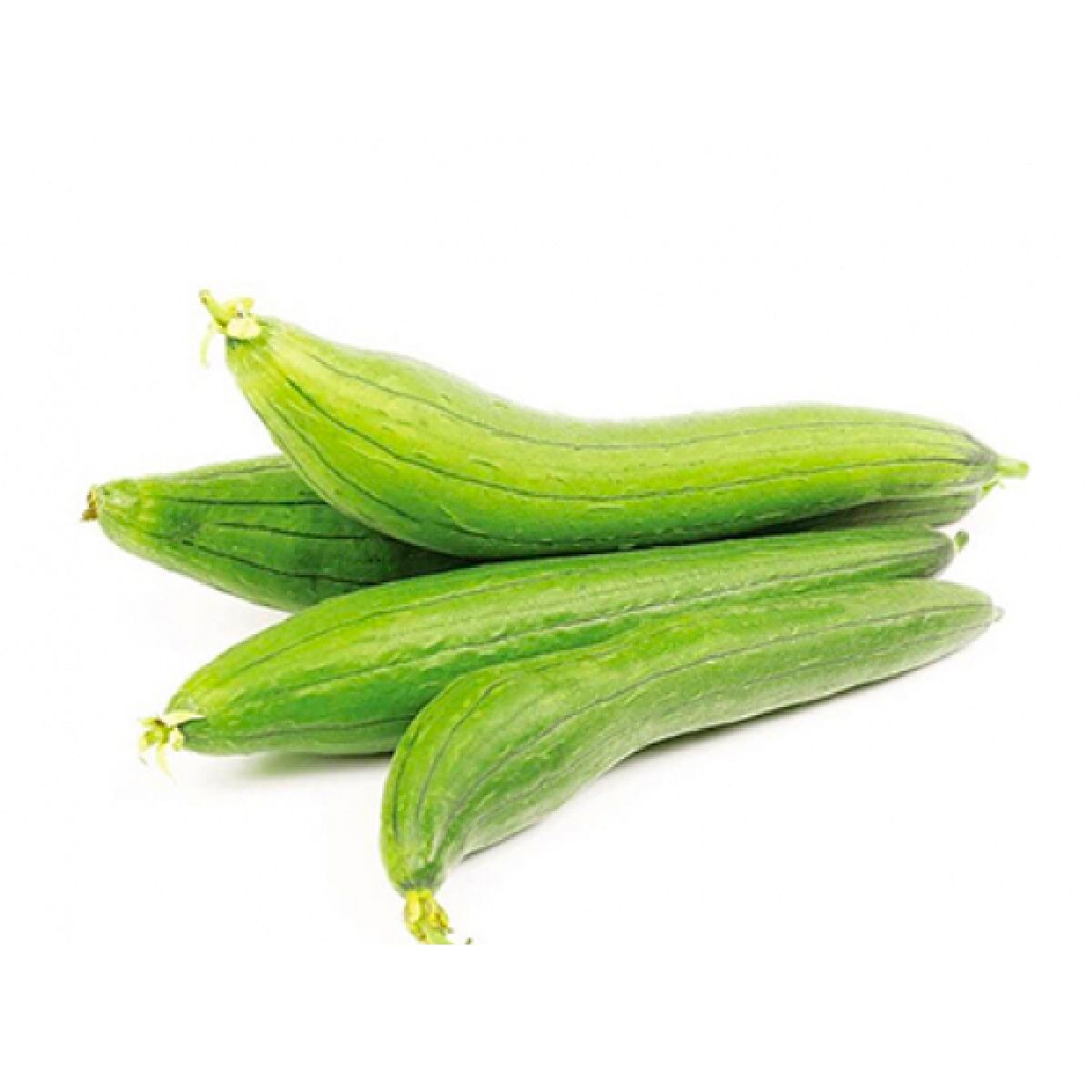
Sponge Gourd South
29,000đ/KILOGRAM
35,900đ/KILOGRAM
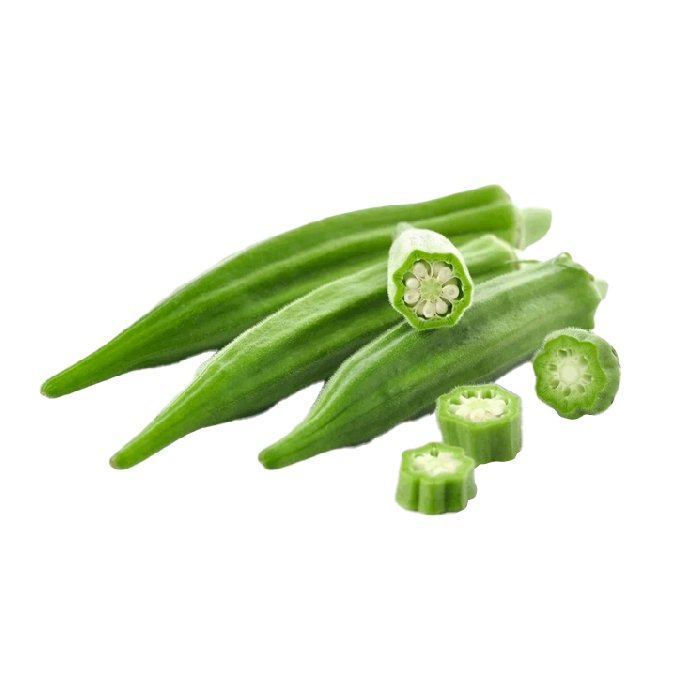
Baby Okra
39,000đ/KILOGRAM

Okra South
37,000đ/KILOGRAM
46,900đ/KILOGRAM

Bitter Melon South
45,000đ/KILOGRAM

Bitter Melon Da Lat
47,000đ/KILOGRAM
55,800đ/KILOGRAM
Kamereo cooperates with qualified farms in key growing areas, ensuring that the squash is harvested on the same day, preserved properly and delivered to customers in the shortest time. Thanks to this, businesses always receive fresh – clean – uniform ingredients, minimizing damage or deterioration during processing. In addition, Kamereo also helps restaurant owners optimize costs thanks to competitive wholesale prices, transparency with VAT invoices for each order and clear quality commitments.
Businesses are also supported to order flexibly via the website or Kamereo application, track orders in real time and proactively adjust quantities according to daily needs. With a professional delivery team operating strongly in Hanoi and Ho Chi Minh City, receiving orders until 12am and delivering early from 6am, Kamereo meets the need for fast and continuous import of goods, suitable for the F&B business model.
With professionalism, transparency and speed, Kamereo not only provides quality squash but also brings an optimal shopping experience, helping F&B businesses save time, human resources and operating costs. If you are looking for a reputable source of wholesale squash – fresh – good price, Kamereo is always ready to be a reliable partner.

Frequently Asked Questions?
Who should not eat squash?
The person has diarrhea, weak spleen or cold constitution you should limit eating squash because its cooling properties can make symptoms worse.
Can I eat squash after giving birth?
Postpartum women can eat squash because vegetables help with lactation, are refreshing, and easy to digest, but should be eaten in moderation and cooked thoroughly.
Can pregnant women eat squash?
Pregnant women can eat squash because this food is rich in vitamins, fiber, aids digestion and reduces heat in the body, but you need to choose fresh, clean squash and eat it properly.
Is it good to eat a lot of squash?
Eat squash well but don’t eat too much, because its cool properties can cause indigestion or bloating in people with weak digestive systems.
Summary
What is bitter melon incompatible with? has been answered in detail in the article, helping you know how to use squash safely, suitable for your health and avoid foods that should not be combined. To ensure a source of fresh, delicious squash at a reasonable wholesale price for restaurants, eateries or industrial kitchens, you can choose Kamereo. Order wholesale squash at Kamereo.vn today to save costs and ensure input quality.
See also: