

 0812 46 37 27




During traditional Tet (Lunar New Year) celebrations, sweet and sour pickled shallots are a familiar and indispensable dish on the Tet feast table. This article from Kamereo will guide you on how to make pickled shallots, starting from… How to make pickled shallots from simple sugar soaking to the perfect sweet and sour pickling method, this guide ensures your shallots are crispy, beautifully white, and delicious. Whether you want to make traditional or creative pickled shallots for Tet, this guide will help you easily make them at home, bringing the rich flavors of Tet to your family.
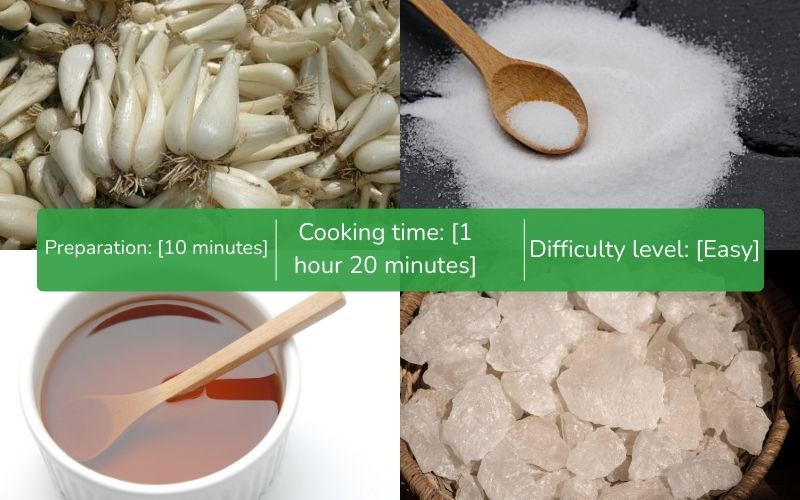
Ingredients to prepare
Before starting the traditional sweet and sour pickled shallot recipe, you need to prepare all the necessary ingredients and tools to ensure that the shallots, after pickling, are white, crispy, and flavorful.
- Shallots: 1kg
- White granulated sugar: 400g
- Vinegar: 500ml
- Alum: 1 teaspoon
- Salt: a little
Tools and materials needed:
- A clean glass jar with a lid for pickling the shallots after mixing the sugar and vinegar solution.
- Baskets, basins, knives, and cutting boards for preparing, washing, and arranging pickled onions.
- A small pot or pan to heat the pickling liquid mixture (vinegar – sugar – salt).
Buy ingredients for making sweet and sour pickled shallots at a good price at Kamereo.
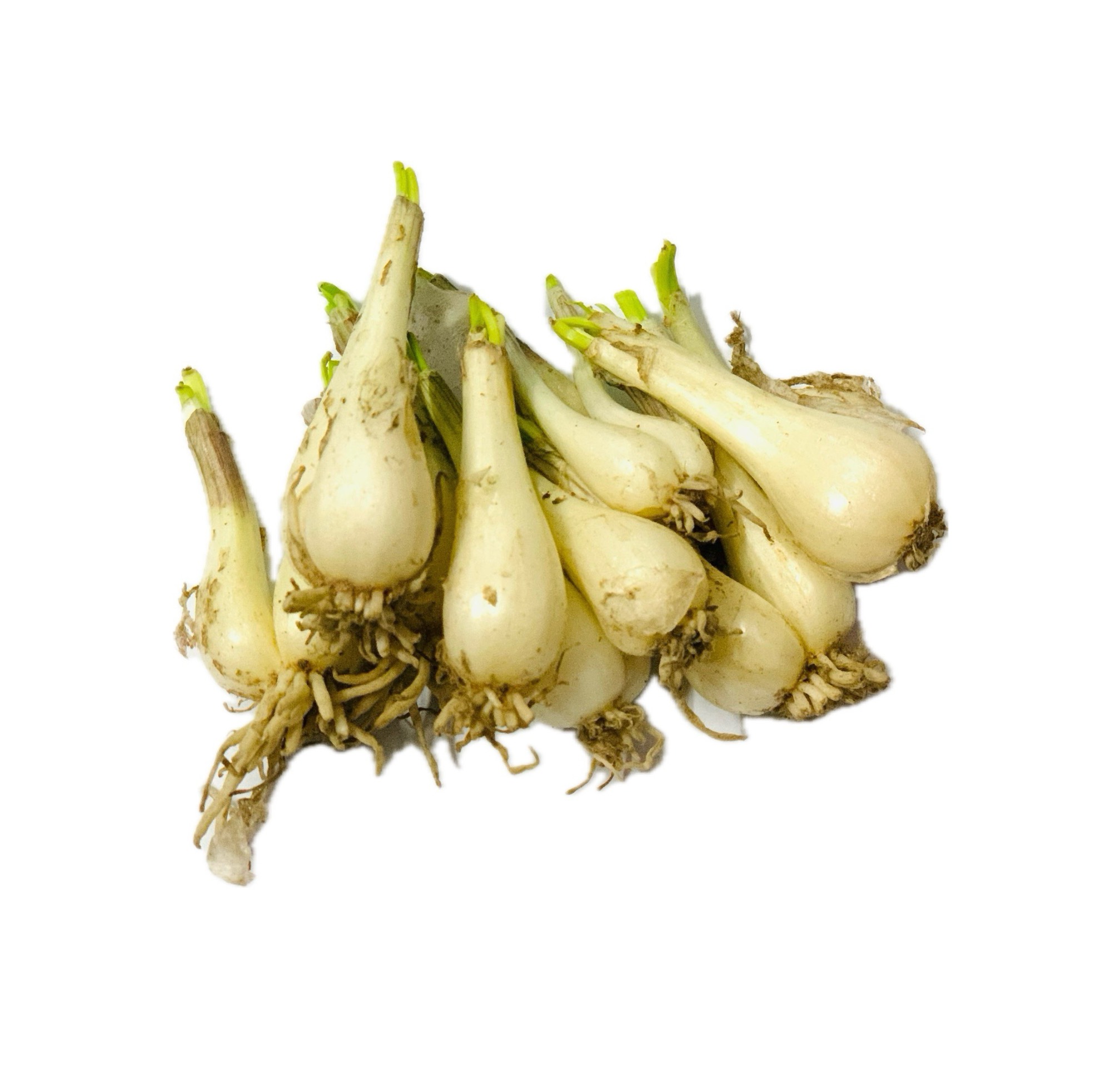
Scallion Head
62,857đ/KILOGRAM
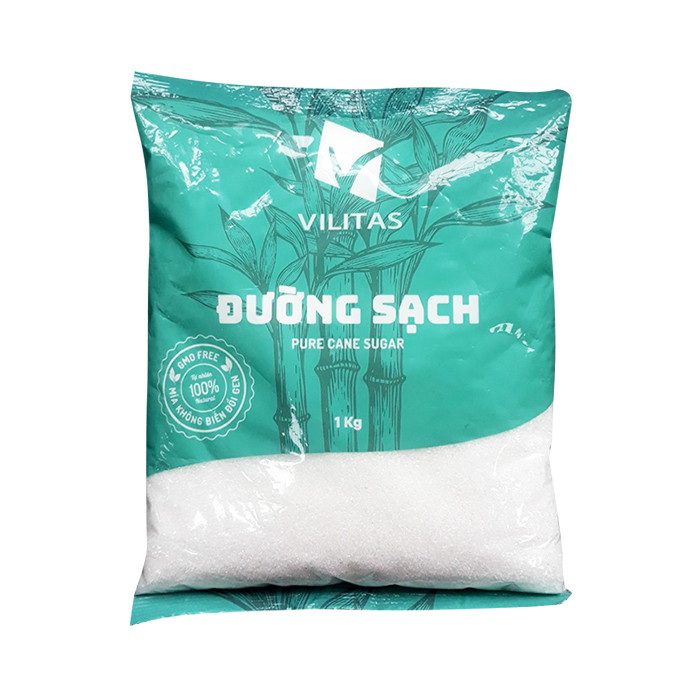
Vilitas Pure Cane Sugar 1kg
28,000đ/PACK
32,300đ/PACK
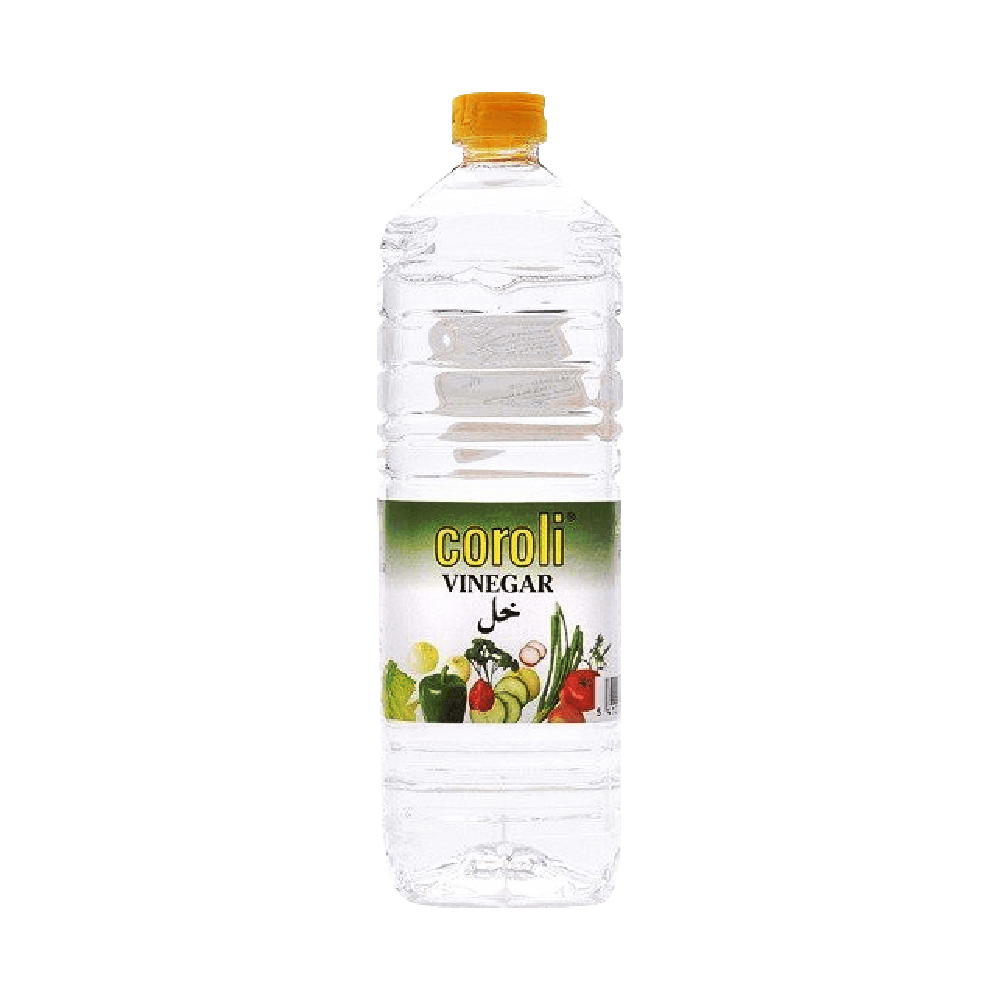
Coroli White Vinegar 1L
36,500đ/BOTTLE
42,500đ/BOTTLE
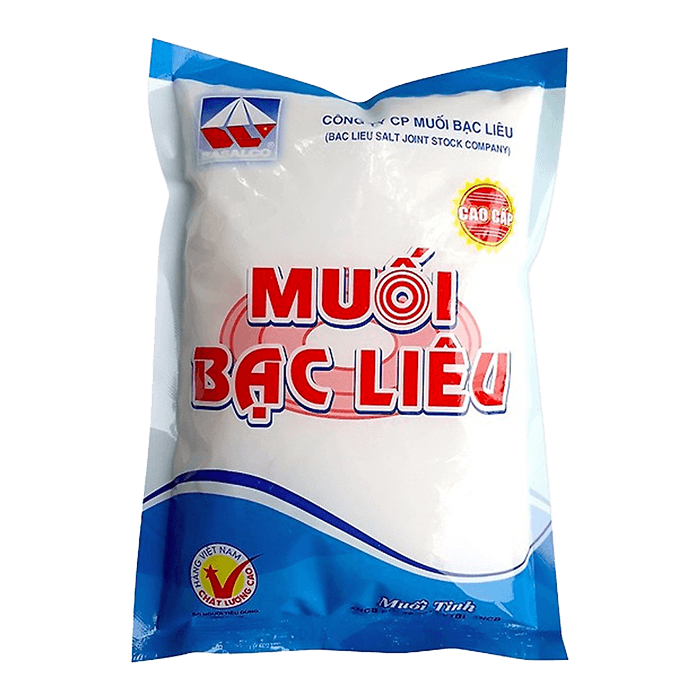
Bac Lieu Refined Salt 500g
5,000đ/PACK
Tips for choosing a sedan chair: Choose fresh shallots that are plump and not hollow inside, as this will help them achieve a natural crispness and a more balanced sweet and sour flavor after pickling.
How to make sweet and sour pickled shallots
Soak shallots in salt and alum.
First, prepare a bowl of water, add 100g of salt and 1 teaspoon of alum, then soak the shallots in it for about 12 hours or overnight. Afterwards, remove the shallots and rinse them thoroughly with water.
Helpful tip:
- You can replace alum-infused salt water with rice water, salt-infused ash water, or lime water.
- Soaking shallots overnight helps remove dirt, eliminate the pungent smell, and make them crispier.

Preparing shallots
After washing the shallots, remove the roots, tops, and outer skin. Place the shallots on a tray or basket to drain. Avoid cutting too deeply into the shallots to prevent them from losing their crispness and becoming tough infected water.

Marinate and dry the shallots.
Place the prepared shallots in a bowl, add 300g of sugar and mix well. Spread the shallots on a tray and dry them in the shade for about 3-4 hours until they become slightly wilted.
When drying, turn the scallions frequently to ensure even distribution of the sugar. Avoid drying them directly in strong sunlight to prevent them from drying out, and cover them with a mesh or thin cloth to protect them from dust.

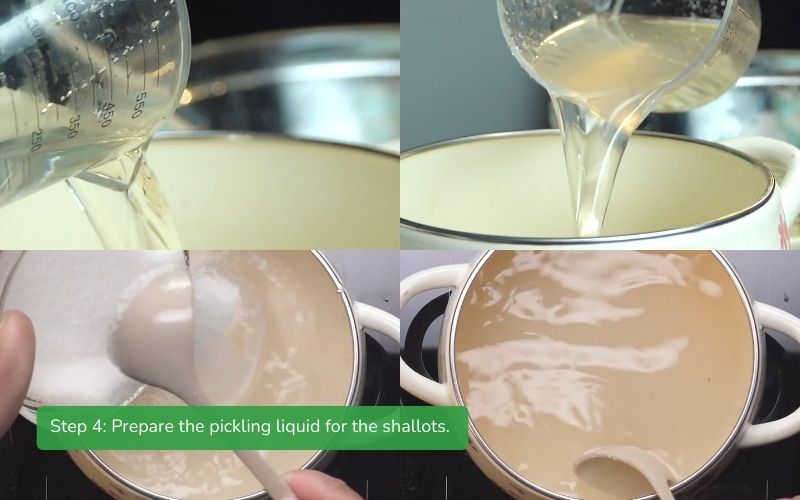
Prepare the brine for pickling shallots.
Place a pot on the stove, add 500ml of vinegar, 100g of sugar, and 1 teaspoon of salt. Bring to a boil until the sugar dissolves completely, then let it cool. For a better taste, use homemade vinegar.
Pickled shallots
Arrange the pickled shallots in a clean glass jar, pour in the cooled pickling liquid, and close the lid. Let them soak for about 2-3 days at room temperature before eating.
Before pickling, the glass jar should be washed and rinsed with boiling water to ensure the shallots are free from contamination.

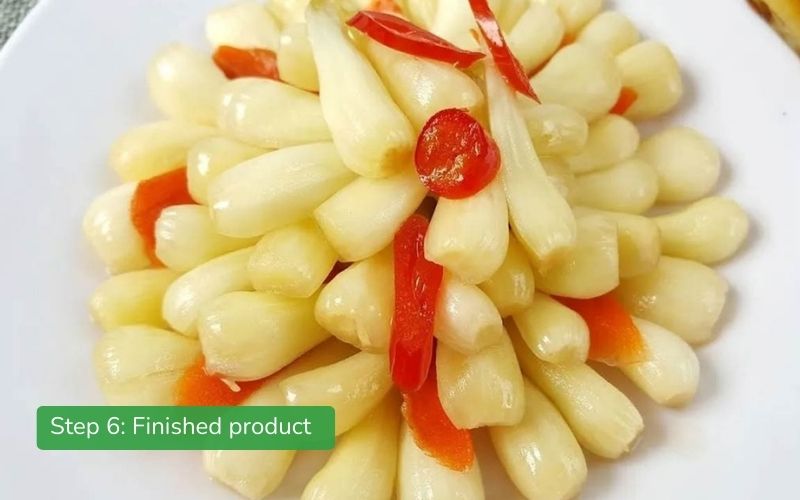
Finished product
Once finished, the pickled shallots will be white and retain their natural crispness. If you want a stronger sour taste, you can pickle them longer. Pickled shallots are an ideal accompaniment to banh chung, banh tet, or jellied meat during Tet, providing a mild sweet and sour flavor that balances the meal.
How to choose shallots for making delicious pickled shallots
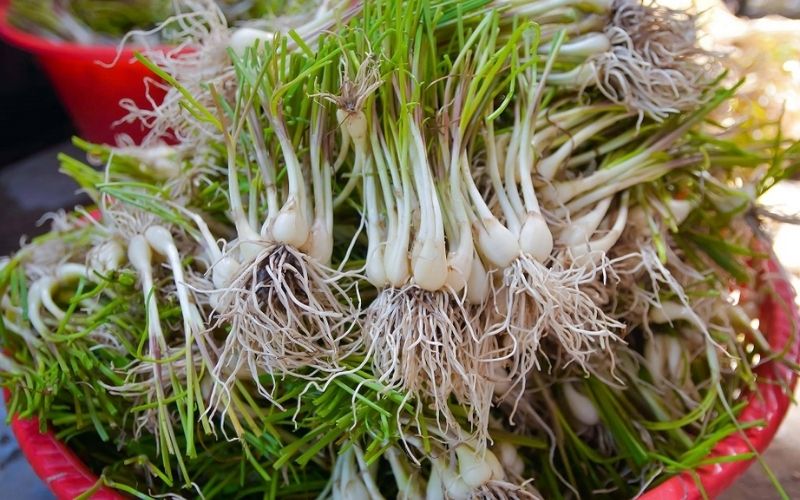
To make pickled shallots that are crispy, fragrant, and visually appealing, the selection of ingredients is crucial. Currently, there are two common types of pickled shallots: Hue shallots (cinnamon shallots) and buffalo shallots. Among these, Hue shallots are more popular when making pickled shallots. Because of its wide stem, distinctly constricted waist, and small tail, this shallot variety is crispier, more fragrant, and absorbs seasonings more easily than the long-stemmed, large-tailed variety.
When buying shallots, you should choose medium-sized ones, avoiding overly large ones as they tend to be pungent and spicy. Good shallots are bright white, firm to the touch, and free from bruises or damage. Additionally, prioritize shallots with a naturally constricted waist so that the finished pickled shallots look more appealing and attractive. Choosing the right shallots will ensure your pickled shallots are crispy, delicious, and have the authentic traditional flavor.
Tips for preparing shallots to keep them white and crispy.
To ensure that pickled shallots are beautifully white, crispy, and not pungent, the initial preparation must be thorough. Shallots, after being purchased, often have a lot of dirt, sand, and bacteria clinging to them, so they must be carefully washed to ensure hygiene and product quality.
Clean the shallots with salt.
The most common method this involves cleaning the shallots with salt. First, cut off the roots and the dirty outer layer, being careful not to cut too deep into the bulb to avoid waterlogging. Then, soak the shallots in diluted salt water for about 8 hours to remove dirt and bacteria. Afterward, remove the shallots and soak them in salt water or ice water for another 30 minutes to make them firmer and crispier.
After soaking, drain the shallots and then dry them in gentle sunlight until they are slightly wilted. Do not dry them too much, as this will make them tough and lose their natural aroma. Before soaking, clean off any remaining skin and roots to make the shallots look whiter and more appealing.
Clean shallots using wood ash and alum.
In addition, you can also prepare shallots by using wood ash and alum. Mix wood ash with water and soak the shallots overnight to remove impurities. Then, drain, cut off the roots, gently peel the outer skin, and rinse thoroughly 2-3 times with water.
Next, soak the shallots in ice water for about 30 minutes to increase crispness, then rinse with clean water. Dilute alum in water and soak the shallots for about an hour to make them whiter and fresher. Finally, sun-dry them gently until they are slightly wilted, peel the skin and roots again before soaking
Notes on making and pickling sweet and sour shallots
To ensure that pickled shallots are white, crispy, not soggy, and can be stored for a long time, you need to remember some important points during the pickling process below:
- How to properly pickle shallots: After purchasing, shallots should be soaked in a mixture of ash water and salt. If ash water is unavailable, rice water, alum water, or lime water can be used as a substitute. The minimum soaking time is…8 hours Ideally, leave it overnight. This step helps reduce the pungent taste, increase crispness, and extend the shelf life of the pickled shallots.
- Wash shallots with vinegar: Before pickling, rinse the shallots in a bowl of water mixed with vinegar for about 1 hour, 3-4 minutes. This method helps the shallots become brighter, crispier, and creates a pleasant, mild sour taste for the sweet and sour shallot dish.
- Trim the shallots carefully:When cutting the roots, avoid cutting too deep into the flesh of the bulb to prevent the shallots from becoming soggy when pickled. Cleanly remove all roots, stems, tips, and the outer skin, then allow the shallots to drain completely before moving on to the next step.
- Dry the shallots until they are just right: After preparing the shallots, spread them out in a basket or tray and dry them in gentle sunlight for about 1 hour.1-2 daysLet the shallots dry slightly. If there is no sun, you can dry them in the shade for about a day. Do not dry them too much as this will make the shallots tough.
- Choose the right pickling jar: Use the first clean glass jar. The pickles have been rinsed with hot water and thoroughly dried to ensure hygiene and prevent spoilage during the pickling process.
- Make sure the shallots are completely submerged in water: Whether pickling in fish sauce and sugar or sweet and sour brine, the pickling liquid must completely submerge the shallots so that the seasoning is absorbed evenly and to prevent them from spoiling or becoming moldy.
- Proper storage: After soaking, seal the jar tightly and store in a cool, well-ventilated place, away from direct sunlight. Storing at a cool temperature will help the pickled shallots retain their crispness and flavor for longer.
Kamereo – The ultimate wholesale food sourcing app for F&B businesses.
For F&B businesses, ensuring a quality supply of ingredients directly impacts the preparation of pickled shallots and other traditional dishes. Kamereo provides fresh, consistent, and transparently priced wholesale food, allowing businesses to confidently prepare ingredients without worrying about shortages or price fluctuations.
Buy fresh, high-quality produce at wholesale prices for F&B businesses at Kamereo.
![[Carton] 333 Beer 330ml x 24 Cans](https://images-handler.kamereo.vn/supplier/654/PRODUCT_IMAGE/9ed474ea-1f72-41c6-b8cd-f9097fce4e9b.jpg)
[Carton] 333 Beer 330ml x 24 Cans
283,000đ/CASE
359,800đ/CASE
![[Carton] 333 Pilsner Beer 330ml x 24 Cans](https://image-handler-prod.s3-ap-southeast-1.amazonaws.com/supplier/654/PRODUCT_IMAGE/599baeac-5524-47ec-bc93-a4b9d1f1b26d.png)
[Carton] 333 Pilsner Beer 330ml x 24 Cans
301,000đ/CARTON
![[Carton] Asahi Super Dry Beer 330ml x 24 Bottles](https://images-handler.kamereo.vn/supplier/654/PRODUCT_IMAGE/d2eb9274-cd43-46df-99d7-2f27eeb41a95.jpg)
[Carton] Asahi Super Dry Beer 330ml x 24 Bottles
531,000đ/CASE
![[Carton] Asahi Super Dry Beer 330ml x 24 Cans](https://images-handler.kamereo.vn/eyJidWNrZXQiOiJpbWFnZS1oYW5kbGVyLXByb2QiLCJrZXkiOiJzdXBwbGllci82NTQvUFJPRFVDVF9JTUFHRS82NzBmY2VlNi04ZDNmLTRlOWUtODMzNC03MGUwZjlmMTllNjIuanBnIn0=)
[Carton] Asahi Super Dry Beer 330ml x 24 Cans
531,000đ/CASE
![[Carton] Corona Beer Grass Bottle 250ml x 24 Bottles](https://image-handler-prod.s3-ap-southeast-1.amazonaws.com/supplier/654/PRODUCT_IMAGE/7fddea66-ff0b-480f-b42f-58418b3cabc7.png)
[Carton] Corona Beer Grass Bottle 250ml x 24 Bottles
535,000đ/CARTON
![[Carton] Heineken Silver 330ml x 24 Cans](https://image-handler-prod.s3-ap-southeast-1.amazonaws.com/supplier/654/PRODUCT_IMAGE/926a73a8-130d-4cef-8ef7-b1718df6b8cf.png)
[Carton] Heineken Silver 330ml x 24 Cans
459,000đ/CASE
590,500đ/CASE
![[Carton] Heineken Beer 330ml x 24 Cans](https://image-handler-prod.s3-ap-southeast-1.amazonaws.com/supplier/654/PRODUCT_IMAGE/bde281f7-55f5-4e81-be6d-48c278dd9954.png)
[Carton] Heineken Beer 330ml x 24 Cans
448,000đ/CASE
549,000đ/CASE
![[Carton] Saigon Export Premium Beer 330ml x 24 Cans](https://image-handler-prod.s3-ap-southeast-1.amazonaws.com/supplier/654/PRODUCT_IMAGE/a9676726-54e2-49e2-9c9d-4b8bff1755cc.png)
[Carton] Saigon Export Premium Beer 330ml x 24 Cans
267,000đ/CARTON
![[Carton] Saigon Lager Beer 330ml x 24 Cans](https://image-handler-prod.s3-ap-southeast-1.amazonaws.com/supplier/654/PRODUCT_IMAGE/862e319a-5e18-4a65-949a-519a09e12165.png)
[Carton] Saigon Lager Beer 330ml x 24 Cans
269,000đ/CASE
311,100đ/CASE
![[Carton] Saigon Special Beer 330ml x 24 Bottles](https://image-handler-prod.s3-ap-southeast-1.amazonaws.com/supplier/654/PRODUCT_IMAGE/21e8d2a1-fcd6-4a44-bceb-b47f363a435c.png)
[Carton] Saigon Special Beer 330ml x 24 Bottles
397,000đ/CARTON
![[Carton] Saigon Special Beer 330ml x 24 Cans](https://image-handler-prod.s3-ap-southeast-1.amazonaws.com/supplier/654/PRODUCT_IMAGE/88326cc6-ec09-4911-a5fc-fed404d1e750.png)
[Carton] Saigon Special Beer 330ml x 24 Cans
335,000đ/CASE
![[Carton] Sapporo Beer 330ml x 24 Cans](https://image-handler-prod.s3-ap-southeast-1.amazonaws.com/supplier/654/PRODUCT_IMAGE/8d990fbb-8000-4588-a469-122c2e312e51.png)
[Carton] Sapporo Beer 330ml x 24 Cans
409,000đ/CASE
![[Carton] Tiger Crystal Beer Coolpack 250ml x 24 Cans](https://image-handler-prod.s3-ap-southeast-1.amazonaws.com/supplier/654/PRODUCT_IMAGE/d62b3058-af13-45ee-a1c4-49d6fd46685d.png)
[Carton] Tiger Crystal Beer Coolpack 250ml x 24 Cans
298,000đ/CARTON
![[Carton] Tiger Crystal Beer 330ml x 24 Cans](https://images-handler.kamereo.vn/supplier/654/PRODUCT_IMAGE/368b3818-9d65-42d6-a4a1-f9146313bacf.jpg)
[Carton] Tiger Crystal Beer 330ml x 24 Cans
399,000đ/CASE
516,000đ/CASE
![[Carton] Tiger Beer Coolpack 250ml x 24 Cans](https://image-handler-prod.s3-ap-southeast-1.amazonaws.com/supplier/654/PRODUCT_IMAGE/0327a4a8-ac37-434b-800f-6a527350cca5.png)
[Carton] Tiger Beer Coolpack 250ml x 24 Cans
278,000đ/CARTON
![[Carton] Tiger Beer 330ml x 24 Cans](https://images-handler.kamereo.vn/eyJidWNrZXQiOiJpbWFnZS1oYW5kbGVyLXByb2QiLCJrZXkiOiJzdXBwbGllci82NTQvUFJPRFVDVF9JTUFHRS8zN2U1MzgyMC00MzY3LTRkMDEtYTk5OC05NjU1MDE3NmY1OTAucG5nIn0=)
[Carton] Tiger Beer 330ml x 24 Cans
356,000đ/CASE
435,500đ/CASE
![[Carton] Hang Nga Dried Fresh Rice Noodles 200g x 10 Packs](https://image-handler-prod.s3-ap-southeast-1.amazonaws.com/supplier/654/PRODUCT_IMAGE/b38ad940-b556-47a5-8051-7a2e18107885.png)
[Carton] Hang Nga Dried Fresh Rice Noodles 200g x 10 Packs
186,000đ/CARTON
![[Carton] Phu Huong Yen Tiec Vermicelli 210g x 10 Packs](https://image-handler-prod.s3-ap-southeast-1.amazonaws.com/supplier/654/PRODUCT_IMAGE/f0949af8-8351-40d4-9cf1-2e6a82d707ae.png)
[Carton] Phu Huong Yen Tiec Vermicelli 210g x 10 Packs
339,000đ/CARTON
![[Carton] Hao Hao Vegetarian Vegetable & Mushroom Flavour Instant Noodles 75g x 30 Packs](https://image-handler-prod.s3-ap-southeast-1.amazonaws.com/supplier/654/PRODUCT_IMAGE/775b9bfb-b63b-441c-85c9-c09bfda8e4b5.png)
![[Carton] Modern Spicy Chicken Flavour Cup Noodles 63g x 24 Cups](https://image-handler-prod.s3-ap-southeast-1.amazonaws.com/supplier/654/PRODUCT_IMAGE/05124407-c9e6-46f3-bdac-12fd688b9bdf.png)
[Carton] Modern Spicy Chicken Flavour Cup Noodles 63g x 24 Cups
170,000đ/CARTON
Kamereo’s standout feature is its modern web and app platform, enabling centralized ordering, order tracking, branch management, and cost control. This allows businesses to optimize procurement processes, save time, and proactively implement pickled shallot production methods tailored to menu needs.
Kamereo also collaborates directly with certified farms in key growing regions and owns modern warehousing facilities, ensuring that ingredients are always fresh, safe, and delivered on time. With its all-in-one supplier model, F&B businesses can order all necessary ingredients on a single platform, from onions and vegetables to spices, helping to improve operational efficiency and enhance the customer experience.
Summary
How to make pickled shallots the traditional sweet and sour pickling method helps you create crispy, mildly sour pickled shallots, perfect for your Tet (Lunar New Year) feast. From selecting fresh shallots and proper preparation to soaking them in vinegar and sugar, each step determines the quality of the dish. To purchase clean, guaranteed ingredients and standard utensils, you can order directly from Kamereo.vn, a reputable supplier of fresh and delicious food, helping you confidently prepare attractive pickled onions for Tet (Vietnamese New Year) for your family.
See more: