

 0812 46 37 27




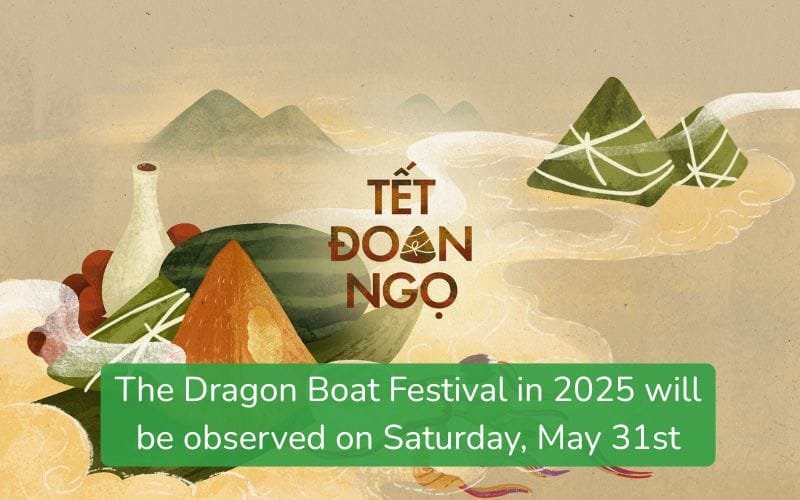
In the flow of Vietnamese culture, “what is the Double Fifth Festival on May 5th?” is always a special concern. This is the Doan Ngo Festival, an important holiday often associated with the custom of exorcism and health protection. In 2025, the Doan Ngo Festival will take place on May 31, 2025, according to the Gregorian calendar. Let Kamereo explore the detailed origin and cultural value of this mid-year festival below!
What is the Double Fifth Festival on May 5th?
The Doan Ngo Festival, which takes place annually on the 5th day of the 5th lunar month, is also known as the Doan Duong Festival. In Sino-Vietnamese, “Doan” means “beginning” or “opening,” while “Ngo” refers to midday, when yang energy is at its peak. Therefore, Doan Duong Festival implies the beginning of the time when yang energy reaches its peak during the year.
In Vietnam, this holiday also has the folk name “Tet Giet Sau Bo” (Pest-Killing Festival), reflecting an agricultural cultural aspect. Not only in Vietnam and China, but the Doan Ngo Festival is also celebrated in Korea, indicating that it is a festival custom with a strong East Asian cultural imprint, associated with the changes and cycles of the weather throughout the year.
In 2025, the Doan Ngo Festival, or the 5th day of the 5th lunar month, will fall on Saturday, May 31st, Gregorian calendar.
The Legend of the Doan Ngo Festival
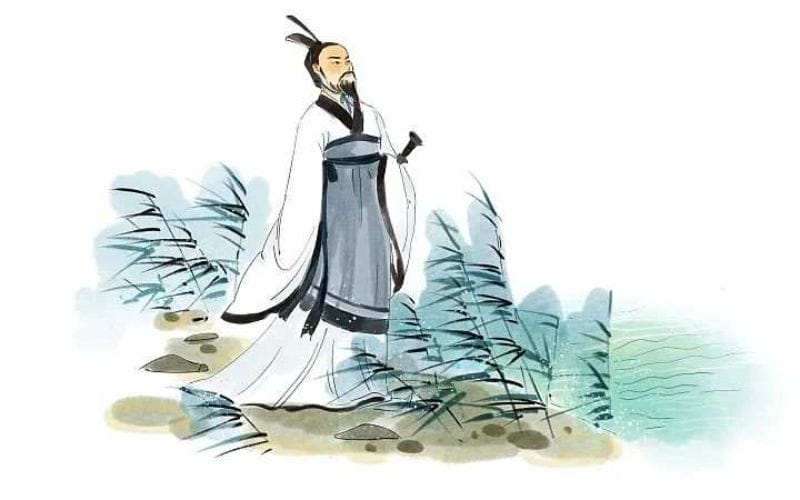
The Doan Ngo Festival originated from a folk tale about a bountiful year. As people were celebrating the upcoming harvest, an unexpected plague of pests struck, destroying crops and spreading anxiety throughout the community. In the midst of this difficulty, a strange old man named Doi Truan appeared, bringing a miraculous solution to this disaster.
Mr. Doi Truan instructed the people to prepare offerings for the 5th day of the 5th lunar month, the time when pests were most rampant. The offerings included banh tro (ash cake) and fresh fruits. Following his instructions, the people sincerely performed the ritual. Strangely, afterward, the pests gradually weakened and died off, bringing peace back to the fields. Overjoyed, the people wanted to express their gratitude, but the old man had vanished without a trace.
To commemorate Mr. Doi Truan’s, the people maintained the custom of offering sacrifices on the 5th day of the 5th lunar month each year. They called this day the Doan Ngo Festival, with “Doan” meaning “beginning” and “Ngo” referring to the time of the offering, from 11 AM to 1 PM. Over time, this holiday also became known by other names such as Doan Duong Festival or Pest-Killing Festival, reflecting the profound meaning of triumphing over natural disasters and praying for a bountiful harvest.
The Significance of the Doan Ngo Festival
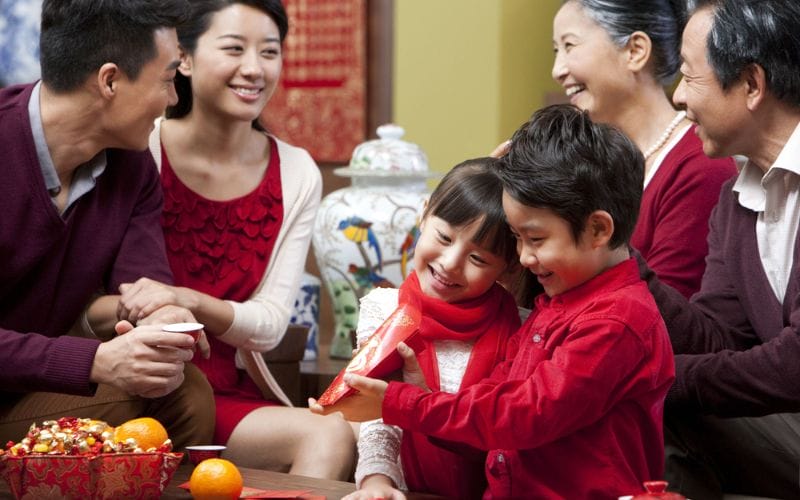
In the past, the Doan Ngo Festival held the meaning of eliminating pests and protecting crops. However, in modern society, this holiday is also an important occasion for family reunion. The hectic pace of life draws people into their worries, causing family bonds to gradually fade, replaced by messages or hurried phone calls.
Therefore, the Doan Ngo Festival becomes an “excuse” for people to temporarily set aside busy work, and even if they are far away, to return home. This is a precious time for everyone to enjoy a warm family meal together, relax, and rejuvenate after stressful working days.
What Does the Doan Ngo Festival Offering Tray Include?
In the solemn atmosphere of the Doan Ngo Festival, preparing the offering tray is an indispensable part, showing reverence for ancestors and deities. However, the ingredients and arrangement of the offering tray may vary depending on the locality and the purpose of the offering:
Ancestral Offering Tray
The Ancestral Offering Tray during the Doan Ngo Festival can be slightly modified to both preserve traditional features and suit the spirit of this special festival:
- A vegetarian meal: Prioritize light, non-slaughtering dishes such as vegetable soup, braised tofu, stir-fried mushrooms, etc.
- Sticky rice and vegetarian cakes: Choose five-color sticky rice or red gac sticky rice, banh tro, banh u – characteristic dishes of the Doan Ngo Festival.
- Three cups of three-color wine (white, red, yellow): Each cup of wine is mixed with a little realgar, symbolizing the expulsion of evil spirits.
- Nine red gerbera flowers: Arranged among the fruit tray, symbolizing good luck and auspiciousness.
- Three cups of three-flavored tea: You can choose lotus tea, ginger tea, jasmine tea – both refreshing and harmonizing the five elements.
- Five-color fruit tray: Choose five flavors: spicy (chili), sour (kumquat), bitter (kho qua – bitter melon), salty (salt/salted dried apricot), sweet (custard apple, banana…).
- Votive papers: Including gold ingots, gold leaves, gold boats, and can add a small amount of underworld money to show sincerity.
Doan Ngo Festival Offering Tray by Region
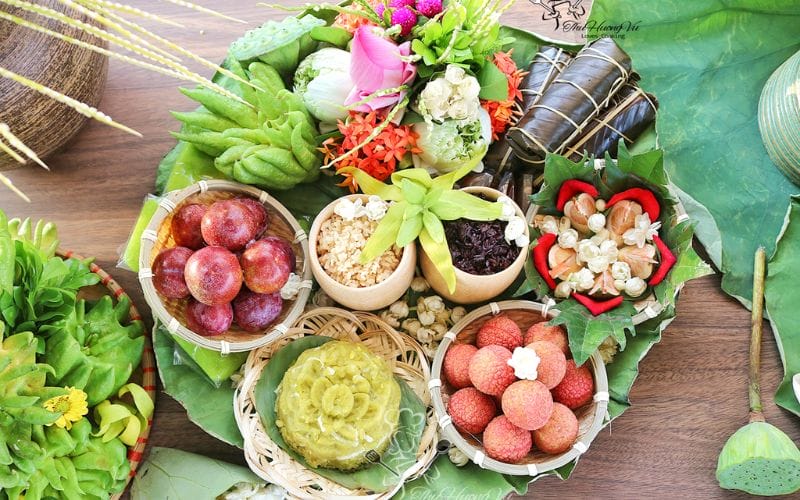
Although sharing the common meaning of praying for peace and a bountiful harvest, the Doan Ngo Festival offering trays in different regions of Vietnam have their own unique characteristics. This difference is clearly expressed through the selection and arrangement of offerings, reflecting the cultural characteristics and local products:
Northern Region
People in the Northern region believe that on the 5th day of the 5th lunar month, intestinal parasites often emerge and harm health. To repel them, they prepare dishes such as com ruou nep cai hoa vang (fermented sticky rice with yellow flower glutinous rice), ruou nep cam (fermented black sticky rice wine), and banh tro. These dishes are not only refreshing but also have the effect of helping to eliminate pests in the body.
Central Region
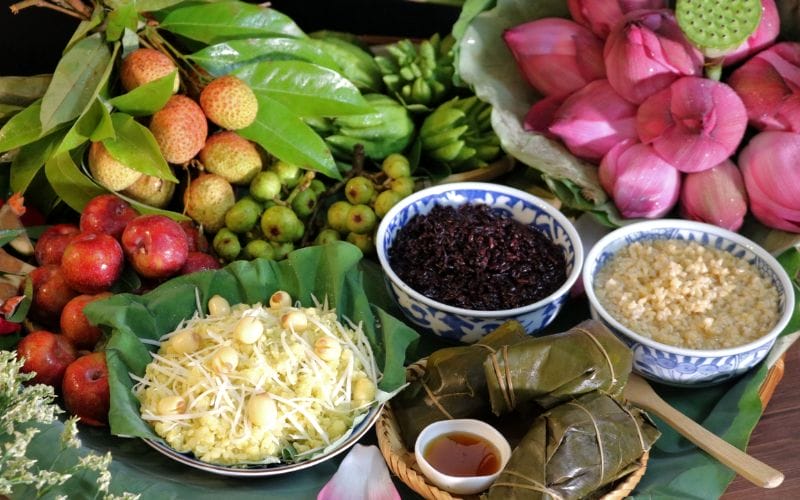
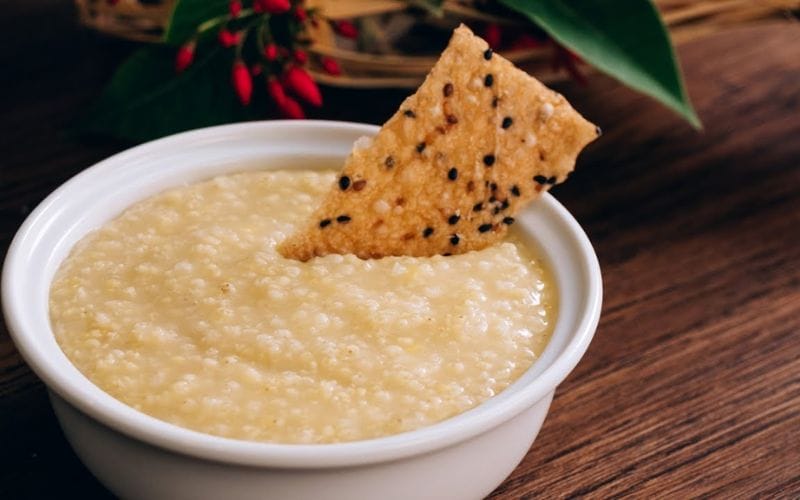
Sharing the same concept of exorcising evil spirits and eliminating pests as people in the Northern region, the offering tray of people in the Central region has an additional distinct nuance. In addition to com ruou and banh tro, they also prepare duck meat and che ke (millet sweet soup) – dishes believed to help cool down and detoxify in the early summer weather, while also reflecting the rich culinary culture of the Central region.
Southern Region
If the Northern region prefers the strong taste of wine, and the Central region has rich meat flavors, then people in the Southern region lean towards sweetness in their offering tray. On the Doan Ngo Festival, they often display com ruou, Bá Trạng banh u with diverse leaf wrappers, and che troi nuoc (floating sweet rice dumplings). These dishes not only carry traditional meanings but also express the harmony and gentleness of Southern cuisine.
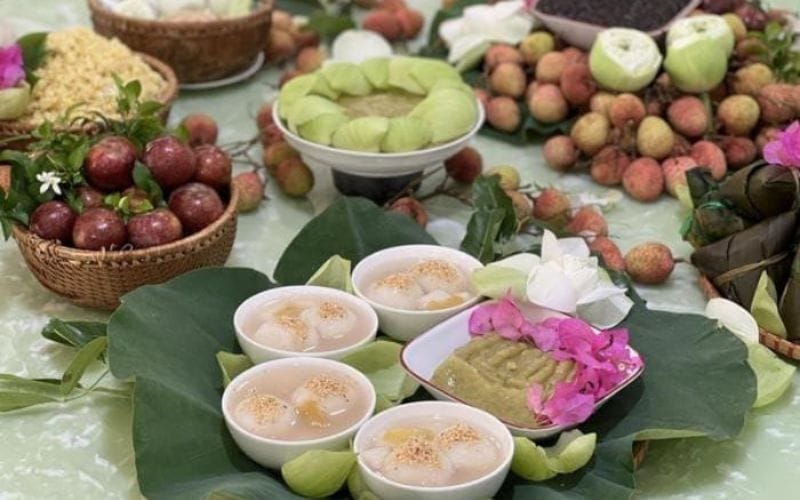
Customs on Doan Ngo Festival
The Doan Ngo Festival is not only an occasion to commemorate but also a time to practice unique customs. From “khảo cây” (tree inspection) at the exact Ngo hour, people also maintain the habit of eating seasonal fruits, sipping fermented sticky rice wine, enjoying duck meat, and banh u tro:
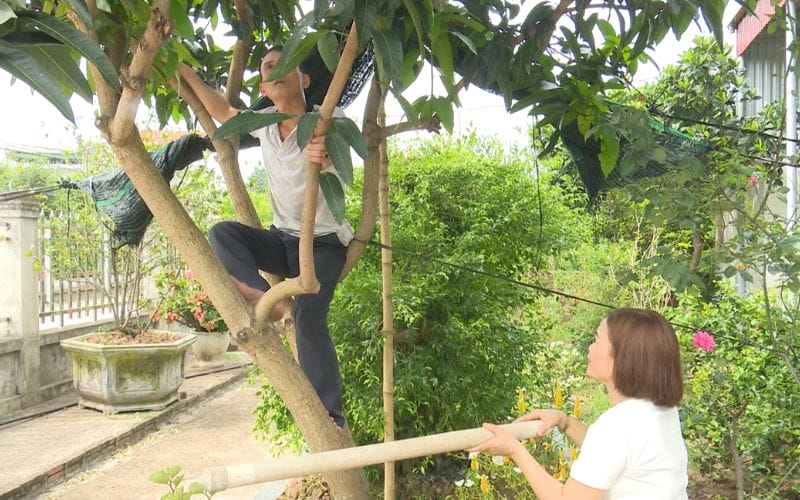
“Khảo cây” at Ngo Hour
At exactly 12 PM on the Doan Ngo Festival, many families perform the ritual of “khảo cây,” with the desire for trees to bear more fruit in the next season. At this time, one person climbs up and plays the role of the tree, while the other person below questions and threatens if the tree does not bear fruit. This fun ritual means to drive away bad things and pray for a prosperous and abundant harvest.
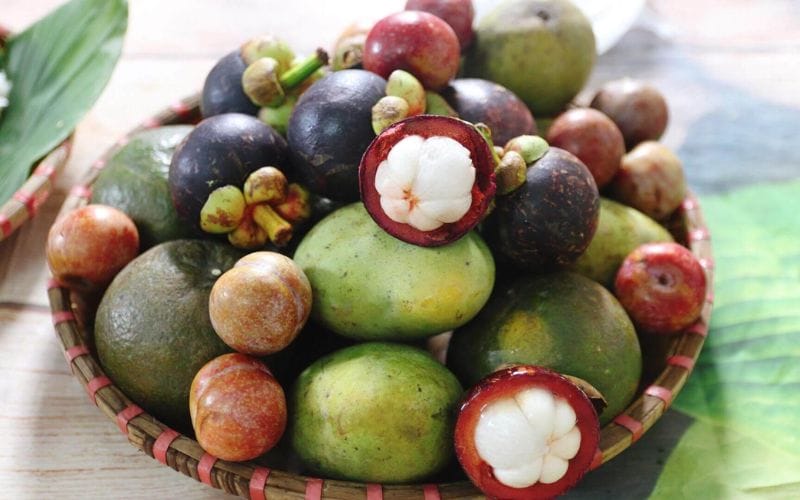
Eating Fruits
The Doan Ngo Festival is also an occasion for Vietnamese people to enjoy seasonal fruits such as plums, mangoes, oranges, grapefruits… to cleanse the body and eliminate germs. Not only delicious food, fruits also symbolize fertility and reproduction. On the ancestral offering tray, fruits contribute to expressing the aspiration for a prosperous and fulfilling life.
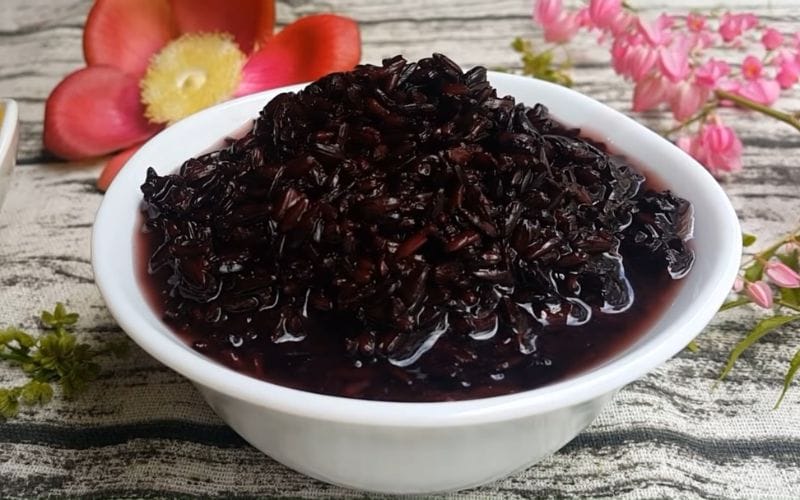
Eating Fermented Black Sticky Rice
Com ruou nep cam (fermented black sticky rice) is a traditional dish on the Doan Ngo Festival, made from fermented black glutinous rice, with a characteristic sweet taste. Folk belief holds that fermented rice has many health benefits such as nourishing the body, quenching thirst, and treating night sweats. On this day, family members often enjoy com ruou together after waking up, with the desire to ward off illness and welcome a healthy body full of energy.
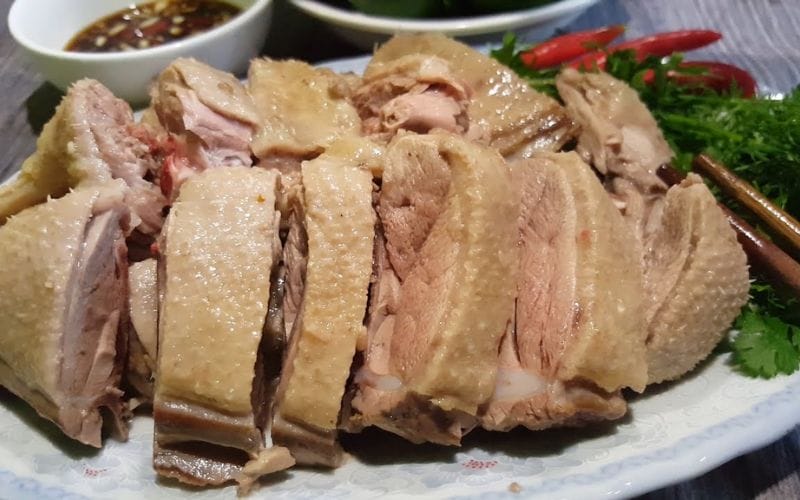
Eating Duck Meat
The Doan Ngo Festival takes place in the hot summer, so ancient people chose duck meat as a refreshing dish. According to Oriental medicine, duck meat has the effect of cooling down and nourishing blood and qi, which is very suitable for nourishing the body. The custom of eating duck meat on this occasion helps balance yin and yang, and also shows concern for the family’s health.
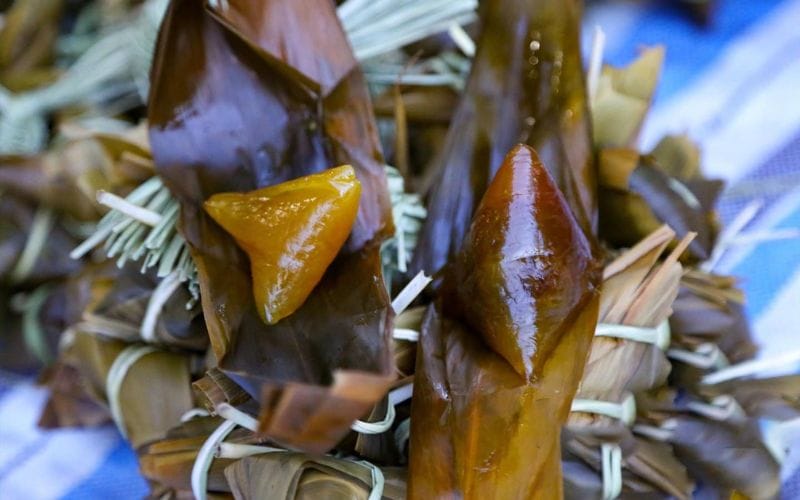
Eating Banh U Tro
Banh u tro is a characteristic dish of the Doan Ngo Festival, made very elaborately with fragrant sticky rice soaked in lye water and dong leaves for wrapping. The cakes are boiled in clusters of 7-10, forming a gathering tray for the family. This cake is not only delicious but also carries the meaning of reunion and connecting generations, creating a warm and joyful atmosphere on this traditional holiday.
Good Doan Ngo Festival Wishes
Here is a collection of good and meaningful wishes for the Doan Ngo Festival, expressing care, love, and wishes for peace and good luck to family, friends, and colleagues:
- Wishing my family a peaceful Doan Ngo Festival, may good luck and good things always come!
- Doan Ngo is here, wishing you and your loved ones always healthy, peaceful, and achieve much success in life.
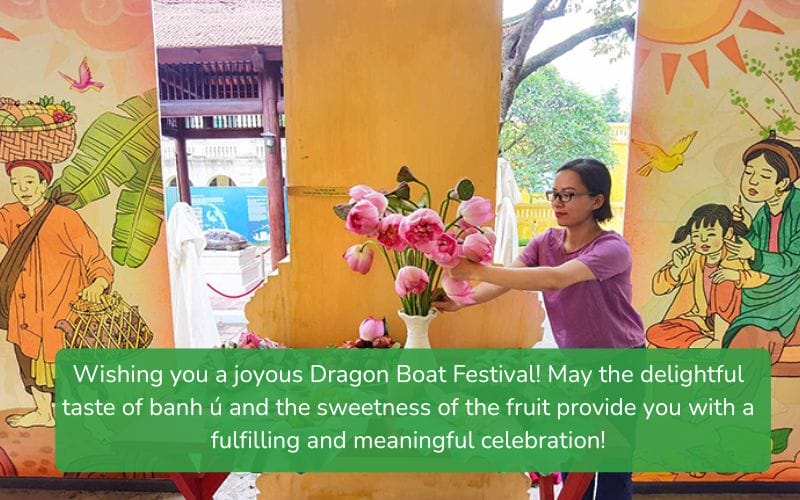
- Happy Doan Ngo Festival! May the strong flavor of banh u, the sweet and refreshing taste of fruits bring you a truly complete and meaningful holiday.
- On the occasion of the Doan Ngo Festival, I wish my parents always healthy, happy, and forever a strong support for us.
- Wishing you a warm and happy Doan Ngo Festival with family and friends. May all the best come to you.
- This Doan Ngo Festival, I wish you success in “pest killing,” may all difficulties vanish, leaving only joy and prosperity.
- Sending you the best wishes on Doan Ngo Festival. Wishing you always full of energy and achieve all your dreams.
- Happy Doan Ngo Festival! Hope you have memorable moments with your loved ones.
- In the bustling atmosphere of the Doan Ngo Festival, I wish you a very joyful, happy, and prosperous holiday.
- May the Doan Ngo Festival be filled with love, wishing you and your family always reunited, happy, and prosperous!
Frequently Asked Questions
Why is the Doan Ngo Festival called the Pest-Killing Festival?
The Doan Ngo Festival takes place in the middle of summer, a time when pests and diseases proliferate and affect crops. Ancient people believed that eating and offering sacrifices early in the morning on this day would help “kill pests” in the body and protect health.
Who does the Doan Ngo Festival commemorate?
The Doan Ngo Festival is an occasion to commemorate Mr. Doi Truan, who helped the people eliminate pests that destroyed crops. According to legend, on the 5th day of the 5th lunar month, he instructed the people to offer banh tro and fruits to ward off disaster. Thanks to his merits, the people maintain the annual offering ceremony to express gratitude and remember his kindness.
What do people usually do on Doan Ngo Festival?
On this day, people often wake up early, bathe with scented leaves, eat traditional dishes such as fermented sticky rice and fruits, and perform ancestral worship to pray for health, peace, and good harvest, while also dispelling evil spirits and diseases.
What should be eaten on Pest-Killing Day?
Vietnamese people often eat fermented sticky rice, sour fruits like plums, lychees, mangoes… to eliminate “pests” in the body. These are considered warm dishes that aid digestion and have antiseptic properties according to folk beliefs.
What are the offerings for Doan Ngo Festival?
The Doan Ngo Festival offering tray usually includes fermented sticky rice, seasonal fruits (lychees, plums, bananas…), banh tro, sweet soups, and fresh flowers. Each region has different customs but all carry the meaning of praying for health and warding off diseases and evil spirits.
Conclusion
The article above has helped you understand what is the Double Fifth Festival on May 5th along with the unique traditional customs and meanings surrounding this holiday. Hopefully, the shared information will provide you with a richer perspective on Vietnamese folk culture. To explore more useful knowledge, don’t forget to regularly visit Kamereo’s Festival section!
See more: