


 0812 46 37 27




If you are looking for a simple and cost-effective way to grow napa cabbage, then planting in Styrofoam boxes is an ideal choice. You don’t need a large area; with just a few preparatory steps and basic care techniques, you will have a clean vegetable garden for your whole family. Don’t miss the specific guide that Kamereo shares below to start your at-home gardening journey today!
Information to Know Before Growing Napa Cabbage
Before you start planting, you need to understand the characteristics of napa cabbage, including its growth habits, suitable varieties, soil, and conditions. Thorough preparation from the beginning will help the plants grow stably, reduce pests and diseases, and yield a high harvest:
Growth Conditions
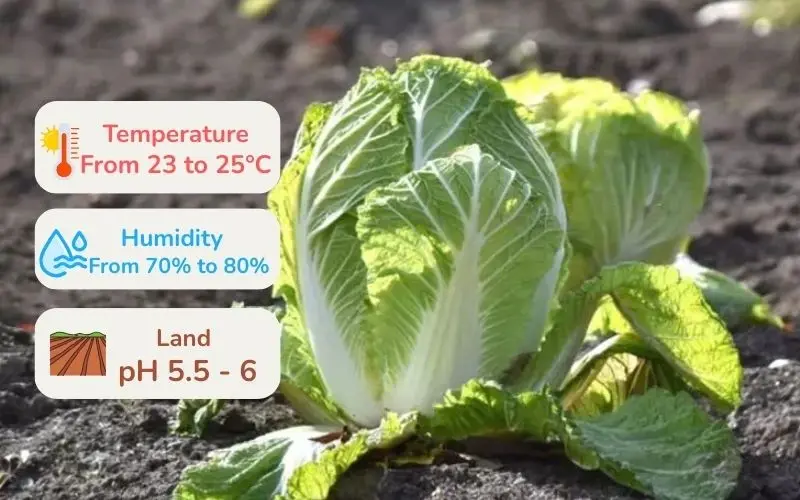
Napa cabbage is a sun-loving plant that is easy to grow, has a short cultivation period, and can be planted multiple times a year. For napa cabbage to grow well, you need to understand the following growth conditions:
- Temperature: The ideal temperature for napa cabbage to grow and develop is between 23 – 25°C. In the climate of Northern Vietnam, you should plant from August to October. In Southern Vietnam, the suitable planting season is from July of this year to April of the following year. Especially in Da Lat, you can grow napa cabbage year-round.
- Humidity and Light: This type of plant requires constant humidity, about 70 – 80% to achieve high yields. Napa cabbage prefers long daylight hours, but in the early stages, it needs to be shaded from harsh sunlight to prevent wilting.
- Soil: Napa cabbage can be grown in many different types of soil, but the most suitable is light, loamy, loose, humus-rich soil with good drainage. The ideal soil pH is 5.5 – 6.
Napa Cabbage Varieties
To get a high-yield napa cabbage crop, you need to prepare good seeds or seedlings. You can buy seedlings from reputable nurseries or sow seeds yourself. Here are some things to keep in mind when choosing:
- Choosing Seedlings: Whether buying seedlings or growing your own, choose healthy plants without deformities. Standard seedlings should have white roots, well-developed tops, and no signs of pests or diseases.
- Buying Seeds: If you are growing from seed, you should buy seeds from reputable stores with clear origins to ensure a high germination rate and good plant growth.
Napa Cabbage Soil
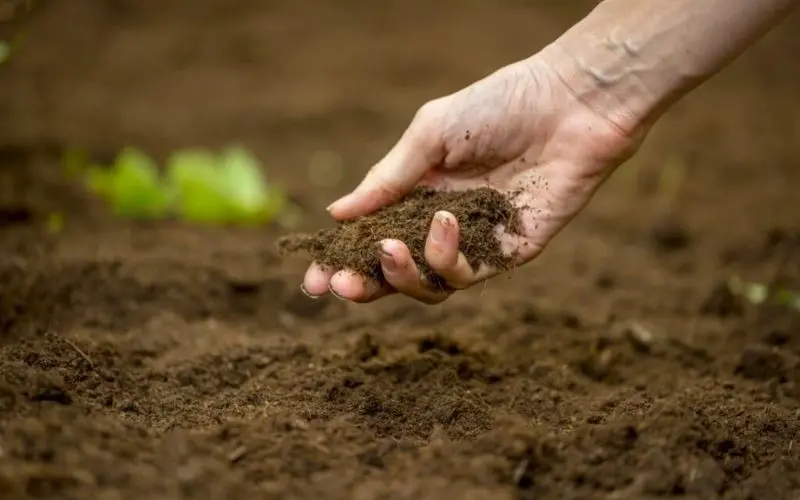
Soil is a key factor in the success of your crop. Choose loose, light, humus-rich soil with a thick topsoil layer and good drainage. Before planting, you should sun-dry the soil for 1 – 2 weeks to kill lingering fungi and pathogens from previous crops.
How to Grow Napa Cabbage in Styrofoam Boxes
Growing napa cabbage in Styrofoam boxes is an excellent solution for anyone who wants to take advantage of small spaces at home while still having a source of clean, safe vegetables. This method doesn’t require a lot of care; you just need to prepare everything correctly, from seeds and soil to the necessary tools. Below are the specific steps to help you get started easily at home:
Prepare Your Tools
To begin growing napa cabbage in Styrofoam boxes, you need to prepare the following basic tools and materials:
- Styrofoam box with a minimum height of 30cm
- Treated, clean soil
- Napa cabbage seeds
- Necessary gardening tools

Soak the Seeds
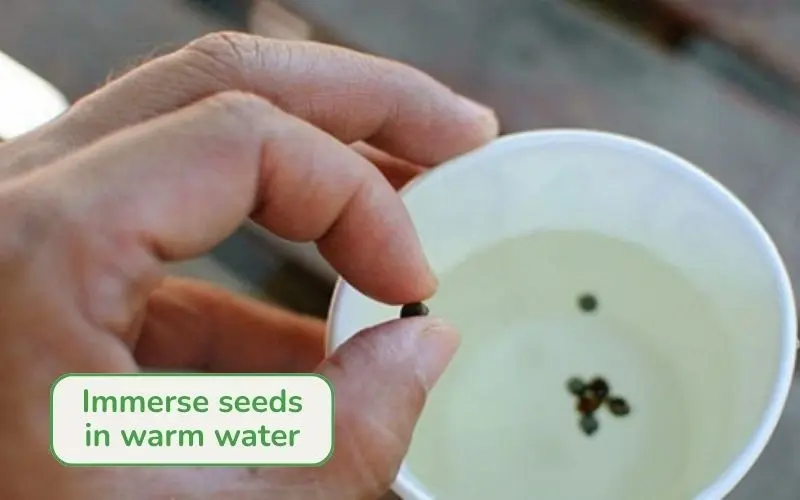
Soak the seeds in warm water at about 50°C for 30 minutes. Warm water helps to kill some of the pathogens on the surface of the seeds and stimulates faster germination. After soaking, remove the seeds and let them dry before planting.
Prepare the Soil
About a week before planting, you should mix the soil with coconut coir, charred rice husks, and vermicompost. Then, dry the soil in the sun for 1 – 2 days to kill pathogens. If you want to save time, you can use pre-mixed, specialized soil for leafy greens.
Sow the Seeds
Sowing seeds with the right technique will help the seedlings grow strong, laying the foundation for a bountiful harvest:
- Sowing: Prepare the seedling soil, water to create moisture, and level the surface. Sow 2 seeds per hole, with a distance of 3 – 5cm between holes. Then, cover them with soil and water daily to maintain moisture.
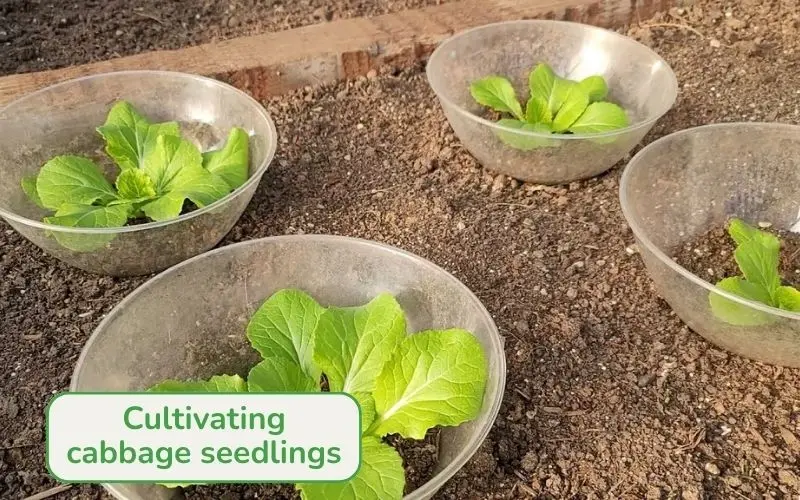
- Caring for Seedlings: Place the seedling tray in a cool place with gentle sunlight. During the first 15 days, you can use a net to provide shade and reduce the impact of heavy rain and harsh sun. After that, you can supplement nutrition by watering with diluted manure or organic fertilizer to help the seedlings grow quickly.
Transplanting Seedlings
When the seedlings have 4 – 5 true leaves, select the strong plants with healthy green leaves and no signs of pests or diseases to transplant. Poke a small hole, place the root ball into the hole, pack the soil firmly around the base, and ensure a spacing of 25 – 30cm between plants. After transplanting, water thoroughly and provide shade from direct sunlight until the plants recover.
How to Care for Napa Cabbage
Once the napa cabbage takes root and grows stably, the care phase will determine the yield and quality of the harvest:
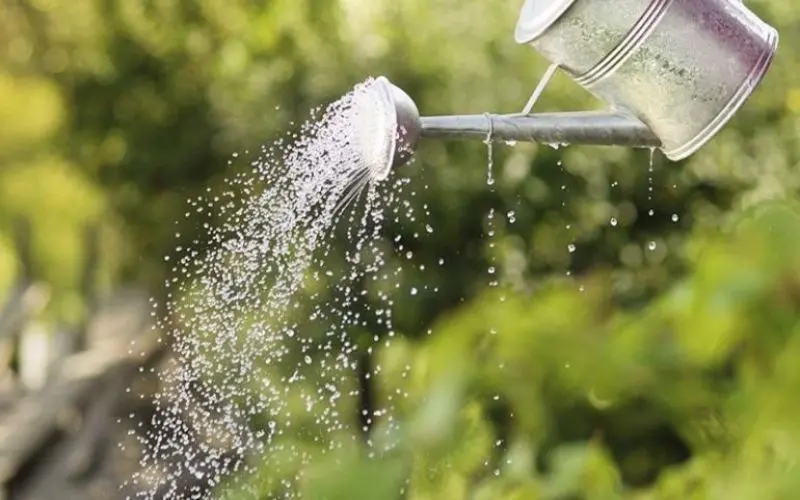
Watering
Napa cabbage is a moisture-loving plant but is also very sensitive to waterlogging. Therefore, the watering schedule needs to be adjusted according to each growth stage:
- During the first 1 – 2 weeks after transplanting, water thoroughly to help the plants take root and recover quickly.
- Once the plants are established, reduce the amount of water, keeping the soil moist but avoiding prolonged water accumulation in the Styrofoam boxes or on the beds.
- During the dry season, you can water 1 – 2 times/day depending on the weather. During the rainy season, only water when the soil shows signs of drying out, and ensure quick drainage to prevent root rot.
- It is best to water with a gentle spray nozzle or a drip irrigation system, which saves water and prevents soil erosion around the roots.
Weeding
Weeds are a “direct competitor” for nutrients with napa cabbage, and they also provide a home for many pests and diseases. Therefore, regular weeding is necessary:
- Regularly check the garden and pull out weeds around the base of the plants and between the rows while they are still young.
- Combine weeding with gentle tilling of the soil to keep it loose, which helps the roots grow stronger and the plants grow faster.
- Be careful with the process; avoid breaking young roots or tilling the soil too deep, which can make the plants unstable.
- With the Styrofoam box model, manual weeding is simple but requires patience to ensure the plants don’t have to compete for nutrients.
Fertilizing
Napa cabbage is a short-season vegetable that requires a significant amount of nutrients for its leaves to form a head. Therefore, the fertilizing regimen should be divided into smaller applications for each stage:
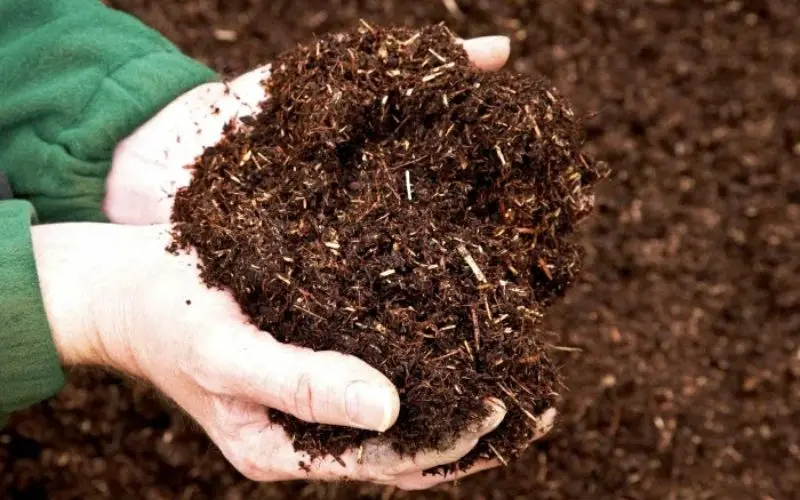
- Prioritize Organic Fertilizer: If growing at home, you should use vermicompost, well-rotted manure, or fish fertilizer, which are safe and produce a clean product. You can water once every 10 – 12 days for good absorption.
- Controlled Inorganic Fertilizing: For large-scale farming, you should divide the fertilization into 3 – 4 applications. The first is when the plants take root and recover, the second is when the plants start to form a head, and the third is about 12 – 14 days later. You can also consider combining NPK, nitrogen, and potassium fertilizers in appropriate amounts.
- Supplemental Foliar Feeding: In addition to root fertilization, spray foliar fertilizers like Atonik, Humate, or micronutrients to increase the plant’s resistance, make the leaves lush green, and form a tight head.
Note: After each application of fertilizer, you should water with clean water to prevent fertilizer from sticking to the leaves, which can cause leaf burn and affect product quality.
Pest and Disease Control
To control pests and diseases on napa cabbage, you need to sanitize the field, prepare the soil thoroughly, practice proper crop rotation or intercropping, remove plant residues, and use biological methods to protect natural predators. For diamondback moths, flea beetles, cutworms, armyworms, and aphids, you can use selective chemical pesticides (Azadirachtin, Abamectin, Garlic juice). For soft rot, leaf blight, and ring spot disease, you need to treat the seeds, plant healthy seedlings, apply balanced fertilizer, and destroy diseased plants.
Harvesting
Approximately 2 – 3 months after sowing, the napa cabbage will start to form a tight head and can be harvested. At this point, you should use a sharp knife to cut it close to the base, and remove the outer old leaves to keep the vegetable fresh for longer. The remaining base can grow a new crop if cared for correctly. After cutting, you can sort the cabbage by size, weight, and leaf quality, which is convenient for storage and makes it easy to set an appropriate price for each type.
Kamereo – A Supplier of Fresh, High-Quality Napa Cabbage at a Good Price
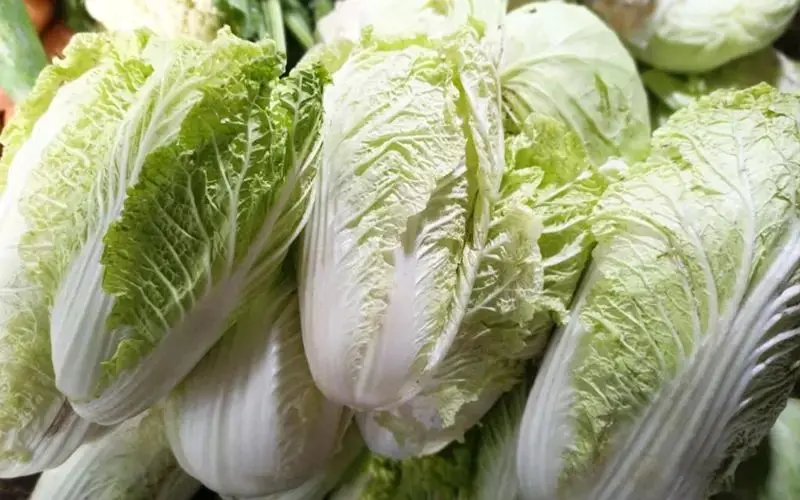
Kamereo is a reputable wholesale platform for fruits and vegetables, always accompanying F&B businesses in their search for fresh and safe ingredients. Through partnerships with certified farms, every bunch of napa cabbage at Kamereo is freshly harvested daily, ensuring it is always clean, uniform in quality, and safe for consumers.
Buy fresh, high-quality napa cabbage with full invoices at Kamereo:
Napa Cabbage
15,000đ/KILOGRAM
19,500đ/KILOGRAM
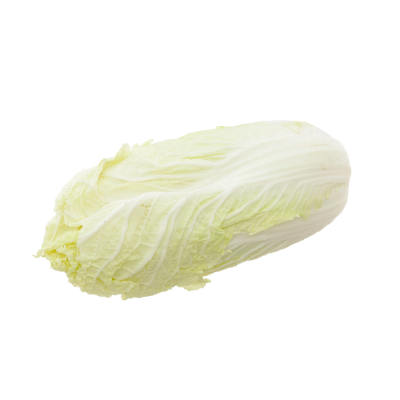
Napa Cabbage Da Lat Grade 1
21,000đ/KILOGRAM
24,500đ/KILOGRAM
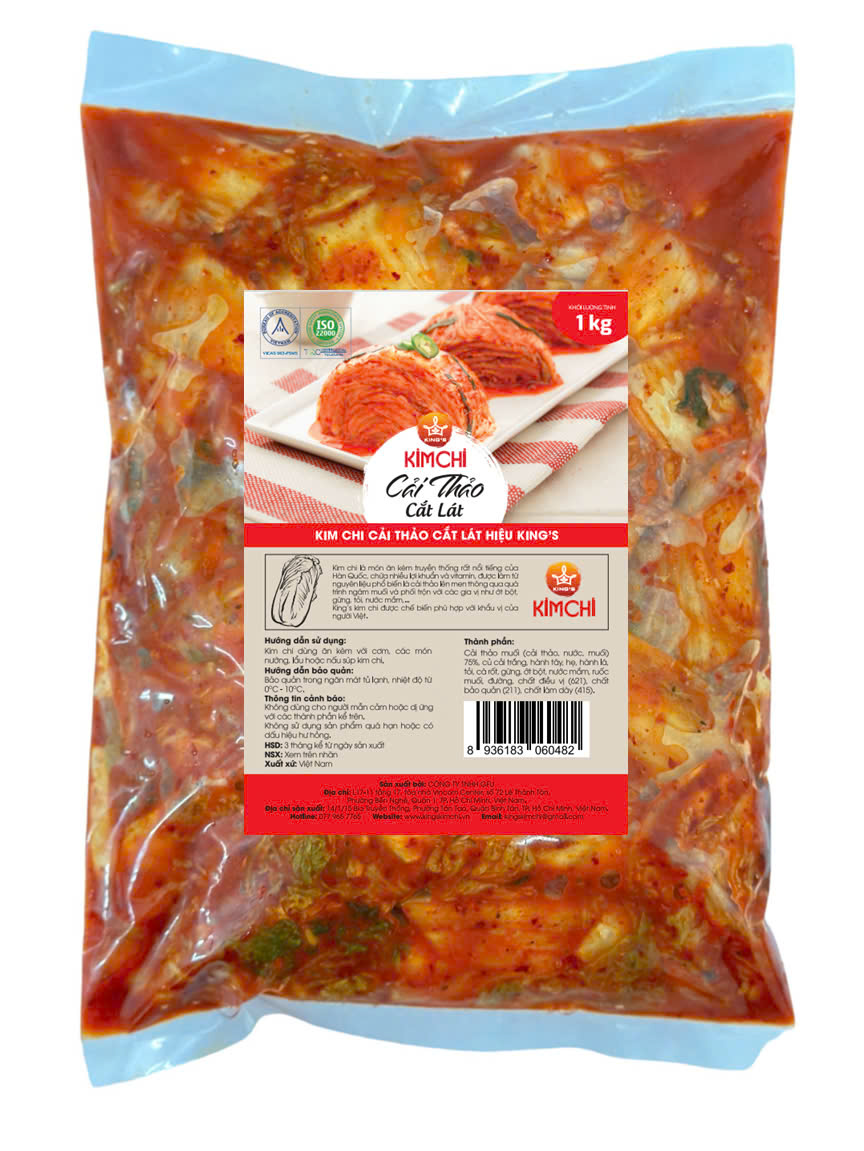
King's Sliced Napa Cabbage Kimchi 1kg
51,500đ/PACK
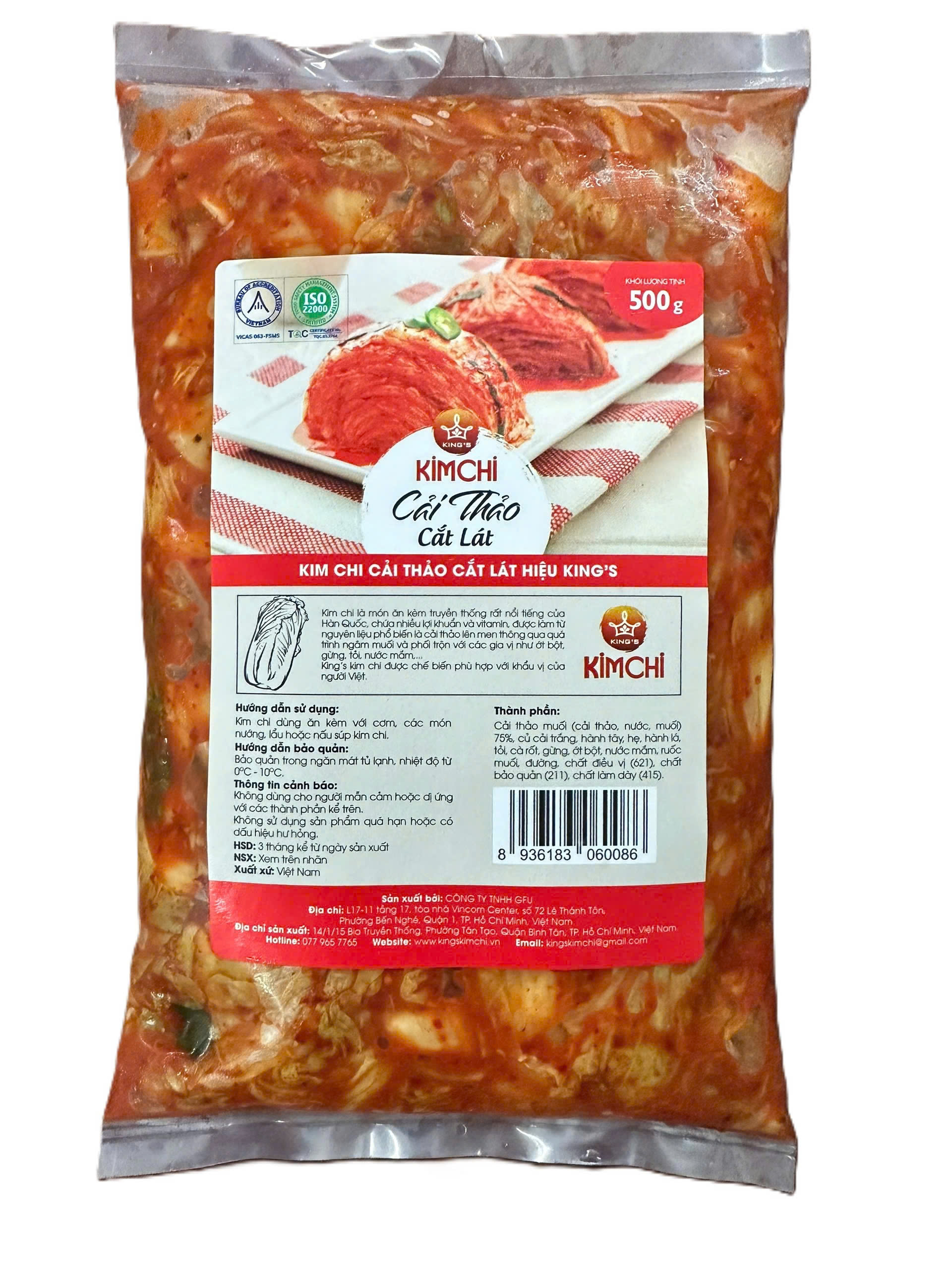
King's Sliced Napa Cabbage Kimchi 500g
27,500đ/PACK
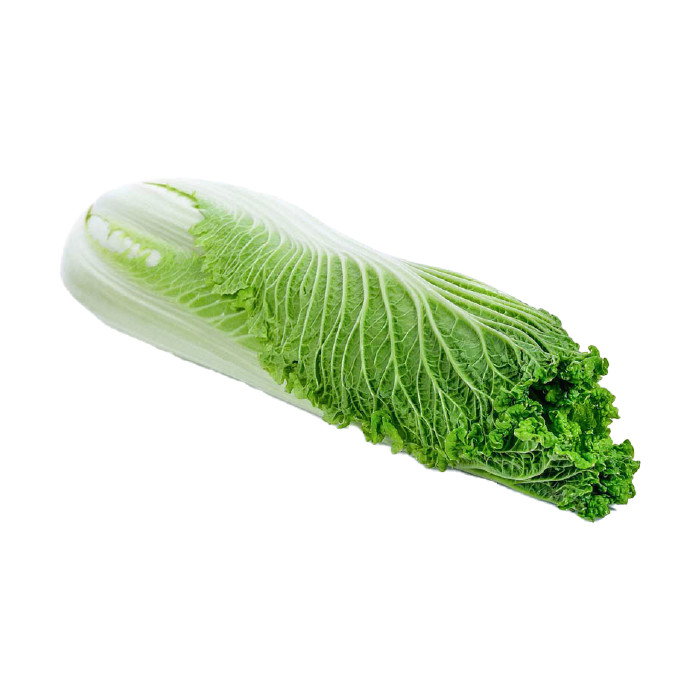
Rocket Napa Cabbage Da Lat
36,000đ/KILOGRAM
40,500đ/KILOGRAM
In addition to product quality, Kamereo also offers convenience in order and cost management. When businesses buy napa cabbage here, they will receive a complete electronic VAT invoice, automatically generated by the system, which saves time, ensures financial transparency, and simplifies accounting work.
Besides napa cabbage, Kamereo currently offers over 3,000+ diverse products for the F&B industry, including fruits, vegetables, frozen foods, beverage ingredients, and kitchen tools. All are integrated on a single platform, allowing customers to place flexible orders, optimize their purchasing process, and maintain a stable supply.

Furthermore, Kamereo stands out with its modern cold storage system and professional delivery service. Customers can place an order until midnight and still receive fresh, fast, and complete ingredients before 6 AM the next morning. This dedication and flexibility help Kamereo not only maintain product quality but also support F&B businesses in operating efficiently, continuously, and sustainably.
Conclusion
This is a detailed guide on way to grow napa cabbage at home in Styrofoam boxes, which is both simple and effective. We hope this article helps you gain more experience to personally care for and harvest clean vegetables for your family. Don’t forget to follow Kamereo’s Food and Lifestyle section to discover many other useful tips!
See more: