

 0812 46 37 27




In the journey to conquer an ideal physique, alongside high-intensity workouts, building a suitable muscle gain and fat loss meal plan is an indispensable factor. A well-structured nutrition plan not only provides enough energy for your workouts but also promotes muscle development and burns excess fat. Explore the details with Kamereo below to apply it to your diet right away!
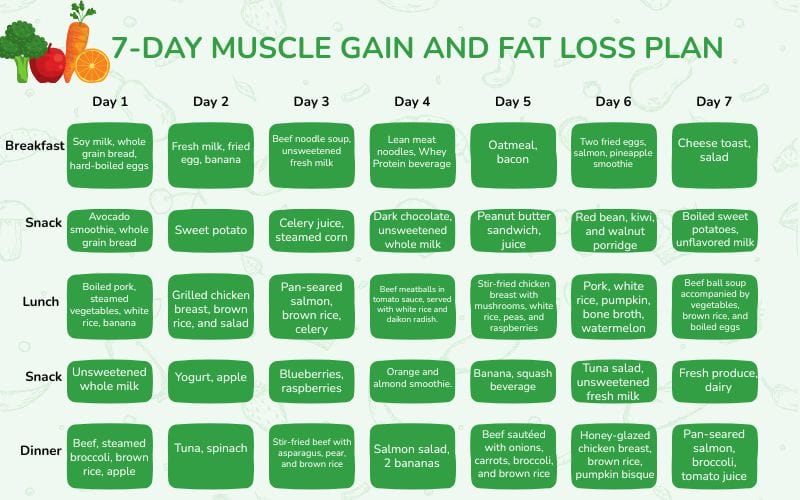
7-Day Muscle Gain and Fat Loss Meal Plan
To provide a diverse and useful reference, here is a scientifically designed 7-day nutrition plan to effectively support muscle gain and fat loss, suitable for a wide range of individuals:
Day 1
|
Meal |
Menu |
Nutritional Information |
|
Breakfast |
Soy milk, whole-grain bread, boiled egg |
|
|
Snack 1 |
Avocado smoothie, whole-wheat bread |
|
|
Lunch |
Boiled pork, boiled greens, white rice, banana |
|
|
Snack 2 |
Unsweetened milk |
|
|
Dinner |
Beef, steamed cauliflower, brown rice, apple |
|
Day 2
|
Meal |
Menu |
Nutritional Information |
|
Breakfast |
Milk, sunny-side-up eggs, banana |
|
|
Snack 1 |
Sweet potato, boiled peas |
|
|
Lunch |
Grilled chicken breast, brown rice, salad |
|
|
Snack 2 |
Yogurt, apple |
|
|
Dinner |
Tuna, spinach |
|
Day 3
|
Meal |
Menu |
Nutritional Information |
|
Breakfast |
Beef pho, unsweetened milk |
|
|
Snack 1 |
Celery juice, boiled corn |
|
|
Lunch |
Pan-seared salmon, brown rice, celery |
|
|
Snack 2 |
Blueberries, raspberries |
|
|
Dinner |
Stir-fried beef with asparagus, pear, brown rice |
|
Day 4
|
Meal |
Menu |
Nutritional Information |
|
Breakfast |
Rice vermicelli with lean pork, Whey Protein |
|
|
Snack 1 |
Dark chocolate, unsweetened milk |
|
|
Lunch |
Meatballs in tomato sauce, white rice, radish |
|
|
Snack 2 |
Orange smoothie, almonds |
|
|
Dinner |
Salmon salad, 2 bananas |
|
Day 5
|
Meal |
Menu |
Nutritional Information |
|
Breakfast |
Oatmeal, bacon |
|
|
Snack 1 |
Peanut butter toast, tomato juice |
|
|
Lunch |
Stir-fried chicken breast with mushrooms, white rice, peas, raspberries |
|
|
Snack 2 |
Banana, winter melon juice |
|
|
Dinner |
Stir-fried beef with onions, carrots, broccoli, brown rice |
|
Day 6
|
Meal |
Menu |
Nutritional Information |
|
Breakfast |
2 sunny-side-up eggs, salmon, pineapple smoothie |
|
|
Snack 1 |
Red bean porridge, kiwi, walnuts |
|
|
Lunch |
Pork, white rice, pumpkin bone soup, watermelon |
|
|
Snack 2 |
Tuna salad, unsweetened milk |
|
|
Dinner |
Honey-grilled chicken breast, brown rice, pumpkin soup |
|
Day 7
|
Meal |
Menu |
Nutritional Information |
|
Breakfast |
Toast with cheese, salad |
|
|
Snack 1 |
Boiled sweet potato, unsweetened milk |
|
|
Lunch |
Meatball and vegetable soup, brown rice, boiled egg |
|
|
Snack 2 |
Fresh fruit, cheese |
|
|
Dinner |
Pan-seared salmon, broccoli, tomato juice |
|
Notes
The nutritional figures above are relative estimates and need to be adjusted based on actual ingredient quantities and individual needs (e.g., weight, exercise frequency, specific goals). You should:
- Adjust according to specific goals: If you want to lose fat faster, you can slightly reduce carbs in the evening or snacks, and increase fiber and green vegetables.
- Pay attention to actual calorie intake: Estimate portion sizes to avoid unwanted calorie surplus.
- Stay hydrated: Drink enough water throughout the day, especially during high-intensity workouts.
- Train appropriately: The meal plan is most effective when combined with a suitable exercise regimen, including weight training for muscle gain and cardio for fat burning.
- Monitor your body: Consider adjusting your intake based on your body’s response, weight, fat percentage, and feelings of hunger and fullness.
Nutritional Principles of the Muscle Gain and Fat Loss Meal Plan
The nutritional principles of this muscle gain and fat loss meal plan fall within the “lean bulking” phase, which means gaining muscle while minimizing fat accumulation. The diet needs to ensure a slight calorie surplus (around 10–15%), prioritizing high-quality protein, complex carbohydrates, and healthy fats. Eating at regular times and dividing meals into smaller portions also helps the body absorb nutrients efficiently and maintain energy during workouts.
Increase Protein Intake
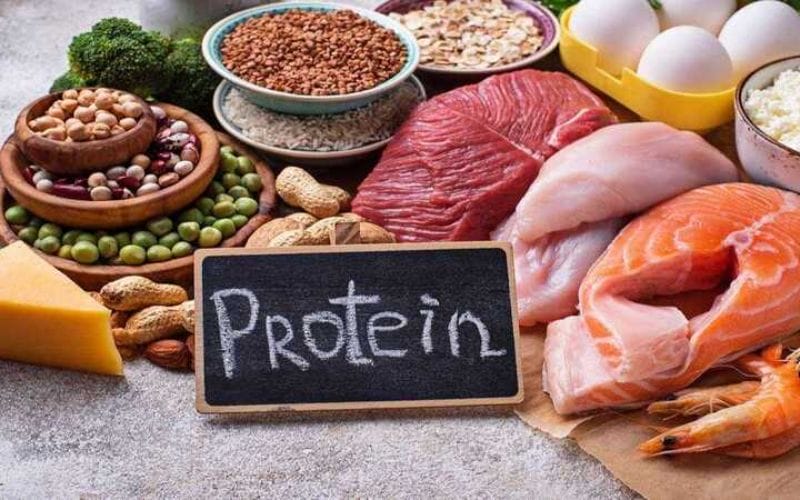
Protein provides essential amino acids that help build and repair muscles after exercise. When muscles are damaged, you need enough protein to regenerate and develop them to be firmer.
It is recommended to supplement about 1.5 – 2 grams of protein per kilogram of body weight daily, distributed evenly and after workouts to effectively support muscle gain and fat loss. Common protein sources include chicken, fish, eggs, yogurt, soybeans, and nuts.
Supplement Carbohydrates
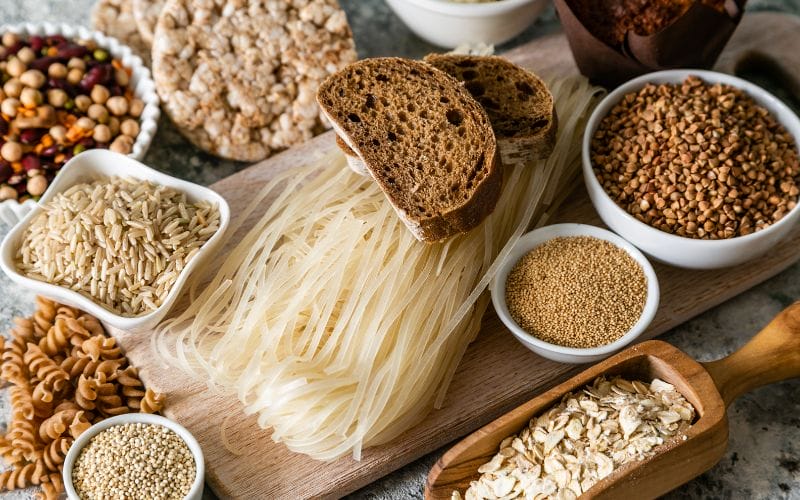
Carbohydrates play a crucial role in providing energy for the body, especially during exercise. They help produce ATP, the main energy source for muscle activity. Without enough carbohydrates, the body will use protein or fat as fuel, leading to reduced performance and hindering muscle gain.
Typically, carbohydrate intake should be maintained at 2 – 3 grams per kilogram of body weight, prioritizing complex carbohydrates like brown rice, oatmeal, sweet potatoes, and green vegetables.
Consume Healthy Fats
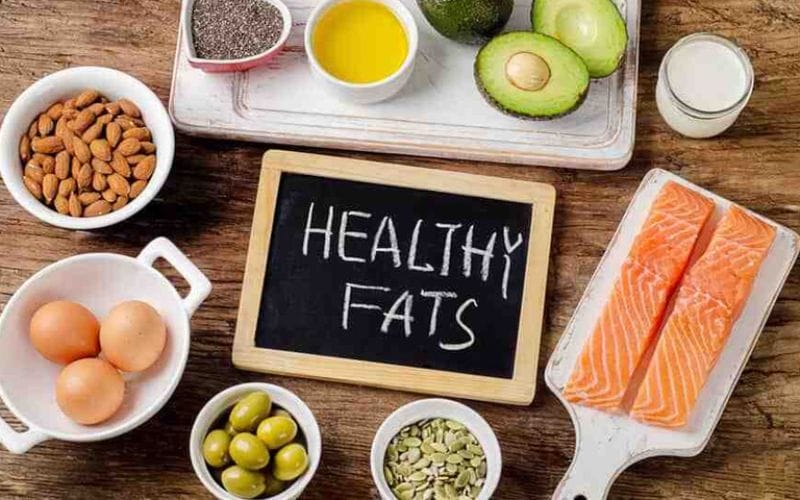
Fats are important components that help maintain healthy hormones and cell function. They aid in the absorption of vitamins A, D, E, and K, protect internal organs, and regulate body temperature.
To optimize muscle gain and fat loss, you should limit saturated fats like animal fat, butter, and fried foods. Instead, you should increase omega-3 and omega-6 intake from salmon, flaxseeds, sunflower seeds, and canola oil to protect your health and improve workout effectiveness.
Foods Suitable for a Muscle Gain and Fat Loss Diet
Optimizing workout effectiveness and body transformation requires a combination of exercise and proper nutrition. Among these, supplementing with protein-rich and low-fat foods plays a crucial role, typically including:
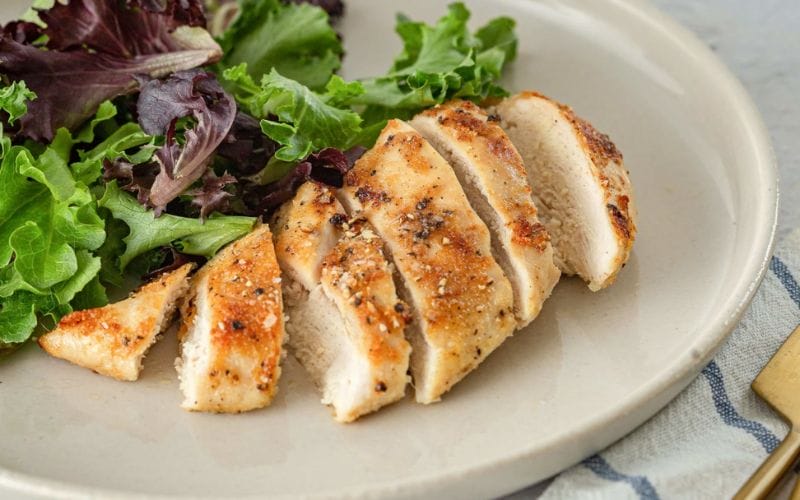
Chicken Breast
Chicken breast is a familiar and essential food in the diet of long-time bodybuilders. With its high protein content, chicken breast helps build and repair muscles quickly, supporting effective muscle gain and fat loss. In addition, B vitamins in chicken breast also help maintain stable energy, contributing to improved flexibility and endurance during sports activities.
Brown Rice
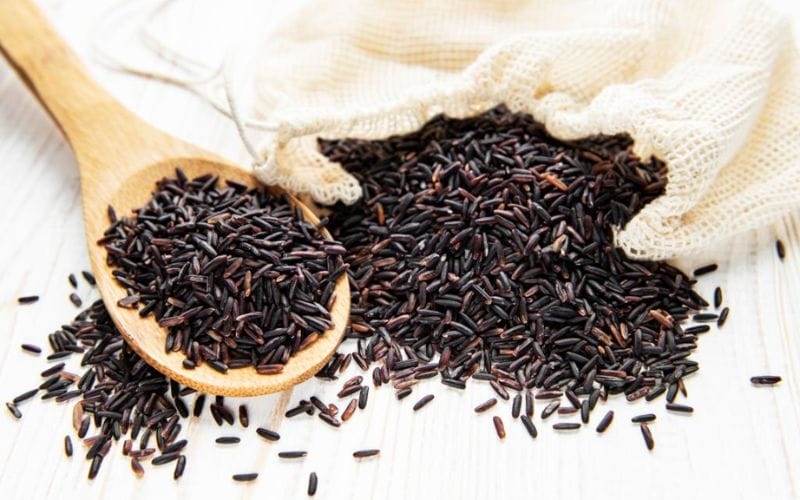
Unlike regular white rice, brown rice is highly regarded by nutrition experts for its superior fiber and nutrient content. It is an ideal food for those who want to effectively gain muscle and lose fat. Many people, especially women, have replaced white rice with brown rice in their diet and have seen positive changes not only in their physique but also in healthier skin.
Greek Yogurt
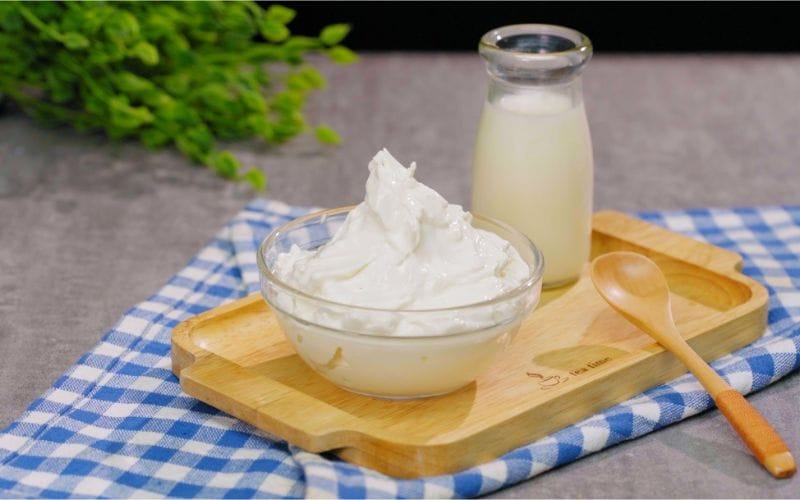
Greek yogurt is increasingly chosen by many as a food that boosts immunity and supports clean eating for muscle gain and fat loss. When combined with nuts, this type of yogurt helps create a feeling of fullness, limiting unhealthy snacking habits. As a result, the risk of cardiovascular diseases from consuming fatty foods is also significantly reduced, protecting the health of both men and women.
Egg Whites
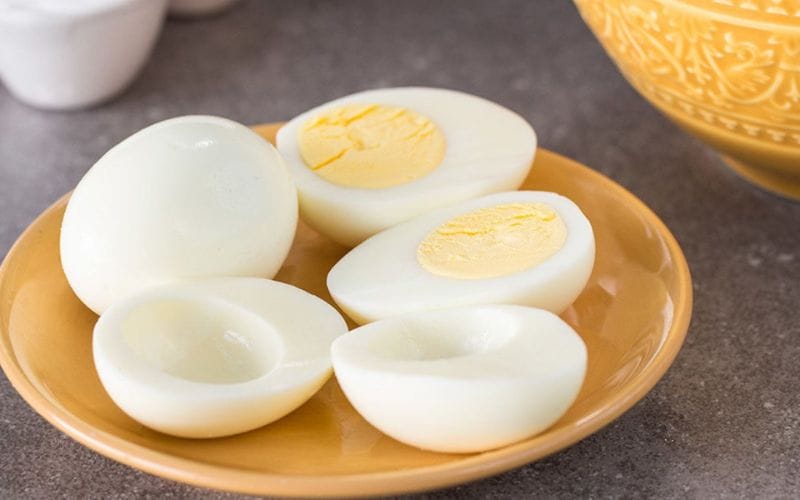
Egg whites are a valuable source of protein, highly favored in muscle gain and fat loss diets. Each egg contains about 3 grams of protein, of which the egg white accounts for up to 67%. This sufficient amount of protein effectively helps muscle development, supporting abdominal fat loss exercises for both men and women, helping you quickly achieve a toned physique.
Foods to Limit in a Muscle Gain and Fat Loss Diet
To achieve optimal results in muscle gain and fat loss, controlling your diet not only involves choosing nutritious foods but also avoiding foods that can hinder muscle development and increase fat accumulation, such as:
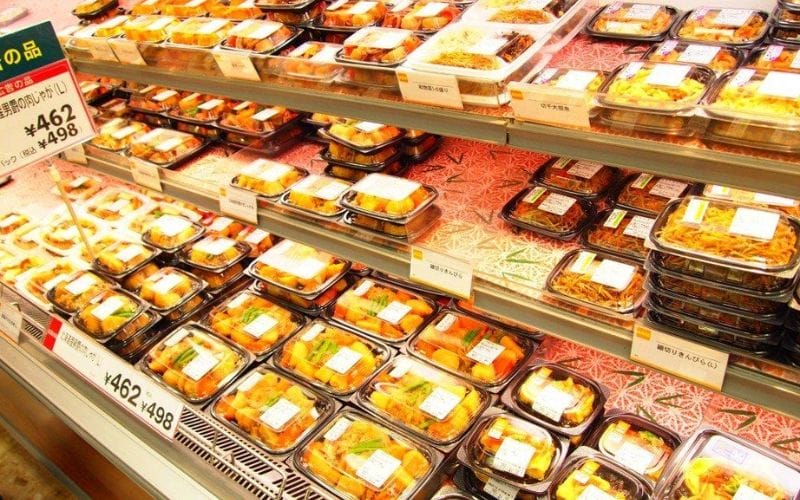
- Processed foods and ready-to-eat meals: These are sources of unhealthy fats and sugar, often high in calories but low in nutritional value, easily leading to excess fat and affecting overall health.
- Sugar: Foods and drinks high in sugar cause uncontrolled weight gain and negatively impact muscle maintenance and development, leading to imbalance during workouts.
- Alcohol: Alcohol consumption can reduce muscle recovery and regeneration, while also decreasing workout intensity and performance.
Conclusion
The information above provides an overview of the muscle gain and fat loss meal plan, helping you gain a clearer direction in adjusting your diet. Each individual will have a suitable method, so you should consider combining scientific eating with appropriate exercise. To ensure safety and effectiveness, do not hesitate to consult an expert and find more useful information in Kamereo’s Healthy and Beautiful section.
See more:
Nguồn tham khảo: