


 0812 46 37 27




“Does eating chicken breast help you lose weight?” is one of the most common questions asked when starting a diet. Chicken breast is highly valued for its nutritional content, thanks to its low calorie and high protein content, which effectively supports weight loss. So, how does this food help with weight loss? What are the effects of chicken breast, and what is its nutritional content? Let’s explore the details with Kamereo in the article below to find the most accurate answers.
Does Eating Chicken Breast Help You Lose Weight?
Chicken breast, also known as chicken tenderloin, is the white meat from the chest area of a chicken, with a slightly firm texture. Chicken breast is highly praised by nutritionists as a valuable food in weight loss diets due to its unique nutritional value, which is particularly suited for weight management goals for the following reasons:
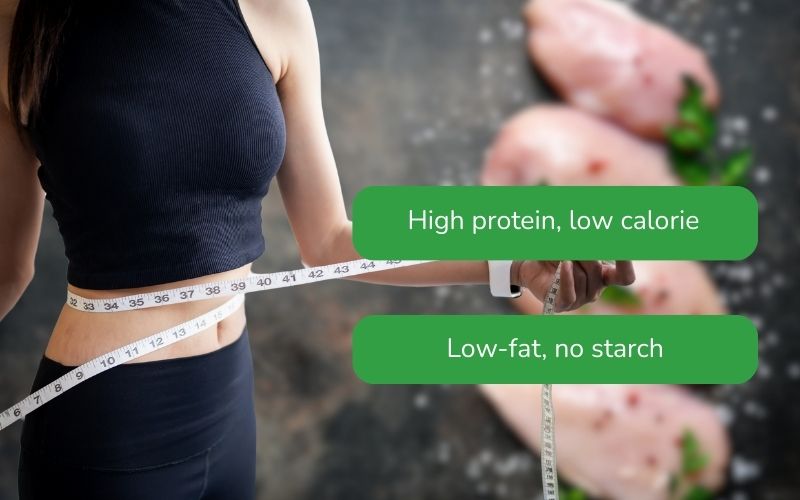
- High protein content: 100g of chicken breast contains about 31.02g of protein, providing sustained energy, maintaining muscle mass, and boosting metabolism, thereby increasing energy burning efficiency.
- Low in fat and no carbohydrates: Chicken breast contains almost no carbohydrates and is very low in fat, making it suitable for diets that control calories and fat intake.
- Longer feeling of fullness: The high protein content in chicken breast helps prolong the feeling of fullness, thereby reducing snacking or consuming unnecessary high-energy foods.
- Low calorie count: Every 100g of chicken breast only provides about 165 calories, which is a relatively low calorie count compared to daily calorie needs. This makes it easy to create the calorie deficit necessary for weight loss.
- Suitable for scientific weight loss diets: When combining chicken breast with a reasonable exercise regimen and a balanced diet, you will quickly notice positive improvements in your weight.
Therefore, eating chicken breast can effectively support weight loss, but you need to consume it correctly to achieve the desired results. The key factor in weight loss is creating a calorie deficit – meaning the calories expended must be greater than the calories consumed in a day. By combining low-calorie foods like chicken breast with a regular exercise regimen, you will soon notice a significant improvement in your weight.
Nutritional Value of Chicken Breast
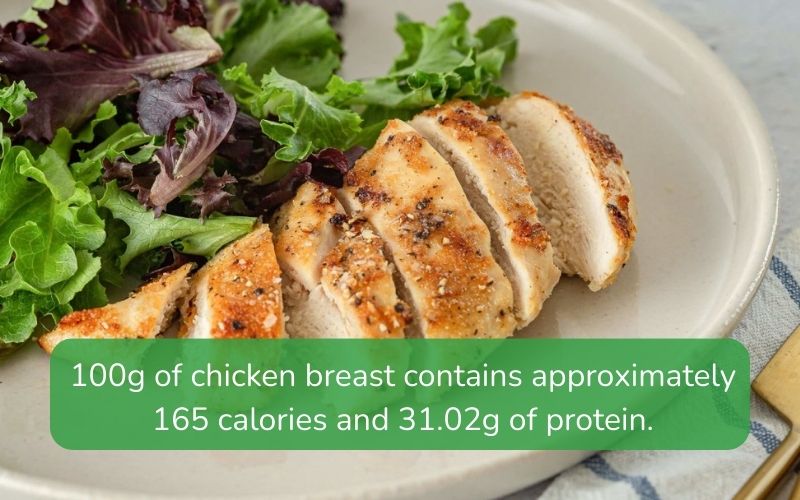
100g of chicken breast contains approximately 165 calories and 31.02g of protein – a rich and essential amount of protein for maintaining and developing muscle mass. Chicken breast contains no carbohydrates and fat, which is why this food is considered an ideal choice in a scientific weight loss diet.
With its primary composition of protein and water, chicken breast not only supports muscle development but also limits the accumulation of excess fat in the body. Research and recommendations from nutritionists suggest that supplementing chicken breast in the diet of people with high blood fat can effectively help control their health condition.
Additionally, consuming chicken breast stimulates the release of tryptophan – a precursor to serotonin, an important neurotransmitter that helps improve mood, reduce stress, and support the treatment of sleep disorders.
According to the USDA, 100g of chicken breast contains the following specific nutritional components:
|
Component |
Content |
|
Energy |
165 kcal |
|
Protein |
31 g |
|
Total Fat |
3.6 g |
|
Saturated Fat |
1 g |
|
Cholesterol |
85 mg |
|
Sodium |
74 mg |
|
Potassium |
256 mg |
Effects of Chicken Breast
Below is a summary of the prominent effects of chicken breast, a food highly valued for its nutritional value and health benefits:
Enhances Muscle Quality
Chicken breast contains a high amount of protein and water, playing an essential role in the formation, maintenance, and development of muscles. Regularly incorporating chicken breast into your diet contributes to increasing muscle mass, firming muscles, and improving endurance during exercise, optimally supporting physical activities.

Maintains Weight
With its low calorie count (approximately 165 calories/100g) and negligible fat content, chicken breast is an ideal choice for weight management. Its low-fat, fat-free, and high water content properties help create a long-lasting feeling of fullness, curb cravings, and prevent the accumulation of excess fat, thereby effectively supporting weight loss and maintaining physique.
Improves Sleep
Chicken breast contains many amino acids that positively impact the nervous system, helping to regulate mood and improve sleep. Additionally, compounds like carnosine and anserine in chicken meat help enhance concentration and support memory function, providing comprehensive benefits for mental health.

Produces Red Blood Cells
Not only chicken breast, but most meats are rich sources of vitamin B12, which is essential for the body. In addition, the nutrients in chicken breast act as important catalysts, promoting the production of red blood cells and protecting nerves and the entire nervous system. For people with anemia or Crohn’s disease, supplementing chicken breast in the diet is recommended to control disease progression and support effective treatment.
Inhibits Oxidative Substances
Chicken breast is also known to provide selenium – a powerful antioxidant that helps the body fight free radicals and reduce cell damage. As a result, regular consumption of chicken breast can help reduce the risk of chronic diseases such as diabetes, heart disease, asthma, and memory impairment.

How Much Chicken Breast Is Enough to Eat?
Most nutritionists recommend eating chicken breast about 2-3 times per week to ensure sufficient protein supply for the body without causing excess. Consuming too much protein in one meal or over an extended period can put pressure on the kidneys, especially in individuals with impaired kidney function or kidney diseases. When protein intake exceeds the body’s needs, the kidneys have to work harder to excrete metabolic products, which in the long run can negatively affect kidney health.
For healthy individuals, appropriate protein intake typically ranges from 1.2 to 2.0 grams of protein per kilogram of body weight per day, depending on activity level and health goals, and will not negatively affect kidney function. Therefore, maintaining a balanced diet, not overconsuming protein from chicken breast or any other source, is crucial for overall health protection.
Additionally, you should also diversify other protein sources such as beef, seafood, various beans, and tofu to balance nutrition and avoid deficiencies of other important nutrients. This way, the body will receive all the essential vitamins, minerals, and amino acids for healthy development.

Frequently Asked Questions
How much chicken breast should I eat per day for weight loss?
To support effective weight loss, experts recommend consuming only about 100g of chicken breast per day. Eating too much can lead to excessive protein absorption, putting pressure on the liver and kidneys, and increasing the risk of cholesterol accumulation if not properly controlled.
How many calories are in 500g of boiled chicken breast?
According to nutritional information from the USDA, 500g of boiled chicken breast contains approximately 825 kcal. Therefore, this food is very suitable for people on a diet or those who exercise regularly, helping to provide energy and maintain muscle mass without worrying about excess calories.
Will eating chicken breast at night make me fat?
Chicken breast is inherently a low-fat, high-protein food that supports muscle recovery and creates a long-lasting feeling of fullness. Therefore, if prepared simply, such as boiled or steamed instead of fried or stir-fried, you can confidently choose chicken breast for dinner without worrying about weight gain.
Is it okay to eat chicken breast every day?
Eating chicken breast every day is not strictly necessary and can lead to excess protein if portion sizes are not controlled. According to nutritionists, you should only eat it 2–3 times per week, and combine it with various other protein sources such as fish, beans, tofu, etc., to balance nutrition and limit deficiencies of essential micronutrients for the body.
Conclusion
The above provides detailed and specific answers to the question of does eating chicken breast help you lose weight. Nutritional data shows that chicken breast is indeed an effective food source for weight loss due to its abundant protein content, which increases satiety and boosts metabolism. However, it is important to note that chicken breast only achieves its maximum effect when integrated into a balanced diet and an active lifestyle. Don’t forget to visit the Health & Beautiful section to update more useful health articles!
References: