

 0812 46 37 27




Matcha is a traditional Japanese green tea powder, known for its vibrant green color, delicate flavor, and numerous health benefits. In recent years, matcha has become a popular beverage worldwide, not only in drinks but also in cuisine and desserts. However, not everyone fully understands what matcha is, where it comes from, and how it differs from regular green tea powder. In this article, Kamereo will help you explore the origins of matcha, the cultivation and production process, the differences between matcha and green tea powder, the popular types of matcha, and the health benefits of this unique tea.
What is Matcha?
Matcha is a traditional Japanese green tea powder, finely ground from young green tea leaves. The unique aspect of matcha lies in its meticulous cultivation and production process. Before harvesting, tea fields are often shaded for a few weeks. This process helps increase the levels of chlorophyll and L-theanine in the leaves, contributing to its distinctive deep green color and smoother flavor.
After harvesting, the tea leaves are quickly steamed to preserve their color and nutrients, then dried and the veins are removed. The remaining part, called tencha, is then slowly ground using traditional stone mills to create a fine powder. Thanks to this process, matcha retains its vibrant green color, smooth texture, and unique flavor, which is rare among other teas.
In terms of flavor, matcha typically has a slightly bitter taste, with a refreshing and natural aftertaste from the tea leaves. When brewed correctly, matcha offers a balance of freshness and richness, which makes it different from regular green tea. This is one of the reasons matcha is now widely used in various beverages and desserts.
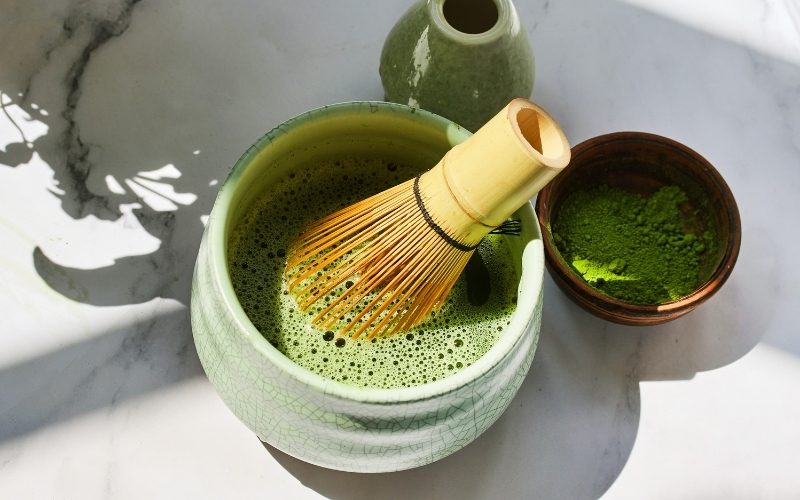
More than just a drink, matcha is deeply rooted in Japanese tea culture (Chanoyu) – a tea ceremony that embodies mindfulness and artistry. In the tea ceremony, matcha is whisked with hot water using a bamboo whisk to create a fine frothy texture, symbolizing the refinement, tranquility, and respect inherent in the tea-drinking process. Therefore, matcha is not only seen as a tea but also as a symbol of Japanese culture and philosophy.
Origin of Matcha
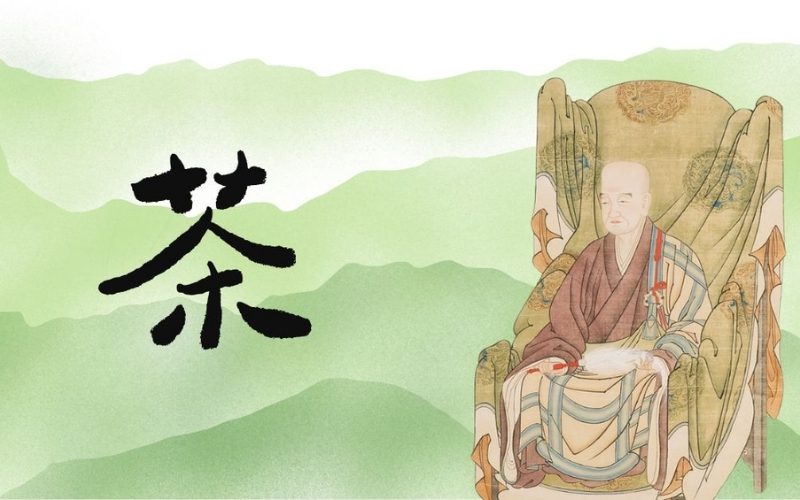
Matcha has a history closely tied to the development of green tea in East Asia. From the 7th to 10th centuries, in China, tea leaves were often steamed and pressed into cakes for storage and use. In 1191, Japanese monk Eisai brought tea seeds and the tea-drinking method from China to Japan, planting them in Kyoto. From there, the Japanese continued to develop cultivation and processing techniques, including the method of shading tea plants before harvest to create the raw material for matcha.
Initially, matcha was used in Zen Buddhist rituals. Over time, it became popular among the nobility and samurai and gradually evolved into an essential drink in the Japanese tea ceremony.
What is the difference between Matcha and Green Tea Powder?
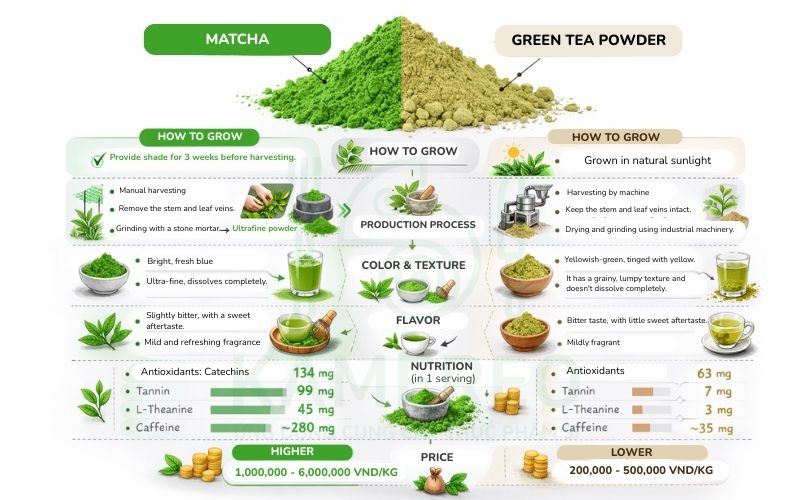
Although both matcha and green tea powder come from the leaves of the Camellia sinensis plant, they differ significantly in terms of cultivation, production process, flavor, texture, and nutritional content.
Matcha is produced using a more meticulous process, resulting in a fine powder with a vibrant green color and rich nutritional value. On the other hand, green tea powder is processed in a simpler manner, which makes it more affordable but with a lower nutritional value.
The difference in cultivation
The difference between matcha and green tea powder begins right at the cultivation stage. The farming method and light conditions during the growth process directly affect the color, flavor, and nutritional content of the tea leaves.
|
Matcha |
Green Tea Powder |
|
|
The difference in harvesting and processing
After harvesting, the tea leaves undergo different processing methods depending on the intended product. The differences in how the leaves are harvested, processed, and ground create two distinct types of tea powders, each with its own quality and characteristics.
|
Matcha |
Green Tea Powder |
|
The production process of matcha is quite meticulous:
|
The production process of green tea powder is simpler:
Since the veins and stems are not removed, green tea powder is usually coarser and of lower quality compared to matcha. |
The difference in texture, color, and flavor
The differences in cultivation and processing are clearly reflected in the texture, color, and flavor of the tea powder. These factors make it easy for consumers to distinguish matcha from regular green tea powder.
|
Feature |
Matcha |
Green Tea Powder |
|
Texture |
Very fine and light powder |
Coarse powder, not fully dissolved when brewed, can be grainy |
|
Color |
Bright, vibrant green |
Dark green or slightly yellow |
|
Flavor |
Stronger taste, slightly bitter at first, followed by a sweet, smooth aftertaste |
More astringent taste, less sweet aftertaste |
|
Aroma |
Fresh, delicate aroma |
Light aroma, less refined |
The difference in nutritional content
Not only do matcha and green tea powder differ in appearance and flavor, but they also have a significant disparity in nutritional value. This is mainly due to the cultivation methods and how the tea leaves are used when brewed. Since matcha is made from the whole tea leaf, it retains all its nutrients, while with green tea powder, some of the nutrients are lost during the steeping process.
|
Nutritions |
Matcha |
Green Tea Powder |
|
Antioxidants: Catechins (strong antioxidants) that help boost metabolism, support endurance, and reduce free radicals. |
Approximately134 mg |
Approximately 63 mg |
|
Tannin (Polyphenols): Plant-based micronutrients that contribute to the astringent taste of tea and offer various health benefits. |
Approximately 99 mg |
Approximately 7 mg |
|
Amino Acids: L-theanine helps improve focus, memory, and creativity while promoting calm alertness without the caffeine crash. |
Approximately 45 mg |
Approximately 3 mg |
|
Caffeine |
Approximately280 mg |
Approximately 48 mg |
The difference in cost
Due to the complex production process and high technical requirements, matcha typically has a significantly higher cost compared to green tea powder.
|
Matcha |
Green Tea Powder |
|
Due to the complex production process and high technical requirements, matcha typically has a significantly higher cost compared to green tea powder, with prices ranging from 1,000,000 to 6,000,000 VND/kg depending on the type and quality. |
Green tea powder is much cheaper, with prices ranging from 200,000 to 500,000 VND/kg (depending on the type). |
Popular Types of Matcha
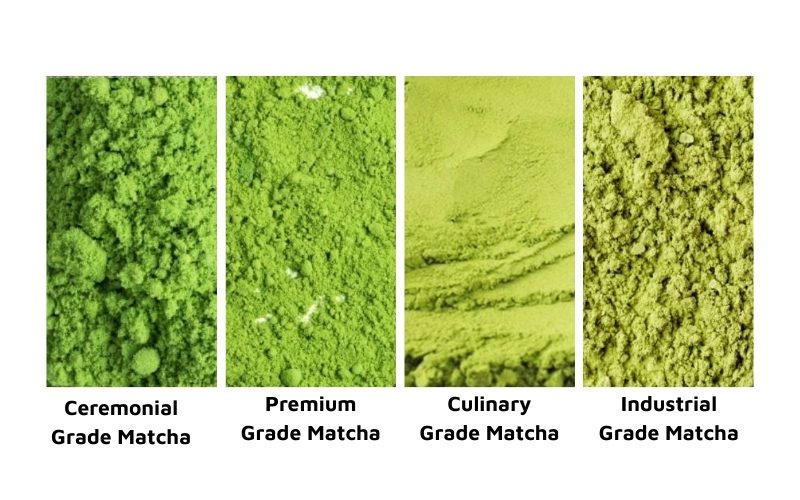
Matcha on the market is not just a single type, but is divided into various quality levels depending on the age of the tea leaves, harvest time, and intended use. Each type of matcha has its own color, flavor, and application, from traditional tea ceremonies to beverages, desserts, or food production. Below are some popular types of matcha:
- Ceremonial Grade Matcha: This is the highest quality matcha, often used in Japanese tea ceremonies. Made from the youngest tea leaves, it has a bright green color, a mild flavor, and is less bitter, typically enjoyed directly with hot water.
- Premium Grade Matcha: A high-quality matcha suitable for daily consumption. Still made from young tea leaves, it has a stronger flavor than ceremonial grade and can be used for drinking or in cooking.
- Culinary Grade Matcha: Matcha used for cooking and baking. Made from older tea leaves, it has a stronger, slightly bitter taste and a darker green color. It is often used in cakes, lattes, smoothies, or desserts.
- Industrial Grade Matcha: This is a lower-quality matcha, often used in industrial food production. Its color and flavor tend to be inconsistent.
- Organic Matcha: Matcha grown using organic methods, without synthetic chemicals or pesticides. Organic matcha can belong to various quality levels such as ceremonial, premium, or culinary.
Health Benefits of Matcha
Matcha is not only a traditional tea but also considered a nutrient-rich food due to its high content of beneficial compounds for the body. Here are some prominent health benefits of matcha:
- Rich in Antioxidants: Matcha contains high levels of catechins, a type of powerful antioxidant that helps neutralize free radicals in the body. This helps reduce cell damage and supports the prevention of chronic diseases.
- Boosts Brain Function: Matcha contains caffeine and L-theanine, two compounds that can help improve focus, memory, and reaction time. This combination keeps you alert without causing the jittery feeling often associated with coffee.
- May Help Reduce Cancer Risk: Matcha contains EGCG (epigallocatechin gallate), a type of catechin that has shown potential in inhibiting the growth of cancer cells in some laboratory and animal studies.
- Good for Heart Health: Some studies suggest that the compounds in green tea and matcha can help reduce the risk of cardiovascular diseases and support blood pressure regulation.
- Supports Weight Management: The compounds in green tea can help boost metabolism and promote fat burning, supporting weight loss when combined with a proper diet and exercise.
- Easy to Incorporate into Your Diet: Matcha is very versatile and easy to use. In addition to traditional tea, you can also add matcha to lattes, smoothies, desserts, or many other recipes to easily incorporate it into your diet and boost your nutrient intake.
⚠️Note: Matcha contains a relatively high amount of caffeine, so it should be consumed in moderation to avoid potential side effects such as increased heart rate or difficulty sleeping.
Bulk Matcha Import at Kamereo – Best Price, Authentic Japanese Quality for Your Café
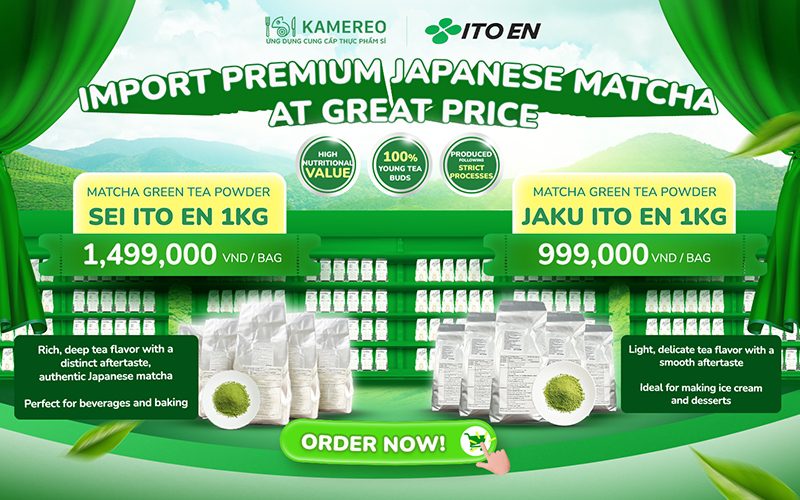
Kamereo offers authentic ITOEN matcha powder from Japan, a renowned tea brand with a long history and high-quality standards. ITOEN matcha is made from carefully selected green tea leaves, featuring a naturally vibrant green color, fine powder, and a distinct tea flavor, ideal for creating beverages like matcha lattes, iced matcha, or using in baking and desserts.
Buy Authentic Japanese Matcha at Wholesale Prices on Kamereo:
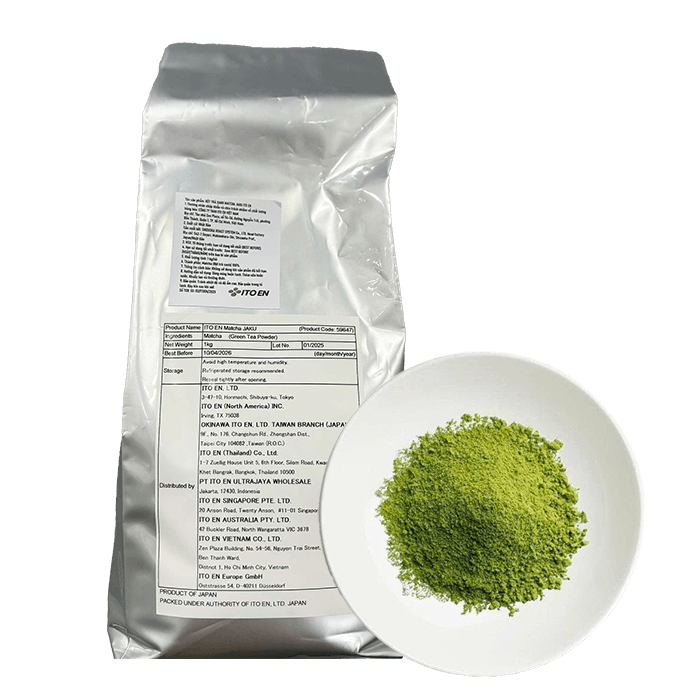
Ito En Matcha Powder Jaku 1kg
939,000đ/PACK
1,130,500đ/PACK
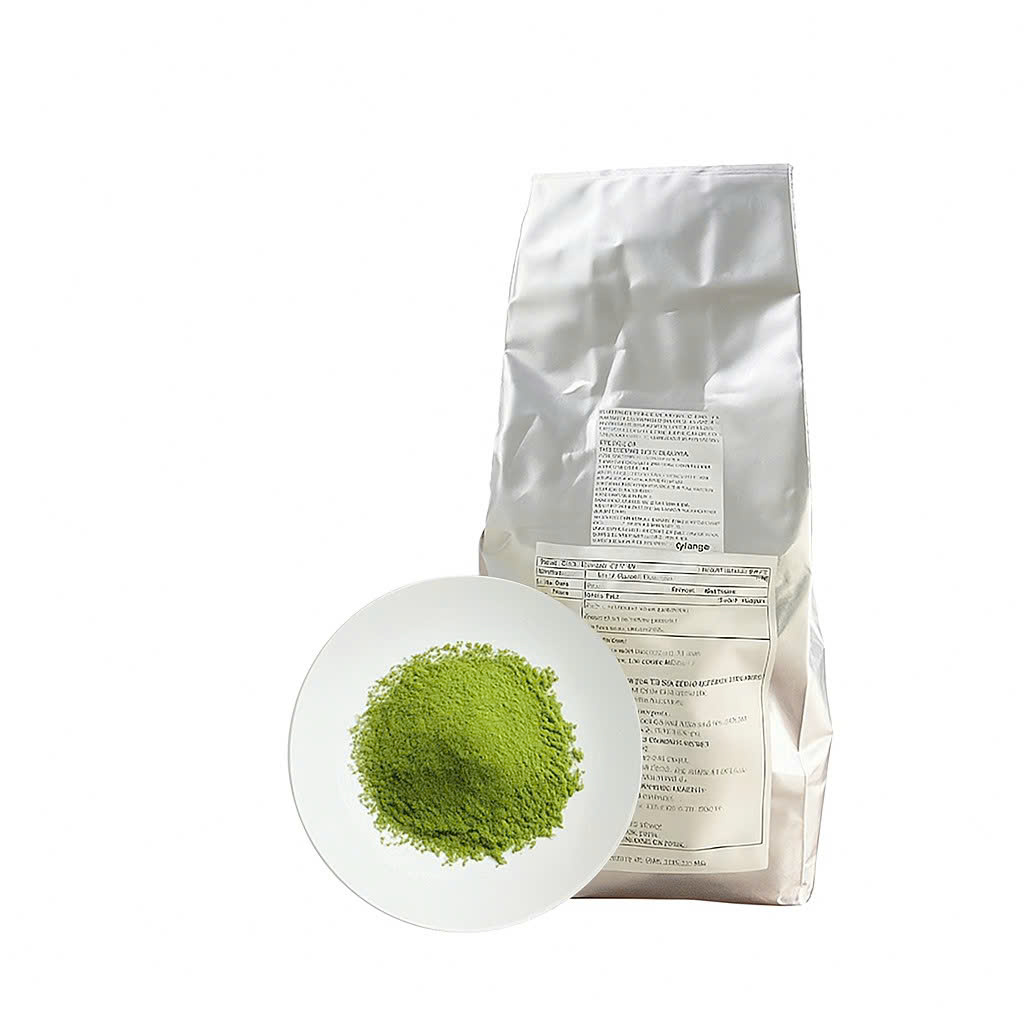
Ito En Matcha Powder Sei 1kg
1,299,000đ/PACK
1,671,000đ/PACK
![[Carton] Ito En Matcha Powder Jaku 1kg x 10 packs](https://image-handler-prod.s3-ap-southeast-1.amazonaws.com/supplier/654/PRODUCT_IMAGE/2e977d6d-4459-461d-8e50-19435a4ec102.png)
[Carton] Ito En Matcha Powder Jaku 1kg x 10 packs
8,999,000đ/CARTON
11,023,500đ/CARTON
![[Carton] Ito En Matcha Powder Sei 1kg x 10 packs](https://image-handler-prod.s3-ap-southeast-1.amazonaws.com/supplier/654/PRODUCT_IMAGE/2d6b0cb2-ad46-42ff-a591-1e78dedf8a10.png)
[Carton] Ito En Matcha Powder Sei 1kg x 10 packs
12,599,000đ/CARTON
15,049,500đ/CARTON
In addition to providing quality ingredients, Kamereo is an app that optimizes bulk food procurement for cafes and restaurants. With Kamereo, customers can order anytime, anywhere from a selection of over 2000+ essential ingredients on one platform. This eliminates the need to work with multiple suppliers as in traditional models, saving time and streamlining the purchasing process.
All products at Kamereo undergo strict quality control through a four-step verification process, ensuring ingredients meet the highest standards before reaching customers. This helps cafes and restaurants minimize hidden costs due to wastage or substandard ingredients, ultimately optimizing operational costs.
Moreover, Kamereo provides fast, reliable delivery with order acceptance until 12 AM and delivery starting from 6 AM, allowing businesses to manage their daily ingredient supply smoothly. Kamereo also offers 100% invoice issuance on the same day, including weekends and holidays, making it easier for F&B businesses to manage their finances and accounting.
Import matcha at Kamereo for your café, bakery, or F&B business today to create beautiful, consistent beverages and dishes, while optimizing your procurement process!
Frequently Asked Questions
What is Matcha made of?
Matcha is made from young green tea leaves of the Camellia sinensis plant. The leaves are grown under shade, then dried, the veins are removed, and they are ground into a fine powder.
What does Matcha taste like?
Matcha has a slightly bitter taste at first, followed by a sweet and refreshing aftertaste. It has a subtle, characteristic aroma of green tea leaves.
Is it good to drink a lot of Matcha?
Matcha is beneficial for health, but it should be consumed in moderation due to its caffeine content. It’s best to drink 1-2 cups per day to avoid issues like insomnia or increased heart rate.
What’s the difference between green tea powder and Matcha?
Both green tea powder and matcha are made from Camellia sinensis leaves, but they differ in cultivation and processing. Matcha is shade-grown before harvest, then the veins are removed, and it’s stone-ground into a fine powder, resulting in a bright green color and higher nutrient content. Green tea powder is usually sun-grown, ground by industrial machines, and has a coarser texture, darker color, and less nutritional value compared to matcha.
What is a Matcha Latte?
A Matcha Latte is a drink made from matcha powder, water, and milk. The matcha powder is first dissolved in hot water, then mixed with milk to create a creamy, rich flavor that is easy to drink.
Conclusion
Matcha is not just a type of green tea powder, but also a symbol of Japanese tea culture with its unique cultivation and processing methods. Through this article, you have gained a clear understanding of what matcha is, its origins, the differences between matcha and green tea powder, the popular types of matcha, and its health benefits. Visit the Food and Lifestyle section now to explore more useful knowledge, stay updated on the latest food trends, and discover high-quality ingredients that are widely used today.
Learn More: