


 0812 46 37 27




What are the benefits of sweet potato leaves? This is a common question for many people when it comes to this common, easily found vegetable in Vietnamese meals. Not only is it a refreshing soup ingredient, but sweet potato leaves (also known as Malabar spinach) are also considered a natural remedy if used correctly. However, eating them at the wrong time or in excessive amounts can have adverse effects. The following article is from Kamereo, which will help you understand the nutritional value, benefits, drawbacks, and important considerations when using sweet potato leaves in your daily life.
Nutritional composition of sweet potato leaves
Sweet leaf (Sauropus androgynus) is a nutrient-rich green vegetable, notable for its high content of vitamins, minerals, and natural antioxidants. These components contribute to its effectiveness in supporting detoxification, cooling the body, boosting immunity, and protecting cells from free radical damage. Therefore, sweet leaf is not only good for the digestive system but also offers numerous benefits for cardiovascular health, bone and joint health, and the immune system when consumed correctly.
Below is a nutritional information table of sweet potato leaves (per 100g of edible portion):
|
Ingredient |
Content |
|
Energy |
~35 kcal |
|
Protein |
5,3 g |
|
Fiber |
2,5 g |
|
Calcium |
~169 mg |
|
Phosphorus |
~49 mg |
|
Iron |
~2,7 mg |
|
Vitamin C |
~185 mg |
|
Vitamin A (beta-caroten) |
High |
|
Vitamin B2 |
~0,3 mg |
|
Time |
~410 mg |
Note: The values are for reference only and may vary depending on the variety and growing conditions.
What are the benefits of eating sweet potato leaves (or Malabar spinach)?
To understand the benefits of eating sweet potato leaves, modern medicine has shown that this vegetable contains many vitamins, minerals, and bioactive compounds such as papaverine, sterols, flavonoids, and phytochemicals. These components are what give sweet potato leaves their outstanding nutritional and medicinal value.
Cools the body and detoxifies it.
Sweet potato leaves have a naturally cooling effect and contain plenty of water, potassium, and fiber, which helps increase urination. Thanks to this diuretic mechanism, the body can eliminate waste products and toxins more effectively. Vitamin C The flavonoids in Malabar spinach also support the liver in neutralizing toxins, helping to soothe the body, reduce feelings of internal heat, mouth ulcers, and fatigue caused by heat accumulation. This is also why Malabar spinach is often mentioned in folk remedies for clearing heat and reducing internal heat.

Improve the quality of your sex life.
Sweet potato leaves contain plant sterols – compounds with a structure similar to sex hormones, which help stimulate natural arousal. In addition, the phytochemicals in sweet potato leaves have been shown to support increased sperm quality and quantity in men, thereby contributing to improved sexual function and quality of life when consumed in moderation.
Losing weight
Sweet potato leaves provide a large amount of protein. Plant-based and high in fiber, but very low in fat, and decline Fiber helps slow down digestion, creating a feeling of fullness and reducing appetite. Therefore, spinach can be used as a food to support weight management, even replacing some animal protein in the diet of people trying to lose weight.
Blood sugar control
Studies show that spinach has a low glycemic index and is rich in soluble fiber, which helps slow down the absorption of Glucose. It enters the bloodstream after eating. In addition, spinach also contains compounds with similar activity to insulin, contributing to the regulation of blood sugar levels, thereby helping to prevent and control diabetes when used correctly.

Stabilize blood pressure
The active ingredient papaverine found in sweet potato leaves has the ability to counteract smooth muscle spasms and dilate blood vessels, helping to improve blood circulation and reduce pressure on the vessel walls. In addition, its high content of kali and magic. The properties of spinach help balance electrolytes, while its natural diuretic properties aid in the elimination of excess sodium, contributing to stable blood pressure.
Boost your immune system.
Malabar spinach leaves contain high levels of vitamin C, vitamin A, and antioxidants such as flavonoid and carotenoids. These active compounds help neutralize free radicals, reduce inflammation, and strengthen the body’s defenses against bacteria and viruses. As a result, the immune system is supported to function more effectively, especially during seasonal changes or when the body is weakened. This is also one of the benefits of spinach recognized by modern medicine.

Supports lactation and postpartum recovery.
In traditional and folk medicine, sweet potato leaves are used to support increased milk production by affecting hormones related to the mammary glands. At the same time, the active compounds in the leaves help the uterus contract and aid in expelling postpartum discharge, thus helping women recover faster after childbirth. However, it is important to use them in appropriate dosages to avoid adverse effects.
Improve reproductive health
Certain bioactive compounds in sweet potato leaves have a positive impact on the balance of sex hormones. This helps support reproductive health in both men and women. In particular, men can benefit from compounds that improve sperm quality, while women can benefit from improved overall health when consuming sweet potato leaves appropriately.

Supports wound healing and tissue regeneration.
Vitamin C in spinach plays a crucial role in collagen synthesis – an essential element for skin and connective tissue repair. Combined with antioxidants, spinach helps promote tissue regeneration, supports wound healing, and reduces the risk of infection after minor injuries or surgery.
Antibacterial protects the respiratory tract.
Many natural compounds in sweet potato leaves have the ability to inhibit the growth of certain bacteria and fungi. Therefore, according to folk experience, sweet potato leaves are often used to treat ailments such as coughs, sore throats, and mild respiratory infections due to their natural antibacterial properties. However, consuming sweet potato leaves raw or as juice requires caution to avoid unwanted side effects.

Harmful effects of using spinach incorrectly.
Although many people are interested in the benefits of sweet potato leaves (or Malabar spinach), if used incorrectly or in excessive amounts, this vegetable can still cause unwanted side effects.
Insomnia
Some reports suggest that consistently drinking high doses of raw Malabar spinach juice (approximately 150g/day) over a long period may cause sleep disturbances. This is believed to be due to bioactive compounds in Malabar spinach affecting the central nervous system, causing mild stimulation leading to insomnia, shortness of breath, and loss of appetite. These symptoms usually improve quickly upon discontinuation of consumption.

It hinders the absorption of phosphorus and calcium.
Sweet potato leaves contain several compounds with glucocorticoid-like activity, which can inhibit absorption crane and phosphorus in the intestines. If spinach is consumed frequently and for a long period, the body may experience mineral deficiencies, affecting bone and joint health and metabolism, especially in the elderly and women.
Miscarriage
Sweet potato leaves contain papaverine – an active ingredient that relaxes smooth muscles but can also stimulate uterine contractions. Therefore, pregnant women, especially in the first three months, who consume large amounts of sweet potato leaves or raw juice may increase the risk of miscarriage and harm the fetus.

Drug interactions
Some bioactive compounds in spinach may alter the effects of medications, particularly anticoagulants and antihypertensive drugs. Due to its vasodilating and diuretic properties, spinach can either enhance or weaken the effectiveness of medications, making it difficult to manage medical conditions if used concurrently without medical advice.
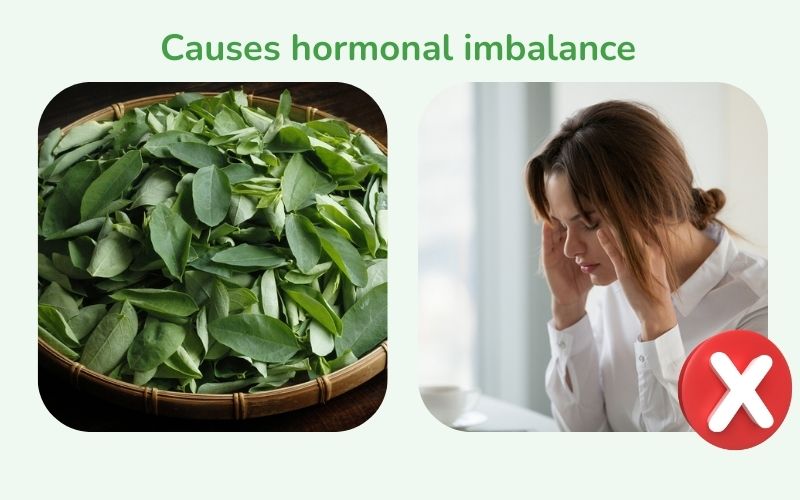
Hormonal imbalance
Sweet potato leaves contain phytoestrogens – compounds with a structure similar to natural estrogen. When consumed excessively over a long period, phytoestrogens can affect the regulation of sex hormones, causing hormonal imbalance, especially in women and men with sensitive endocrine systems.
Indigestion
The high fiber content of spinach is beneficial for digestion when consumed in moderation, but excessive consumption, especially raw or as juice, can cause bloating, gas, and indigestion. This is common in people with weak digestive systems or existing intestinal problems.
Causes allergies
Although uncommon, some people with sensitive constitutions may experience allergic reactions to the natural components in sweet potato leaves, manifesting as rashes, itching, or discomfort after consumption. If these signs appear, discontinue use and monitor your body’s reaction.

Who should avoid eating spinach?
Although many people are interested in the benefits of sweet potato leaves and often consider them a mild vegetable, in reality, not everyone is suitable to include sweet potato leaves in their regular diet. For the following groups, the use of sweet potato leaves requires special caution.
Women in the first trimester of pregnancy
Sweet potato leaves contain papaverine – an active ingredient that can affect smooth muscle and stimulate uterine contractions. During the first three months of pregnancy, the uterus is still very sensitive, and consuming large amounts of sweet potato leaves or using them continuously, especially in the form of raw juice, can increase the risk of uterine contractions and miscarriage. Therefore, pregnant women should limit or avoid consuming sweet potato leaves.
The person is experiencing stomach chills and diarrhea.
Biologically, spinach has cooling properties and diuretic effects. When the digestive system is weakened, eating spinach can increase the feeling of coldness in the stomach, stimulate stronger bowel movements, and thus prolong diarrhea, making recovery more difficult.

People with low blood pressure
Thanks to its papaverine content and minerals, it helps dilate blood vessels and increase excretion of Natri. In general, spinach has the potential to help lower blood pressure. However, for people who already have low blood pressure, eating spinach frequently or in large quantities may cause blood pressure to drop even further, leading to dizziness, fatigue, and even lightheadedness when changing posture.
People who are taking anticoagulant medication
Some bioactive compounds in Malabar spinach may affect blood clotting and circulation. When taken concurrently with anticoagulants, Malabar spinach may alter the effectiveness of treatment, potentially leading to blood clotting disorders. Therefore, individuals undergoing anticoagulant therapy should consult their doctor before regularly consuming Malabar spinach.

People who are allergic to green vegetables
Although uncommon, people with sensitive constitutions or a history of allergies to leafy greens may experience reactions such as itching, hives, and digestive disorders after eating spinach. This risk is higher when consuming spinach raw or undercooked. In particular, for cases where women drink water infused with sweet potato leaves after an abortion, clear medical advice is necessary to avoid affecting the uterus and overall health.
Frequently Asked Questions
While researching the benefits of sweet potato leaves, many people still wonder how to use them safely and appropriately for their health. Below are some frequently asked questions related to eating and drinking sweet potato leaves, helping you understand correctly to avoid unwanted risks.
Should you eat sweet potato leaves every day?
Sweet potato leaves are a type of vegetable rich in vitamins A and C, iron, and fiber, which offer benefits for digestion, immunity, and overall health. However, sweet potato leaves contain papaverine and several other bioactive compounds. If consumed dailyIt can affect the nervous system, digestive system, and uterus if accumulated over a long period.
Therefore, instead of consuming it daily, spinach should be added to the diet about 2–3 times per week, alternating with other green vegetables to ensure nutritional balance and minimize the risk of side effects.
What are the benefits of drinking raw spinach juice?
Theoretically, many people are interested in the benefits of drinking raw spinach because this method retains the vitamin C content and other nutrients enzyme. Naturally. Raw spinach juice can help to cool the body, detoxify, and relieve heat in the short term.
However, according to medical recommendations, drinking raw sweet potato leaves should not be done regularly. Raw sweet potato leaves contain compounds that can irritate the respiratory, nervous, and digestive systems, leading to symptoms such as shortness of breath, insomnia, and loss of appetite if consumed continuously or in high doses. Therefore, it should only be used when necessary, avoiding overuse, and should not be considered a daily beverage.

Is spinach (rau ngót) cooling or warming?
According to Traditional Chinese Medicine, the leaves of the sweet potato vine have a cooling nature and a slightly sweet taste, with effects such as clearing heat, detoxifying, promoting urination, and reducing inflammation. This is why sweet potato vine leaves are often used in cooling soups, especially in the summer.
From a modern nutritional perspective, sweet potato leaves are rich in water, potassium, and antioxidants, helping the body regulate temperature and reduce feelings of internal heat. However, for people with a weak constitution or those prone to stomach chills and diarrhea, the consumption of sweet potato leaves should be limited or thoroughly cooked, possibly with added ginger to reduce their cooling properties.
Summary
Via the above article, as can be seen, What are the benefits of sweet potato leaves? Its benefits depend greatly on how it’s used and who it’s consumed by. When eaten in the right dosage and at the right time, spinach is a valuable source of nutrients for health; conversely, overuse or misuse can cause many undesirable effects. Therefore, use spinach scientifically to maximize the benefits this familiar vegetable offers.
See more: