


 0812 46 37 27




If you’re looking for a simple yet authentic recipe to try at home, then this napa cabbage kimchi recipe is a great suggestion. Besides its rich spicy and sour flavor, kimchi is also nutritious and pairs well with many other dishes. Let’s follow Kamereo’s detailed guide below to get started on this delicious dish!
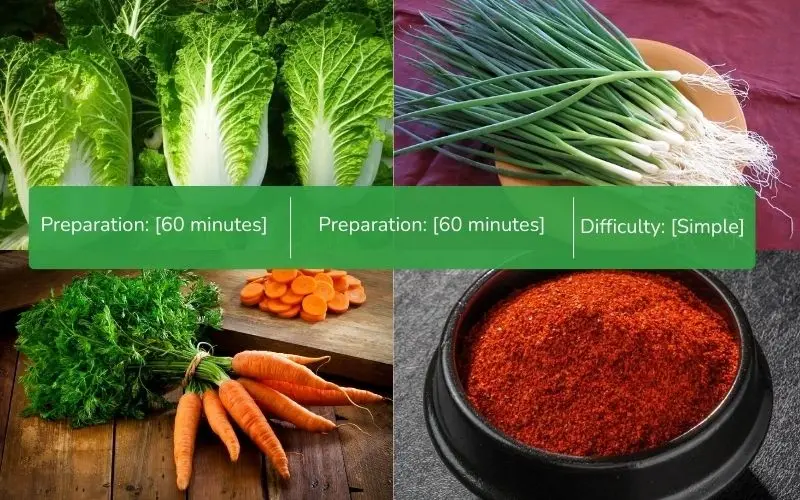
Ingredients for Kimchi
- 3kg napa cabbage
- 130g green onions
- 120g chives
- 20g ginger
- 80g garlic
- 300g carrots
- 300g apple/pear
- 100g onion
- 60g glutinous rice flour
- 50g dried shrimp (optional)
- Seasonings: Korean chili powder, sugar, coarse salt, fish sauce, honey
Buy quality, affordable Korean napa cabbage kimchi ingredients at Kamereo:
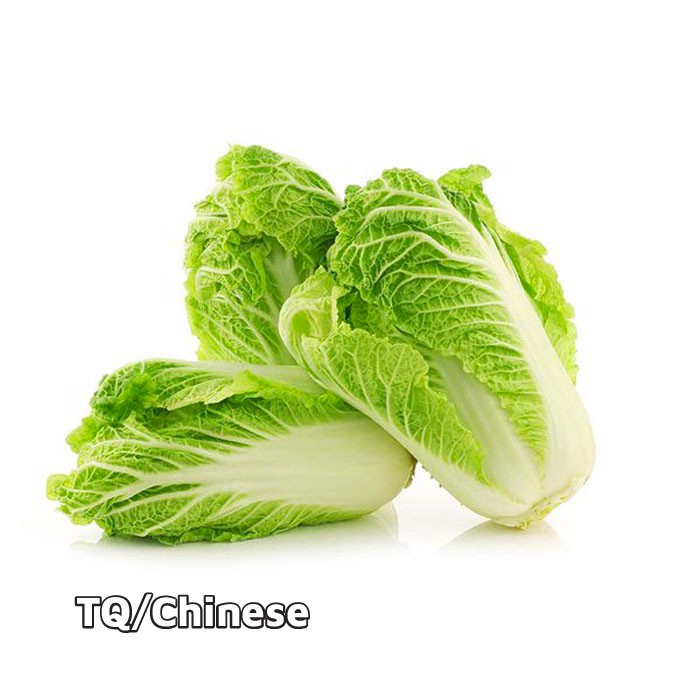
Napa Cabbage
13,000đ/KILOGRAM
16,500đ/KILOGRAM
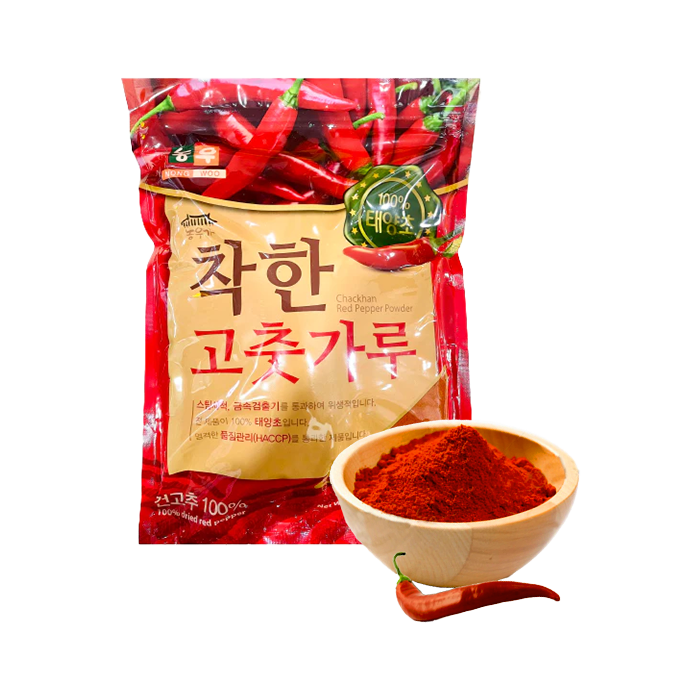
Chili Powder 1kg
159,000đ/PACK
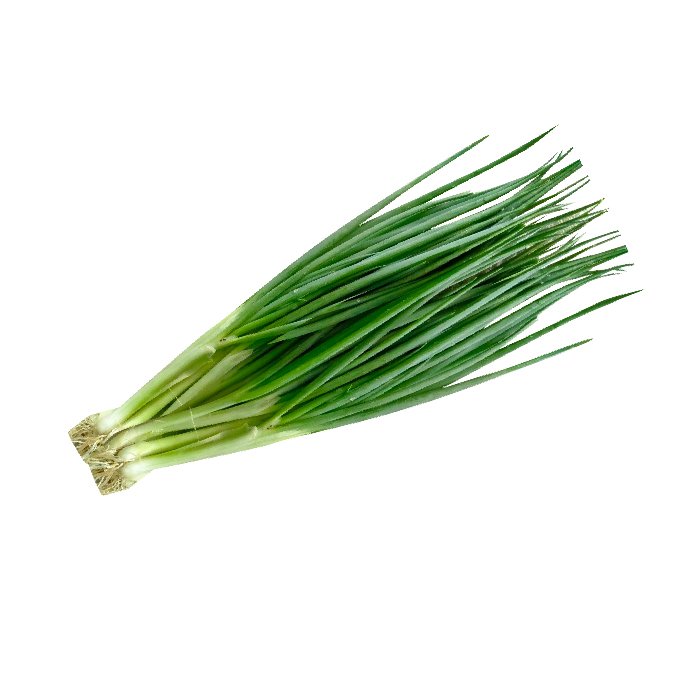
Green Onion South
47,000đ/KILOGRAM
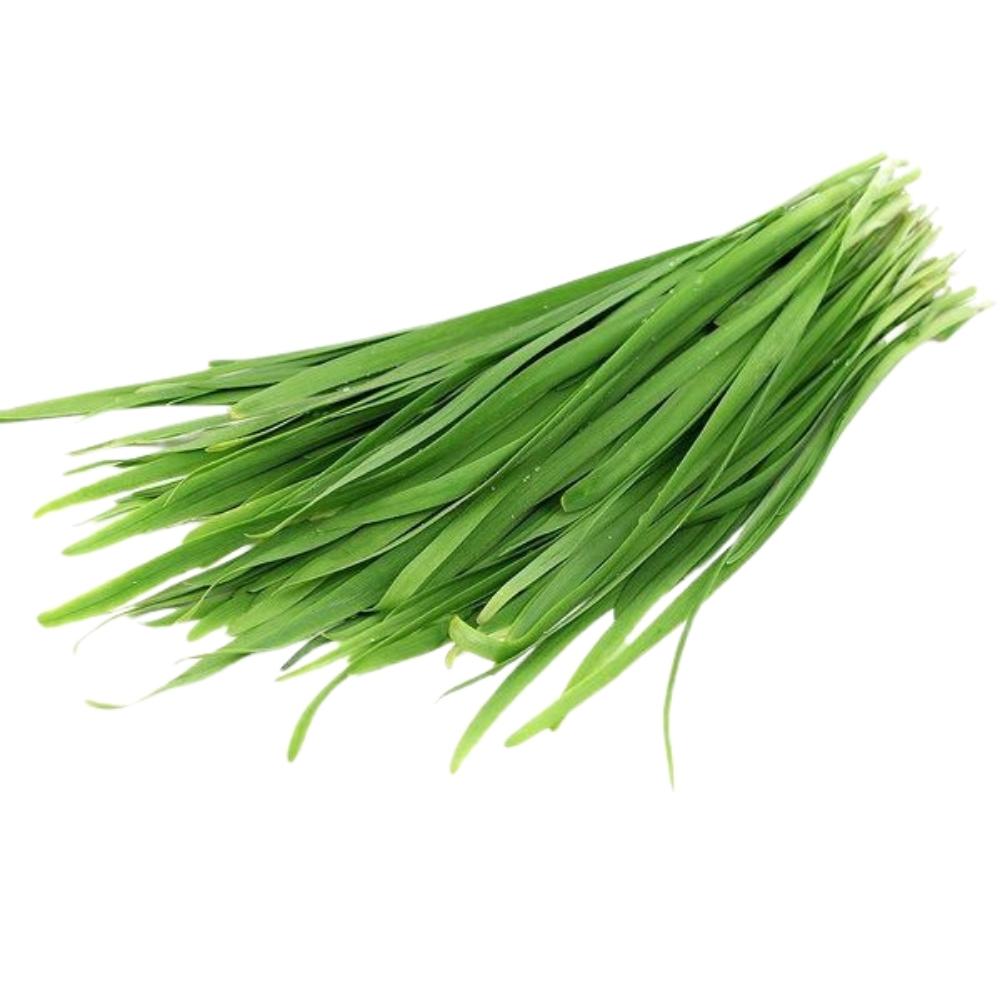
Chive Leaves
32,000đ/KILOGRAM
40,000đ/KILOGRAM
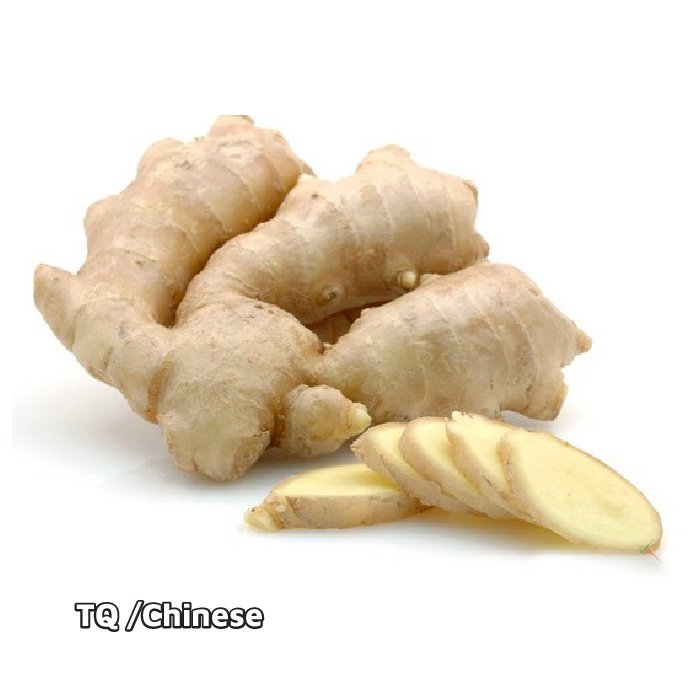
Ginger
77,000đ/KILOGRAM
91,000đ/KILOGRAM
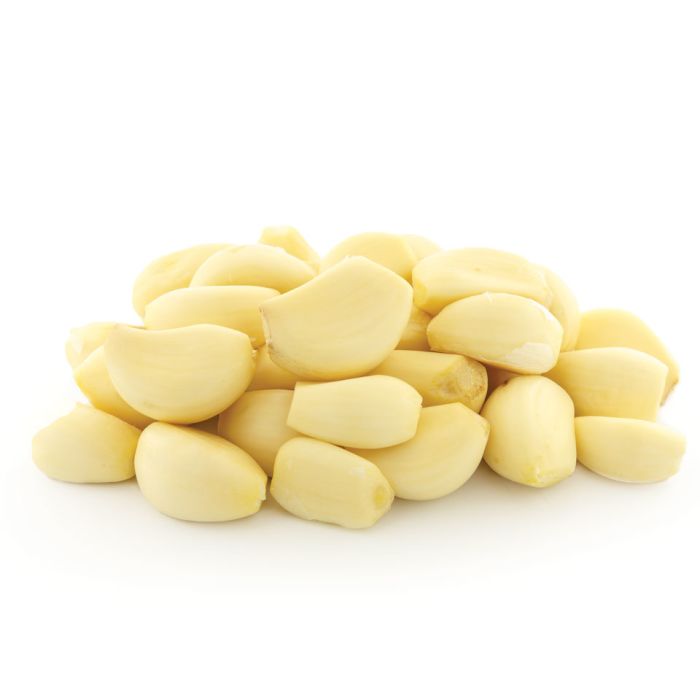
Peeled Garlic
72,000đ/KILOGRAM
92,000đ/KILOGRAM
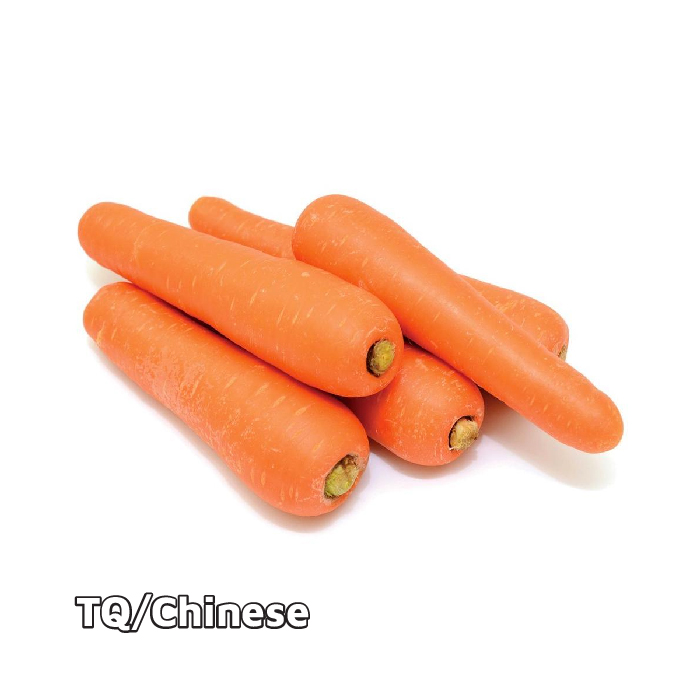
Carrot
19,000đ/KILOGRAM
21,000đ/KILOGRAM
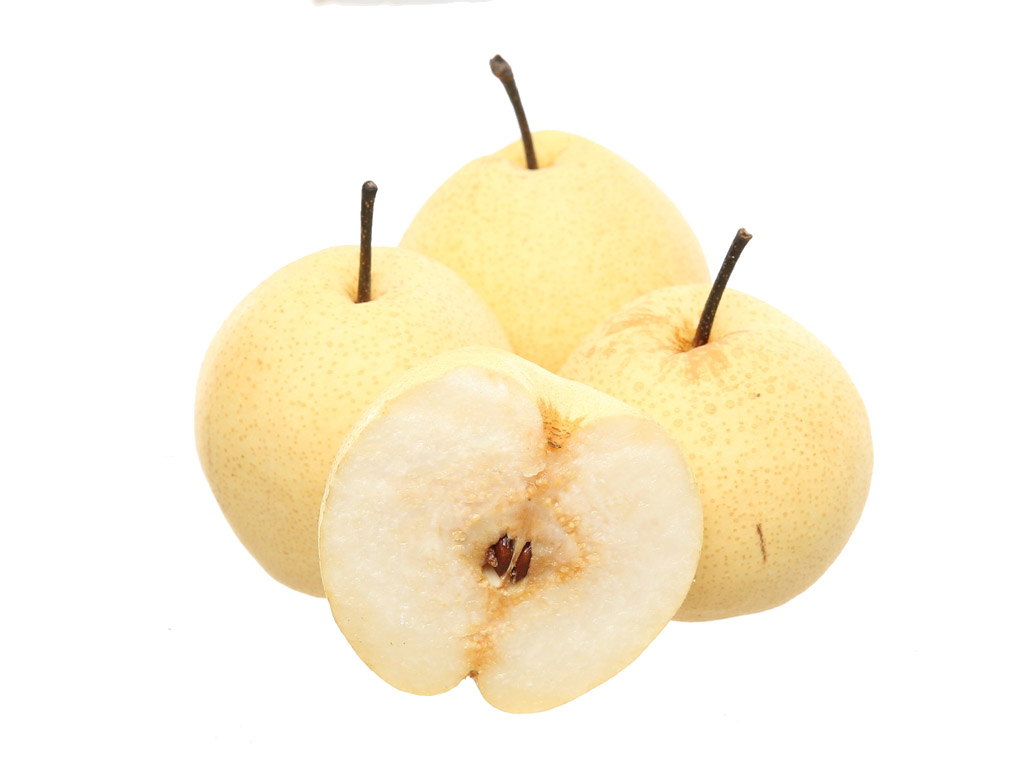
Sugar Pear
43,000đ/KILOGRAM
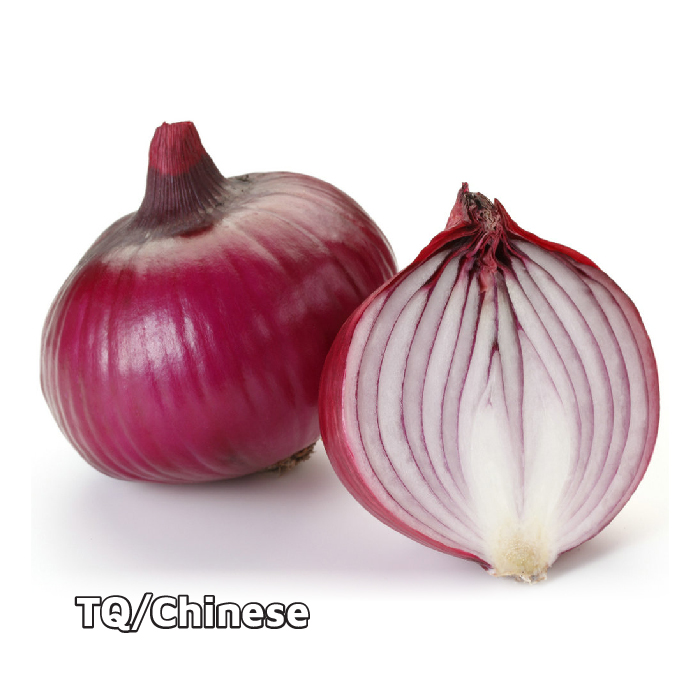
Red Onion
23,000đ/KILOGRAM
28,500đ/KILOGRAM
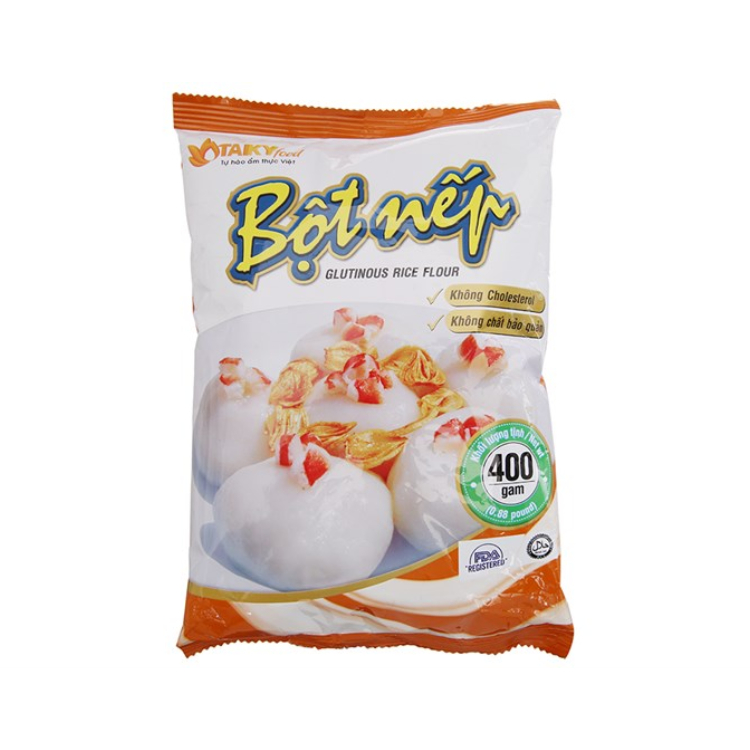
Tai Ky Glutinous Rice Powder 400g
21,000đ/PACK
25,000đ/PACK
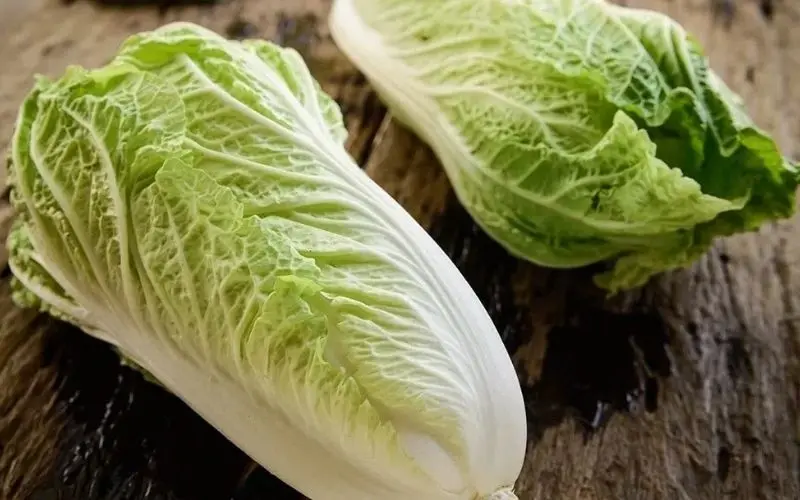
- Tips for choosing napa cabbage: Choose large, firm, and heavy heads of cabbage for thick, crispy leaves. Avoid wilted cabbage, or those with black spots or damaged leaves. The best cabbage is available from September to April, with crispy, subtly sweet leaves that are pale green and thin, making them easy to absorb seasoning when making kimchi.
- How to choose crispy carrots: Choose long, firm carrots with smooth, taut skin and a bright orange color. Carrots with green stems are freshly harvested, crispy, and sweet. Avoid carrots that are too large and feel light, as they are often fibrous and less crispy.
How to Make Napa Cabbage Kimchi
To get a jar of crispy, delicious, and authentic Korean napa cabbage kimchi, you need to complete all the steps, from preparing the ingredients and making the paste to salting and fermenting the kimchi. Each step plays an important role in helping the dish retain its harmonious flavor, attractive color, and delightful crunch. Let’s get started with the detailed instructions below:
Preparing the Napa Cabbage
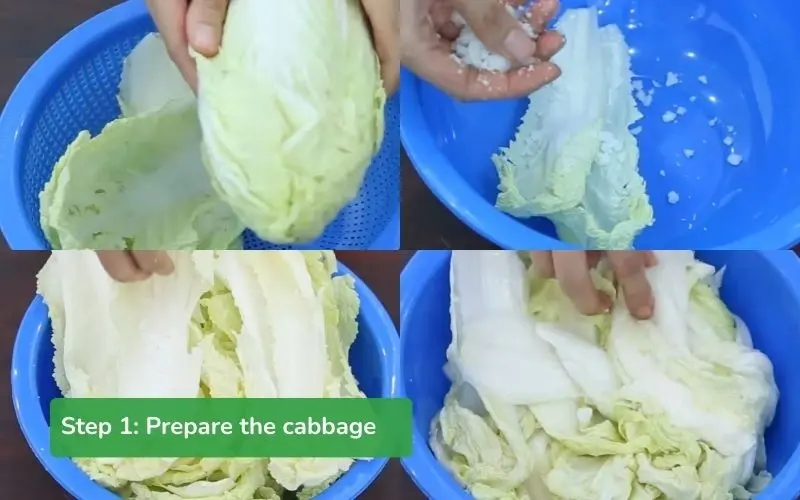
- Use a sharp knife to cut the napa cabbage in half or into four parts, depending on its size. When cutting, slice lengthwise from the stem, then gently pull each leaf part by hand to prevent the cabbage from breaking.
- Rinse each leaf well under running water to remove any dirt or impurities. Then, let them drain, preparing them for the salting step.
- Sprinkle coarse salt evenly on both sides of each leaf, making sure to cover from the stem to the tip. Note that you should handle them gently at this stage to maintain the structure of the leaves.
- Place the cabbage in a large basin and put a heavy object on top to press it down.
- Soak for about 2 hours. During the soaking process, remember to flip the cabbage every 30 minutes so the salt penetrates evenly, preventing some parts from being too salty or too bland.
Preparing the Remaining Ingredients
- Peel the pear (or apple) and cut it in half. Slice half into small pieces for grinding, and the other half into thin strips to mix with the vegetables.
- Peel and wash the onion. Cut half into wedges to grind with the pear, and slice the other half into thin strips.
- Peel and wash the garlic and ginger, then slice them thinly for easy grinding.
- After peeling, wash the carrots and daikon radish, then julienne them into small strips so they absorb the seasoning evenly and create a pleasant crunch.
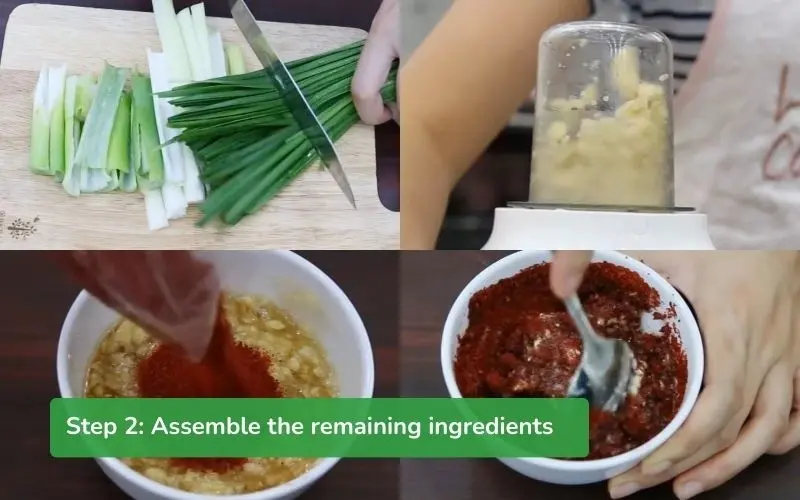
- Wash the green onions and chives, then cut them into 4-5 cm long pieces—an edible length that isn’t too short, which helps them retain their chewy and aromatic texture.
Salting the Napa Cabbage Kimchi
Making the Kimchi Paste
The kimchi paste is the soul of this dish, which determines its unique flavor:
- Add 20g of glutinous rice flour to a pot with 200ml of water, stirring until the flour is completely dissolved. Then, turn on the stove and cook the mixture over medium heat for about 4 minutes until it thickens slightly. Turn off the heat and pour the mixture into a bowl to cool. Note that you need to stir constantly at this step to prevent the flour from settling and burning.
- Put the chopped half-pear, half-onion wedges, garlic, and ginger into a blender and blend until smooth.
- Prepare a large basin and pour in the blended mixture and the cooled glutinous rice flour paste. Add the julienned pear and carrots, green onions, and chives. Season with 3 to 4 tablespoons of sugar, 7 tablespoons of fish sauce, and 40g of Korean chili powder.
- Mix all the ingredients well to combine the flavors. With that, you have completed the kimchi seasoning paste.
Making the Kimchi
This is the crucial step for the kimchi to absorb the flavor and achieve an attractive color:
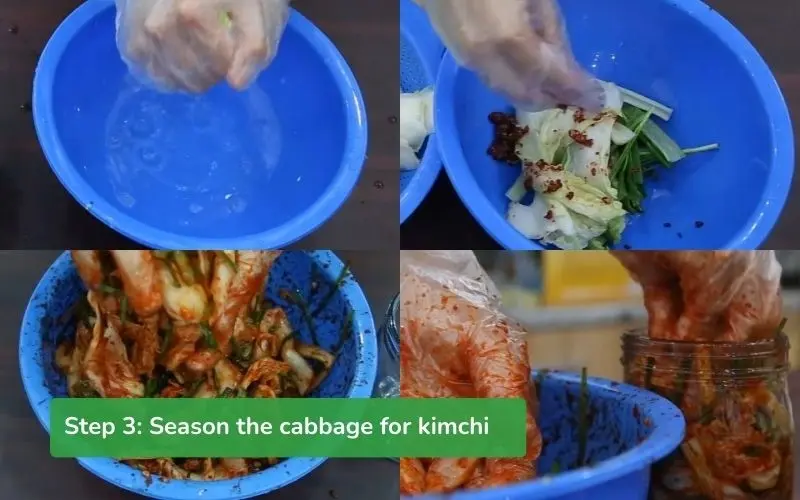
- After salting, rinse the napa cabbage several times under running water to remove the saltiness, then let it drain completely. Do not soak the cabbage in a basin of water, as it can make it too salty or cause it to lose its crispiness.
- Prepare a clean basin, place each cabbage half inside, and spread the paste evenly on both sides of the leaves. Use your hands (wearing plastic gloves is recommended) to rub the paste thoroughly from the stem to the tip, helping the seasoning penetrate evenly.
- Once all the cabbage halves are covered with paste, gently roll them up and arrange them tightly in a clean glass or plastic container. Packing them tightly prevents air pockets from forming during fermentation and helps keep the paste in place.
- Seal the container with a lid and leave it in a cool, ventilated place for 2-3 days. After this time, the cabbage will begin to ferment, and small bubbles will appear. This is a sign that the kimchi has reached a delicious sourness. You can taste it to adjust the fermentation time according to your preference.
Final Product
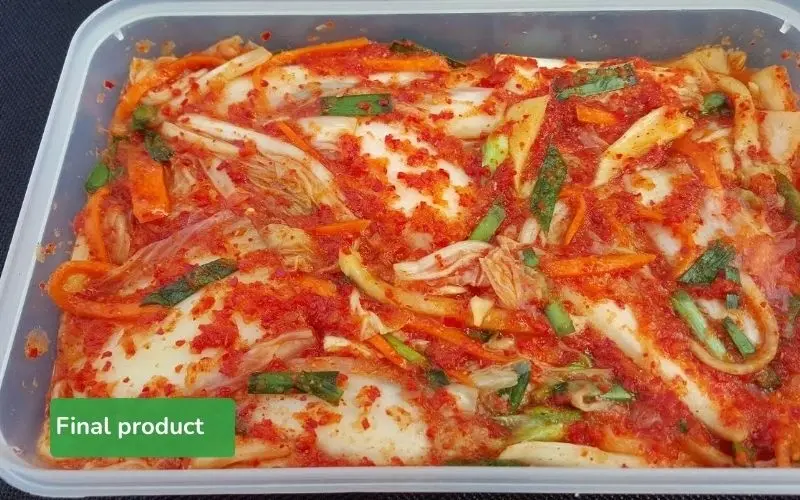
The kimchi will have a beautiful vibrant red color and an irresistible flavor. Each piece of napa cabbage is crispy and perfectly combines spicy, mildly sour, and subtly sweet notes.
When serving, you can arrange it on a plate and sprinkle a few roasted sesame seeds on top to enhance the nutty flavor. This authentic, delicious kimchi can be served with steamed rice, grilled meat, or used as an ingredient for stews, soups, or bibimbap—it’s absolutely wonderful.
Buy delicious Korean kimchi at Kamereo:
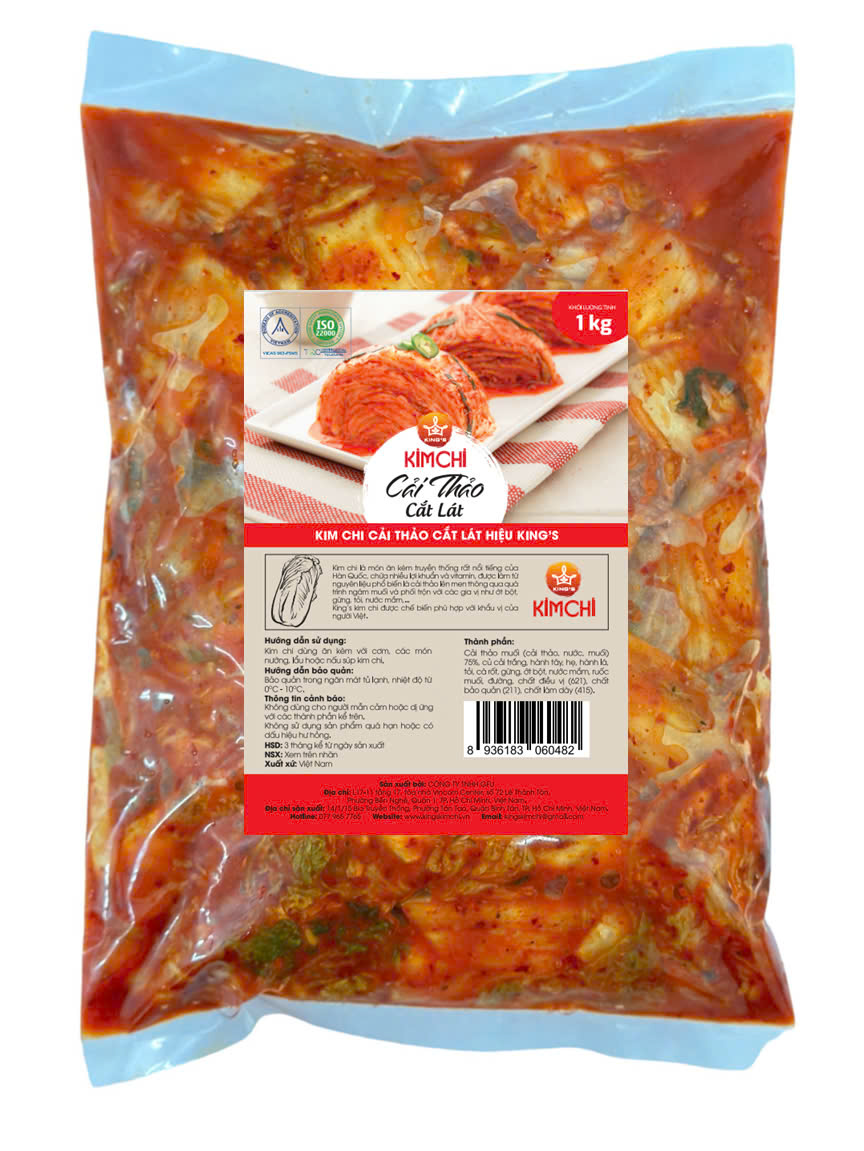
King's Sliced Napa Cabbage Kimchi 1kg
51,500đ/PACK
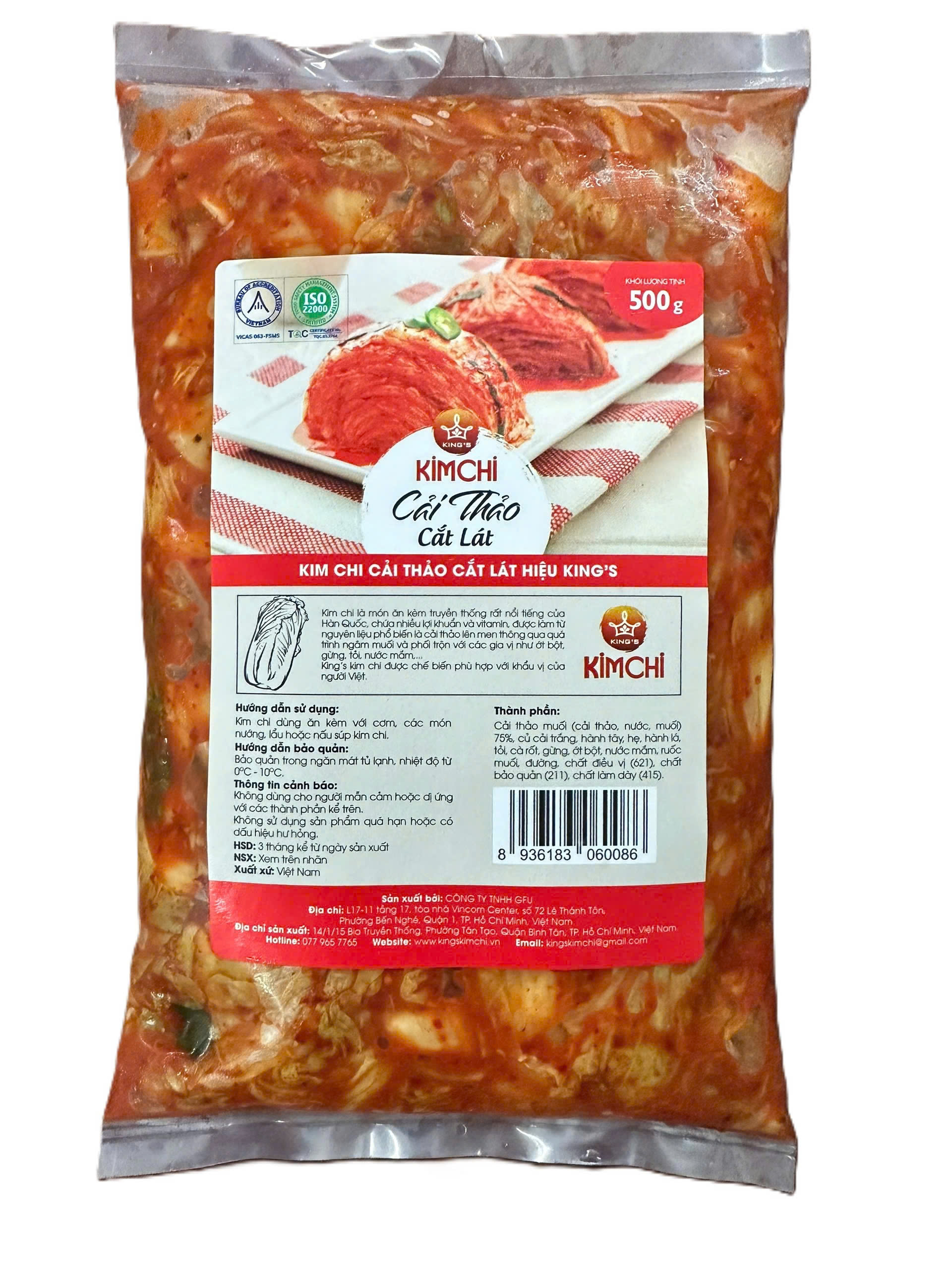
King's Sliced Napa Cabbage Kimchi 500g
27,500đ/PACK
Tips for Crispy, Long-Lasting Kimchi
To ensure your kimchi is always crispy, authentic, and can be stored for a long time, you need to keep a few important tips in mind:
- Choose medium-sized cabbages that are not too old, as old cabbage can become mushy, fibrous, and lose its crispiness when pickled.
- Prioritize cabbages with long, firm bodies, fresh stems, and a weight of about 1.5-2kg.
- Avoid using iodized salt when salting the cabbage, as it can make the cabbage soft quickly and lose its crunch.
- After rinsing and salting, you need to let the cabbage drain completely to prevent the kimchi from becoming slimy during fermentation.
How to Store Napa Cabbage Kimchi
The ideal place to store kimchi is in the refrigerator. Once the kimchi has fermented to your desired sourness, transfer it to small glass or plastic containers. When eating, only take out the amount you need. Avoid opening the container too many times to prevent the kimchi from being exposed to too much air, which can accelerate the fermentation process and cause it to spoil faster.
To make your kimchi last longer, make sure the containers and utensils used to handle it are always sanitized and clean. When putting kimchi in a container, ensure it is submerged in the pickling liquid. Also, avoid using stainless steel containers, as they can have adverse health effects.

How Long Does Homemade Napa Cabbage Kimchi Last?
At a cool room temperature, you can store kimchi for about a week, but avoid direct sunlight to preserve its full flavor.
If stored in the refrigerator, napa cabbage kimchi can be used for 3 to 6 months. In a cold environment, the kimchi continues to ferment, and its flavor becomes increasingly sour and richer over time.
When the kimchi becomes too sour, you can use it to cook dishes like kimchi stew, kimchi soup, or kimchi fried rice instead of eating it directly. It’s delicious and prevents waste.

Kamereo – The Supplier of Napa Cabbage and Korean Kimchi for Restaurants
Kamereo is a reputable supplier of fresh napa cabbage and Korean kimchi for restaurants, cafes, and industrial kitchens. With its competitive pricing, high-standard produce, and transparent process, Kamereo offers comprehensive peace of mind for businesses, from food quality to accounting procedures.
Buy fresh, affordable napa cabbage at Kamereo:
King's Sliced Napa Cabbage Kimchi 1kg
51,500đ/PACK
King's Sliced Napa Cabbage Kimchi 500g
27,500đ/PACK
Napa Cabbage
13,000đ/KILOGRAM
16,500đ/KILOGRAM
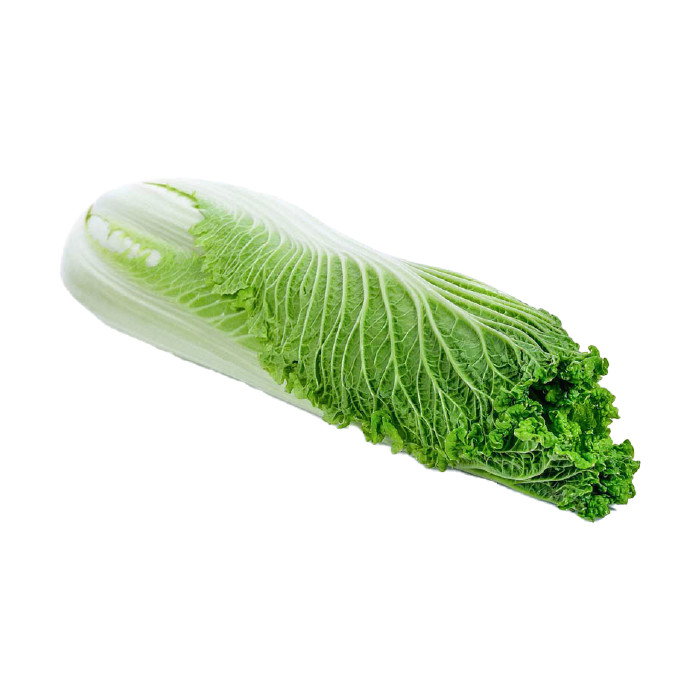
Rocket Napa Cabbage Da Lat
35,000đ/KILOGRAM
40,500đ/KILOGRAM
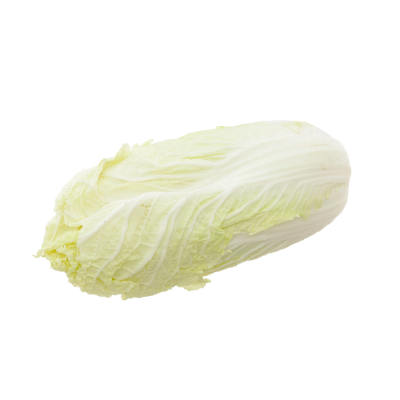
Napa Cabbage Da Lat Grade 1
17,000đ/KILOGRAM
21,500đ/KILOGRAM
The napa cabbage at Kamereo is harvested directly from farms in Da Lat every day without intermediaries. This ensures clear origin traceability and a stable supply. After harvesting, the vegetables are inspected and sorted at the Duc Trong center, stored in cold storage, and transported in standard refrigerated trucks, preserving their freshness until they are delivered to the customer.

With its modern technology platform, Kamereo offers a fast and convenient shopping experience through its app and website. Businesses can easily place orders with just a few clicks, as well as manage multiple branches, approve orders, track deliveries, and control costs centrally, saving maximum time.
Furthermore, Kamereo is committed to accurate and timely delivery: receiving orders until midnight and delivering before 6 AM the next morning, ensuring the correct quantity and on-time arrival. After each order, an electronic VAT invoice is issued immediately, making financial declarations convenient for businesses and eliminating the risk of lost documents and the inconvenience of handwritten invoices.
Conclusion
Hopefully, with this detailed guide on napa cabbage kimchi recipe, you can confidently create a crispy, delicious, and authentic Korean kimchi dish. This food not only enriches family meals but also brings many health benefits. Continue to follow Kamereo’s Food and Lifestyle section to discover more delicious recipes!
See more: