


 0812 46 37 27




What are the benefits of kale? Dubbed one of the most nutritious vegetables, kale is loaded with vitamins, minerals, and antioxidants. From supporting weight loss and heart health to protecting your eyes, this superfood offers countless benefits. Let’s find out more with Kamereo in the article below!
Nutritional Value of Kale
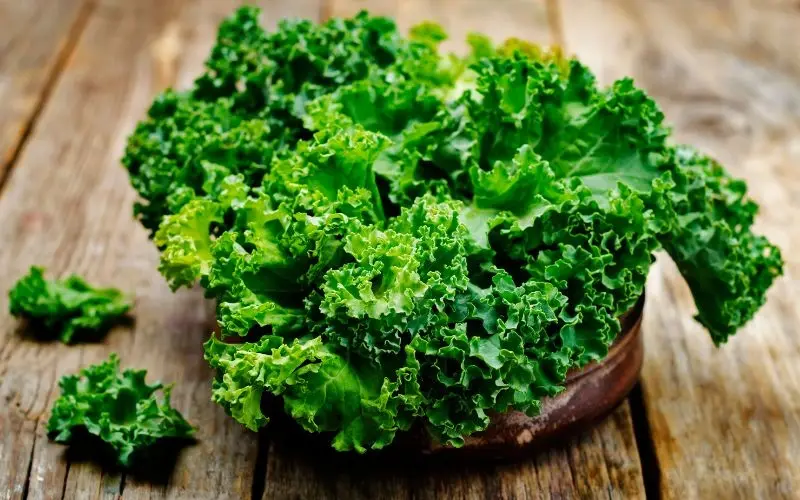
Kale is a leafy green vegetable belonging to the Brassicaceae family. It has curly or ruffled leaves, is dark green or purple, and is often used in salads, soups, stir-fries, or smoothies. It’s a superfood thanks to its high nutritional content and rich antioxidants.
A single cup of fresh kale (21g) provides the following components:
|
Component |
Amount per 1 cup (21g) |
Percent Daily Value (DV) |
|
Calories |
7 – 8 cal |
– |
|
1g |
– | |
|
Fiber |
1g |
– |
|
Vitamin K |
– |
68% |
|
– |
22% | |
|
– |
8% | |
|
– |
6% | |
|
Riboflavin |
– |
5% |
|
Calcium |
– |
4% |
Antioxidant Powerhouse
Kale is a rich source of antioxidants like beta-carotene, vitamin C, flavonoids, and polyphenols. These compounds help the body fight off free radicals—the factors that cause cell damage, slow down the aging process, and prevent chronic diseases.
Specifically, the flavonoids quercetin and kaempferol found in kale have been studied for their ability to reduce inflammation, support heart health, and slow the growth of cancer cells. The combination of multiple antioxidants makes this vegetable a top choice for maintaining a healthy body and boosting immunity.

Rich in Vitamin C
Vitamin C is a vital water-soluble antioxidant that plays a crucial role in collagen production—the protein that helps maintain skin elasticity and the health of bones and joints. Kale provides three times more vitamin C than spinach, making it an excellent source.
In addition to boosting the immune system, vitamin C also helps the body absorb iron and speeds up wound healing. Adding kale to your daily diet along with other vitamin C-rich fruits will help you achieve a balanced diet and improve overall health.

Lowers Cholesterol
Kale contains many natural compounds that can bind to bile acids in the gut, preventing them from being reabsorbed into the bloodstream. This forces the body to use more cholesterol to produce new bile acids, which effectively helps lower bad cholesterol (LDL).
A 2016 study on 149 people with metabolic syndrome showed that supplementing with 14g of kale powder daily for 8 weeks significantly reduced LDL levels while also helping to stabilize blood pressure, reduce belly fat, and lower blood sugar. This shows that adding kale to your diet is a natural way to protect heart health.

Provides Vitamin K
Vitamin K plays a crucial role in blood clotting, helping the body prevent excessive bleeding when injured. A cup of raw kale can provide nearly 70% of the daily required amount of vitamin K, contributing to the maintenance of healthy blood vessels.
Additionally, the vitamin K1 in kale also supports strong bones and helps the body metabolize calcium more effectively. Although different from vitamin K2 found in fermented foods, K1 from kale is still an essential nutrient that should not be missing from your daily diet.

Contains Anti-Cancer Compounds
Kale is a vegetable that contains many bioactive compounds believed to have anti-cancer effects. Among them, sulforaphane is a notable compound with the ability to inhibit the formation and growth of cancer cells at the molecular level.
Furthermore, indole-3-carbinol in kale also helps the body fight against abnormal cell growth. Regular consumption of kale, combined with a healthy diet, can be an effective way to prevent cancer.
Rich in Beta-Carotene
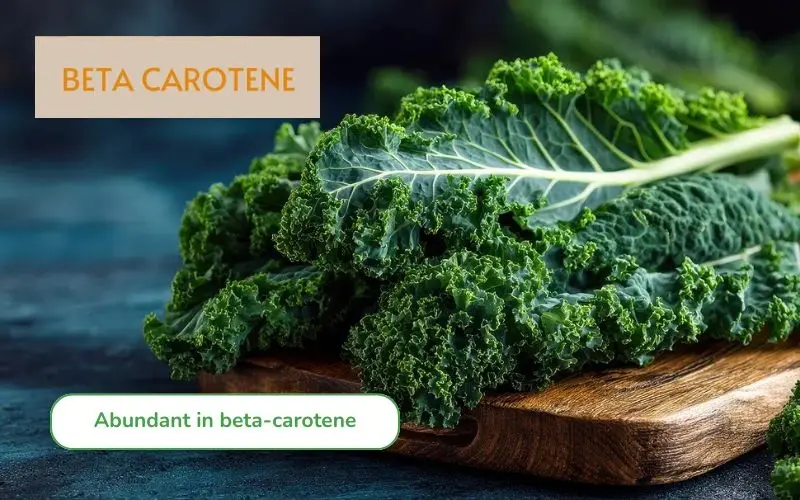
Instead of containing vitamin A directly, kale is rich in beta-carotene. This is a precursor that the body can convert into vitamin A. This nutrient plays a crucial role in protecting the skin, supporting the immune system, and maintaining eye health. Eating kale along with other vitamin A-rich foods will help you ensure you get the necessary amount of vitamin A for your body.
Good for Eye Health
Kale has a high content of lutein and zeaxanthin—two important antioxidants for eye health. These nutrients help protect the retina and reduce the risk of age-related macular degeneration and cataracts. Therefore, maintaining a habit of eating kale will help keep your eyes bright and healthy for a long time.

Supports Weight Loss
Kale is an excellent choice for people on a diet or those who want to manage their weight. This vegetable is low in calories but high in water and fiber, which helps create a feeling of fullness without adding excess energy. Foods with low energy density like kale are often recommended by experts for a scientific weight loss plan.
Additionally, the fiber in kale also aids digestion, helps stabilize blood sugar, and curbs cravings. Although there are no direct studies on kale’s weight loss effects, adding this vegetable to salads, smoothies, or soups will certainly help diversify your menu while still effectively maintaining your figure.

Anti-Inflammatory Properties
Kale provides a mixture of powerful anti-inflammatory compounds such as isothiocyanates, flavonoids, and polyphenols, which help control inflammation in the body. These nutrients not only help reduce inflammation but also boost heart health, protect the brain, and prevent the formation of free radicals. Therefore, kale is considered a beneficial food for maintaining overall health.

Things to Note When Eating Kale
In addition to its beneficial health effects, there are a few things to keep in mind when consuming kale to ensure safety and maximize its nutritional value:
- Kale should not be consumed by people on blood thinners because its high vitamin K content can promote blood clotting. People with kidney stones or thyroid-related diseases should also limit their intake of this vegetable.
- Although it is good for mothers and babies, pregnant women should not eat too much kale. It’s best for pregnant women to consult a doctor for an appropriate dosage.
- Avoid cooking kale at high temperatures for long periods, as it can cause the loss of valuable nutrients.
- It’s best to eat the young leaves, as the older leaves of kale are often tough and have a bitter taste, making the dish less appealing.
- Always wash the vegetable thoroughly before use and prioritize buying kale from reputable sources to ensure quality.
- To increase the health benefits, you can combine kale with other healthy foods like olive oil, avocado, or almonds.

How to Eat Kale
Kale can be prepared in many different ways, which both preserves its nutritional value and makes the dish more appealing:
- Kale Juice: Drinking kale juice helps improve skin, calm the nerves, and lead to deeper sleep. You can combine it with apples, pineapples, or celery to enhance the flavor.
- Kale Salad: Combine kale with your favorite vegetables like avocado, tomatoes, and cucumbers. Then, drizzle with a little olive oil, salt, and pepper for a more flavorful dish.
- Stir-fried Kale: Note that you should not stir-fry the vegetable for too long, just about 5 minutes, so it is cooked through but still crunchy and retains its nutrients.
- Steamed Kale: This is the simplest way to prepare it, preserving almost all of the vegetable’s nutritional value.
- Crispy Roasted Kale Chips: Transform kale into a healthy snack by drizzling a little olive oil, seasoning, and roasting until crispy in the oven.

Conclusion
Kale is one of the most nutritious vegetables with many amazing health benefits. We hope the detailed information shared in this article has helped you understand what kale is good for and how to use it effectively. Also, don’t miss Kamereo’s Food and Lifestyle section to discover more useful information!
See more:
References:
- Health Benefits of Kale
- 5 Ways Kale Benefits Your Health
- Kale: Discover the ‘secret powers’ of this superfood